



Мансабыңыздың бір кезеңінде идеяларыңыздың сапасы жеткіліксіз болады. Лауазым бойынша өсу тек үстелдің артында тыныш қана орындай алмайтын, бөлмеде өз көзқарасын жеткізе алатын адамға беріледі. Клиент ұсыныс құжаты күштірек кеңесшіні емес, сенімділікпен ұсынған кеңесшіні таңдайды. Конференция спикері сөз сөйлегеннен кейін үш рет сұрақ алады. Баяндама жасамаған адамға ешқандай сұрақ қойылмайды.
Бұл әділетсіз емес. Бұл жай ғана көріну қалай жұмыс істейтіні. Ал көпшілік алдында сөйлеу - оған апаратын ең тікелей жол.
Жақсы жаңалық - көпшілік алдында сөйлеу талант емес. Бұл дағды. Көпшілік оны дамытудан бас тартады, себебі ол ыңғайсыз, яғни ерекшелену үшін қажетті талаптар көрінгеннен төмен. Міне, сондықтан ол ыңғайсыздыққа тұрарлық.
Неліктен көпшілік алдында сөйлеу көпшілік ойлағаннан да маңыздырақ
Көптеген мамандар өздерінің қарым-қатынастарының олардың бағытына қаншалықты әсер ететінін бағаламайды. Олар жақсы жұмыс істеу жеткілікті, сапа өзі үшін сөйлейді деп ойлайды. Ол сирек кездеседі. Идеяларды жақтаушылар қажет. Жұмыс көрінуді қажет етеді. Көпшілік алдында сөйлеу - екеуі де осылай болады.
Төменде келтірілген бес себеп абстрактілі артықшылықтар емес. Бұл осы дағдыны дамытудың сізге кәсіби және жеке тұрғыдан қолжетімді нәрсені өзгертуінің нақты, нақты жолдары.
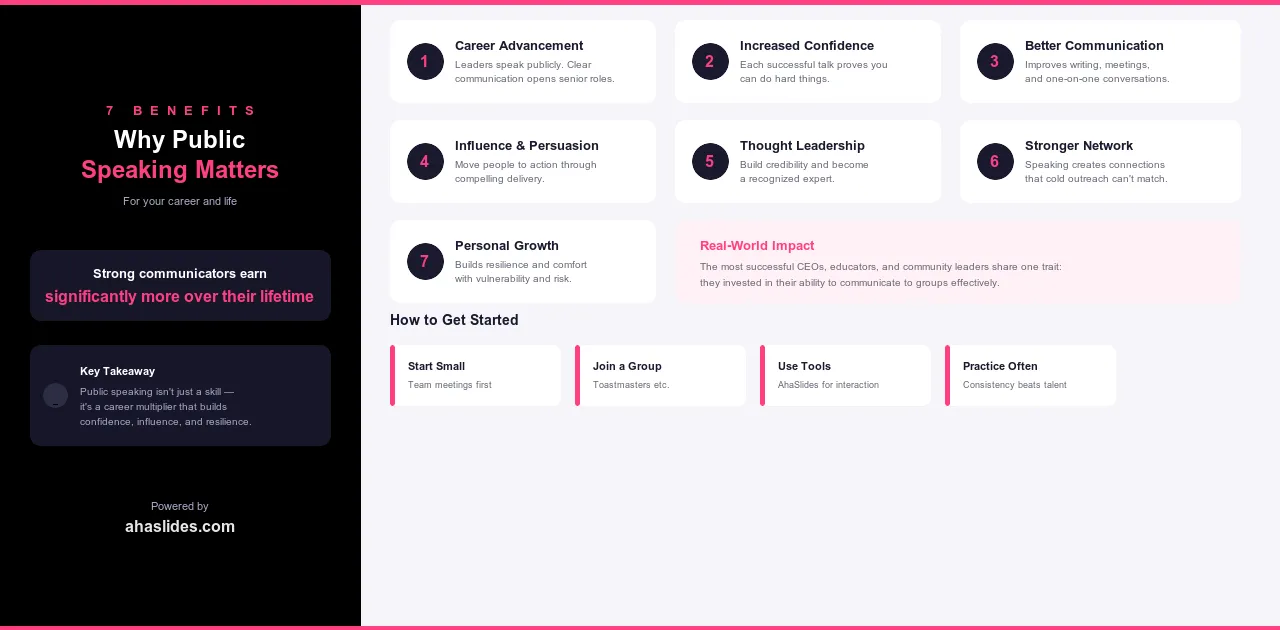
Көпшілік алдында сөйлеудің нақты әлемдегі әсері
Бұл үлгінің іс жүзінде қалай жүзеге асатынын қарастырыңыз. Зерттеуші аймақтық конференцияда баяндама жасайды. Баяндама бөлісіліп, үлкен іс-шарада сөз сөйлеуге шақыруға әкеледі, ал бір жыл ішінде олар кітап келісімшартына қол жеткізіп, олардың сөзін бақылаған адамдардың қызығушылығына негізделген кеңес беру тәжірибесіне ие болады. Негізгі сараптама оған дейін болған, ал көрінушілік болған жоқ.
Кішігірім ауқымда сол динамика үнемі қайталанады. Барлық қатысушыларға баяндама жасауға ерікті топ мүшесі басшылықтың назарына ілеседі. Салалық іс-шарада сөз сөйлейтін кеңесші аудиториядан жаңа клиенттерді тартады. Конференцияда сөз сөйлейтін мұғалім оқу бағдарламасы бастамасына үлес қосуға шақырылады. Көпшілік алдында сөз сөйлеу көрінуді тудырады, ал көріну мүмкіндіктер туғызады.
1. Мансаптық өсу
Ұйымдар идеяларды бөлмелерде ұсына алатын адамдарды ілгерілетеді. Тек ең жақсы идеялары бар және ең еңбекқор адамдар ғана емес, сонымен қатар өздерін көрсете алатын, дәлелдей алатын және басқаларды да тарта алатын адамдар.
Бұл әр деңгейде көрінеді. Басшылыққа нәтижелерді ұсынатын талдаушы сол нәтижелерді электрондық пошта арқылы жіберетін талдаушыдан басқаша есте қалады. Барлық қатысушыларды қызықтыратын компанияны басқаратын менеджер қысқаша мазмұндама жіберетін менеджерден басқаша беделге ие болады. Салалық іс-шарада сөз сөйлейтін басшы лауазымдық сипаттамада ешқашан көрсетілмейтін мүмкіндіктер жасайды.
Көпшілік алдында сөйлеу шеберлігі нақты жұмыспен қатар жүретін жұмсақ дағды емес. Белгілі бір деңгейден жоғары мансаптық өсудің көпшілігі үшін бұл жұмыстың өзі.
2. Сенiмдiлiк және жеке өсу
Басқа адамдардың алдында қиын іс жасап, одан аман қалудан туындайтын сенімділіктің қысқа жолы жоқ. Көпшілік алдында сөйлеу бұл сенімділікті басқа ештеңе жасамайтындай етіп қалыптастырады, себебі тәуекелдер шынайы сезіледі, кері байланыс бірден болады және ыңғайсыздық байқалады.
Әрбір сәтті презентация сіздің не істей алатыныңызға сенетініңізді қайта бағалайды. Бөлменің назарын алғаш рет аударған кезде, бір нәрсе өзгереді. Тек презентация жасау ғана емес, сонымен қатар не істеуге дайын екеніңіз де өзгереді. Аудитория алдында қалыптасқан төзімділік келіссөздерге, қиын әңгімелерге және көпшілік үнсіз қалып, басқа біреудің бірінші болып сөйлеуін үміттенетін жағдайларға ауысады.
Қорқыныш көпшілік адамдардан толықтай жоғалып кетпейді. Бірақ онымен қарым-қатынас өзгереді. Және бұл өзгеріс сіз жасайтын кез келген нақты презентациядан әлдеқайда құнды.
3. Әсер ету және сендіру
Жазу күшті. Жеке әңгіме күшті. Бірақ екеуі де топпен сөйлесу сияқты масштабталмаған. Жиырма адамға презентация жасап, олардың мәселе туралы ойлау тәсілін өзгерткенде, сіз қырық минут ішінде бірнеше күн бойы жеке әңгімелесуге кететін нәрсені жасайсыз.
Міне, осы нәрсе көпшілік алдында сөйлеуді ең жоғары деңгейдегі коммуникациялық дағдыға айналдырады. Бұл тек жеткізу ғана емес. Бұл адамдарды қозғайтын дәлел құруды, қарсылықтар туындамас бұрын оларды алдын ала болжауды, бөлмені оқып, нақты уақыт режимінде бейімделуді үйрену туралы. Бұл дағдылар сізді басқа барлық жағдайларда да сендіреді. Тыңдаушылардың назарын аударуға көмектесетін дәл сол түйсіктер сізге келісімге келуге, келіспеушілікте жеңіске жетуге және команданы белгісіздік арқылы басқаруға көмектеседі.
4. Ойлау көшбасшылығы және сенімділік
Өз салаңыз бойынша көпшілік алдында сөйлеу ешқандай ішкі жұмыспен қайталана алмайтын нәрсені жасайды: бұл сіздің біліміңізді сізді әлі танымайтын адамдарға көрінетін етеді.
Конференциядағы баяндама, вебинар, панельдік баяндама, тіпті салалық іс-шарадағы жақсы ұсынылған презентация сізді тыңдауға тұрарлық адам ретінде көрсетеді. Тыңдаушылар спикерлерді есінде сақтайды. Олар бірдей жақсы идеялары бар, бірақ оларды құжаттарда сақтаған адамды есінде сақтамайды.
Бұл сенімділік арта түседі. Бір баяндама екіншісіне әкеледі. Тыңдаушы клиентке, әріптеске немесе таныстырушыға айналады. Сіз көпшілік алдында бөлісетін идеялар сіздің жұмысыңызға қызығушылық танытқан адамдарды тартады. Бір ғана конференциялық баяндама әсерінің ауқымын толығымен өзгерткенге дейін жылдар бойы шынайы тәжірибе жинақтаған зерттеушілер бар. Білім баяндамадан бұрын болған, ал тыңдаушыларда болған жоқ.
5. Кәсіби желі және мүмкіндік
Сөйлеу іс-шаралары - ең тиімді желілік орталардың бірі. Баяндама жасаған кезде, кейін бөлмені аралаудың қажеті жоқ. Бөлме сізге келеді.
Сіздің айтқаныңызға түсіністікпен қараған аудитория мүшелері сізді іздейді. Баяндамаңызды ұнатқан ұйымдастырушылар сізді қайта шақырады немесе басқа жерге ұсынады. Сіздің қызығушылықтарыңызды бөлісетін басқа спикерлер өздерін таныстырады. Баяндама аясында орнаған байланыстар төсбелгі мен коктейль сағатынан туындаған кез келген нәрсеге қарағанда жылы және нақтырақ болады.
Іс-шаралардан тыс, көпшілік алдында сөйлеу сізді жеке тәжірибеңізге қарағанда оңайырақ етеді. Сіз білетін нәрсені білетін біреуді іздейтін адамдар сіздің тыныш жасаған жұмысыңызды емес, сөзіңізді табады. Көріну мен мүмкіндік көптеген мамандар мойындағысы келетіннен гөрі тығыз байланысты.
Неліктен көптеген адамдар көпшілік алдында сөйлеуді дамытуды елемейді
Ең көп таралған себеп - қорқыныш. Көпшілік алдында сөйлеуден қорқу шынымен де ыңғайсыз, ал жалтару - ең аз қарсылықтың жолы. Көптеген адамдар бас тартудың жолдарын табады: презентацияларды тапсыру, кездесулерде үнсіз қалу, басқа біреудің мінберге шығуына жол беру. Мазасыздық ешқашан шешілмейді, себебі ол ешқашан шешілмеуі керек.
Екінші себеп - жақсы жұмыс өзі үшін сөйлейді деген сенім. Бұл тартымды идея және көбінесе қате. Жұмыс сапасы өте маңызды, бірақ ол тек оны білетін адамдарға ғана мүмкіндік береді. Көпшілік алдында сөйлеу - бұл шеңберді сізбен бірге бөлмеде болған адамдардан тыс кеңейтудің жолы.
Үшіншісі - көпшілік алдында сөйлеу үйренуге болатын дағды емес, табиғи талант деген болжам. Бұл әсіресе қымбатқа түседі, себебі ол адамдарды бұл дағдыдан біржола арылтады. Егер бұл сізде туа біткен немесе туылмаған нәрсе болса, оны сынап көрудің қажеті жоқ. Шындығында, сіз көрген әрбір тартымды спикер сол мақсатқа жету үшін әдейі жаттығу жасаған. Табиғилық - жұмыстың нәтижесі, оны алмастыра алмайды.
Үш сенімнің де әсері бірдей: олар адамдарды жайлы және көрінбейтін етеді. Оларды айналып өтетін мамандар, әдетте, ыңғайсыздықтың бәрінің мәні екенін түсінеді.
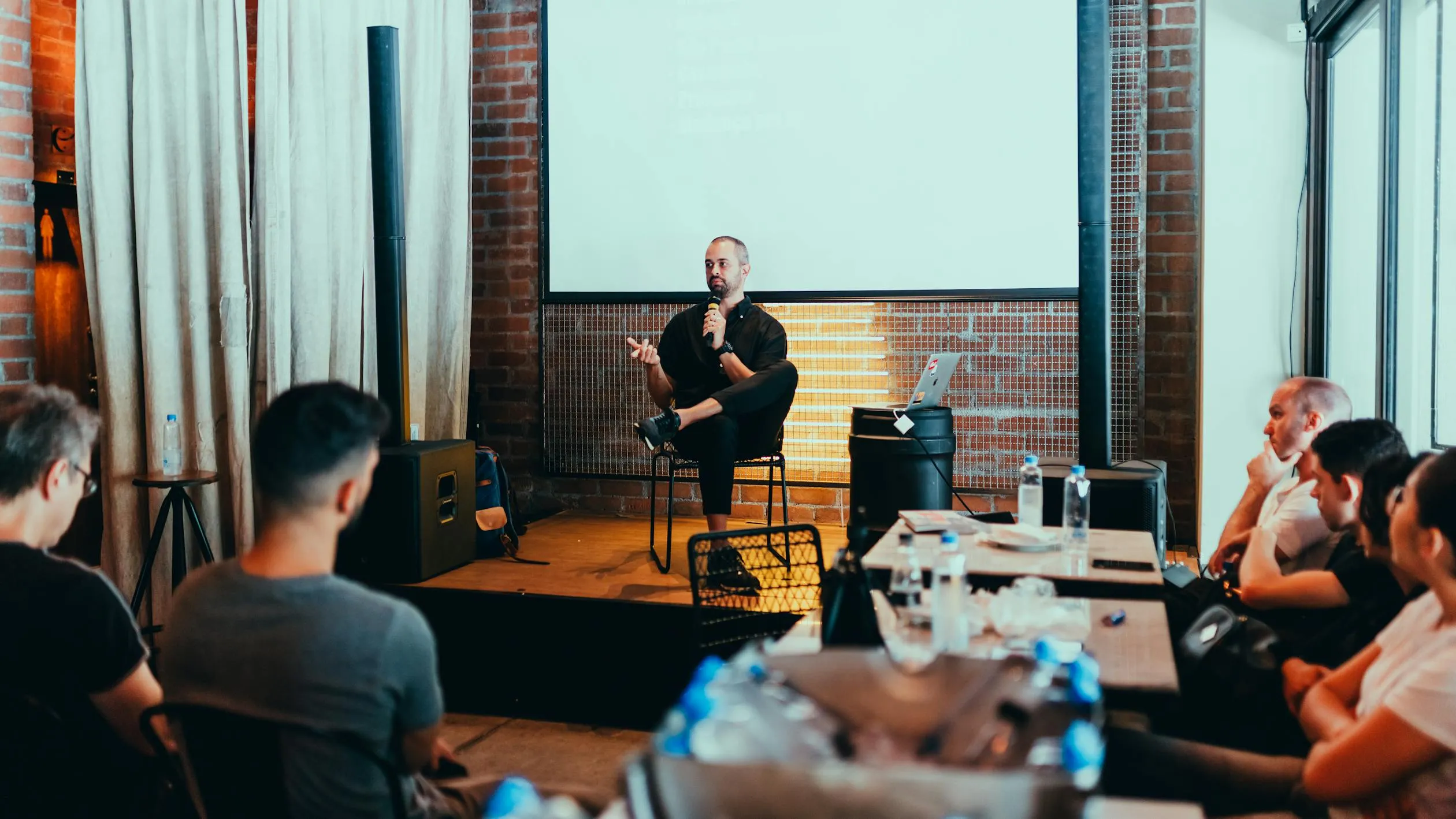
Көпшілік алдында сөйлеуді бастау
Көпшілік алдында сөйлеудің маңыздылығын білу мен оны іс жүзінде дамыту арасындағы алшақтық - көпшіліктің қиындыққа тап болатын жері. Міне, оны қалай жабуға болады.
Қажет деп ойлағаннан кішірек бастаңыз. Команда жиналысында баяндама жасауға, компанияда қысқаша баяндама жасауға немесе жергілікті кәсіби кездесуде сөз сөйлеуге ерікті болыңыз. Негізгі сенімділік аз жағдайда қалыптасады. Тәжірибе бастау үшін үлкен мүмкіндікті күтпеңіз. Кішігірім мүмкіндіктерді жасап болғаннан кейін үлкен мүмкіндіктер оңайырақ болады.
Құрылымдық кері байланысты іздеңіз. Бос жерде жаттығу әдеттерді қалыптастырады, міндетті түрде жақсы емес. Toastmasters сияқты ұйымдар спикерлерге қолдау көрсететін орта мен шынайы кері байланыс беру үшін арнайы құрылған. Сізге не іс жүзінде жұмыс істемейтінін айтатын коуч немесе сенімді әріптес сыртқы қатысусыз жүз презентациядан артық тұрады.
Өзіңізді жазып алыңыз. Алғаш рет ыңғайсыз сезінесіз, бірақ өзіңізді қатысушы ретінде көру - сізде бар екенін білмейтін әдеттерді анықтаудың ең жылдам жолдарының бірі: толықтыратын сөздер, қарқын, өзіңізді жоғалтып алатын сәттер. Көптеген адамдар жазбаны көру кезінде залдағы аудиторияға қарағанда өздеріне қаттырақ қарайды.
Мүмкіндігінше жиірек баяндама жасаңыз. Бұл дағды қайталау арқылы тек дайындық арқылы ғана қайталана алмайтындай етіп дамиды. Әрбір презентация, қалай өтсе де, келесі презентация сізге пайда әкелетін нәрсені үйретеді.
AhaSlides көмегімен оны одан әрі дамыту
Көпшілік алдында сөйлеуді маңызды ететін нәрселердің бірі - бір жақты динамика. Сіз сөйлейсіз. Олар тыңдайды. Оның қалай жүзеге асатыны туралы кез келген сигнал бет-әлпет қимылдары мен анда-санда бас изеуден келеді, бұл онша маңызды емес.
Интерактивті құралдар бұл динамиканы өзгертеді. Тікелей сауалнамалар, сөз бұлттары және сұрақ-жауап мүмкіндіктері презентацияны екі жақты әңгімеге айналдырады, ол бір уақытта екі нәрсені орындайды: аудиторияңызды қызықтырады және айтып жатқаныңыздың мақсатқа жетуі туралы нақты уақыт режимінде кері байланыс береді. Бөлменің сізбен бірге екенін білу - баяндамашы үшін қолжетімді ең сенімді сенімділік факторларының бірі.
Көпшілік алдында сөйлеу дағдыларын дамытатын кез келген адам үшін бұл кері байланыс циклі шынымен де құнды. Сіз аудиторияңыздың сізді қадағалап жатқанын болжауды тоқтатып, біле бастайсыз. AhaSlides дәл осыған негізделген: баяндамашыларға аудиториямен тек соңында ғана емес, сонымен қатар бейімделуге тым кеш болған кезде де байланыста болуға мүмкіндік беретін құралдарды ұсынады.
Орау
Көпшілік алдында сөйлеуді дамыту ыңғайсыз, ал болдырмау ыңғайсыз. Айырмашылығы - бір ыңғайсыздық сенімділікке, мүмкіндікке және әсерге ұласады. Екіншісі есіктерді жай ғана жабады.
Табиғи харизматикалық болудың қажеті жоқ. Сізге үлкен сахна немесе мінсіз сөз қажет емес. Сіз кішкентай жерден бастап, оны үнемі жасап, ненің тиімді, ненің тиімсіз екенін ашық айтуыңыз керек.
Бұл дағдыға инвестиция салатын мамандар өткенге қарап, ертерек бастағанда ғой деп армандайды. Ал бастағандары неге белгілі бір мүмкіндіктер басқа адамдарға беріліп кететініне таң қалады.
Бір жерден бастаңыз. Қалғаны кейін болады.