

Picture a typical lesson. You spend most of the period explaining a new idea, then send everyone home to practice it alone. The hardest part, actually applying the idea, happens exactly when no expert is around to help.
The flipped classroom swaps those two halves. Learners meet new content on their own time, then use class time for the hard part, with you in the room. We build tools for interactive sessions, so we see a lot of flipped lessons up close, and the ones that work have one thing in common: they treat class time as precious and plan every minute of it.
Below you'll find seven flipped classroom examples and models, what the research actually says, and a simple plan to flip your first lesson without rebuilding your whole course.
What is a flipped classroom?
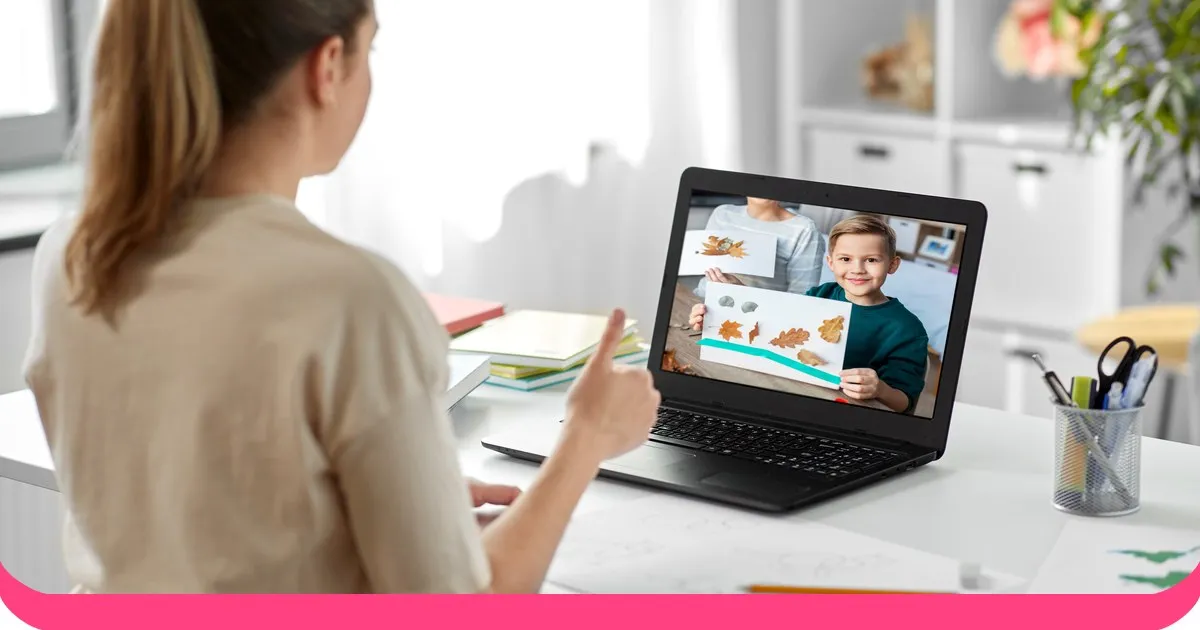
A flipped classroom is a blended learning approach where direct instruction moves out of the group space and into the individual space. Learners watch a short video, read a text, or work through a mini lesson before class. Class time then becomes active: discussion, problem-solving, practice and feedback, with the teacher coaching instead of lecturing.
That definition comes from the Flipped Learning Network, and it contains the detail most people miss. Flipping isn't about sending videos home. It's about what you do with the class time you get back.
Where the flipped classroom came from
The idea is older than the name. In 2000, economics professors Maureen Lage, Glenn Platt and Michael Treglia described an "inverted classroom," where students read and watched lectures before class and spent class time on activities. Harvard physicist Eric Mazur's peer instruction, developed in the 1990s, pushed in the same direction.
The name took off thanks to Jonathan Bergmann and Aaron Sams, two chemistry teachers at Woodland Park High School in Colorado. Around 2007 they began recording lessons for students who missed class, and found the videos freed up class time for hands-on work. Their 2012 book, Flip Your Classroom, took the model mainstream.
The four pillars of flipped learning
In 2014 the Flipped Learning Network set out four pillars that spell F-L-I-P. They make a handy checklist for any flipped lesson.
- Flexible environment. Learners choose when and where they do the pre-work, and the classroom is set up for both group work and independent practice.
- Learning culture. Class time goes deep on topics, and learners actively build their understanding instead of sitting as an audience.
- Intentional content. The teacher decides what to teach directly through pre-work and what learners should work out through activities in class.
- Professional educator. The teacher observes, gives feedback in the moment, assesses as they go and reflects on what to improve. Flipping asks more of the educator, not less.
Does flipping work?
Mostly yes, with an important catch.
A 2019 meta-analysis of 114 studies, led by David van Alten at Utrecht University, found a small but real boost in learning. In plain terms, about 64% of students in flipped classes outperformed the average student in a traditional class (Hechingera ziņojums). A larger 2021 review in Izglītības pētījumu apskats, covering roughly 317 studies and more than 51,000 college students, also found better learning in flipped sections, along with gains in engagement, confidence and satisfaction (Mācību zinātnieki).
The catch is in the design. Van Alten's team found that flips which cut face-to-face time hurt learning, while adding quizzes, either inside the pre-class video or at the start of class, helped. A long recorded lecture dumped online isn't a flip. Short pre-work plus a well-planned, active class is.
Izņemšanas vieta: keep your class time, keep the pre-work short and check understanding early.
7 apgrieztās klases piemēri un modeļi
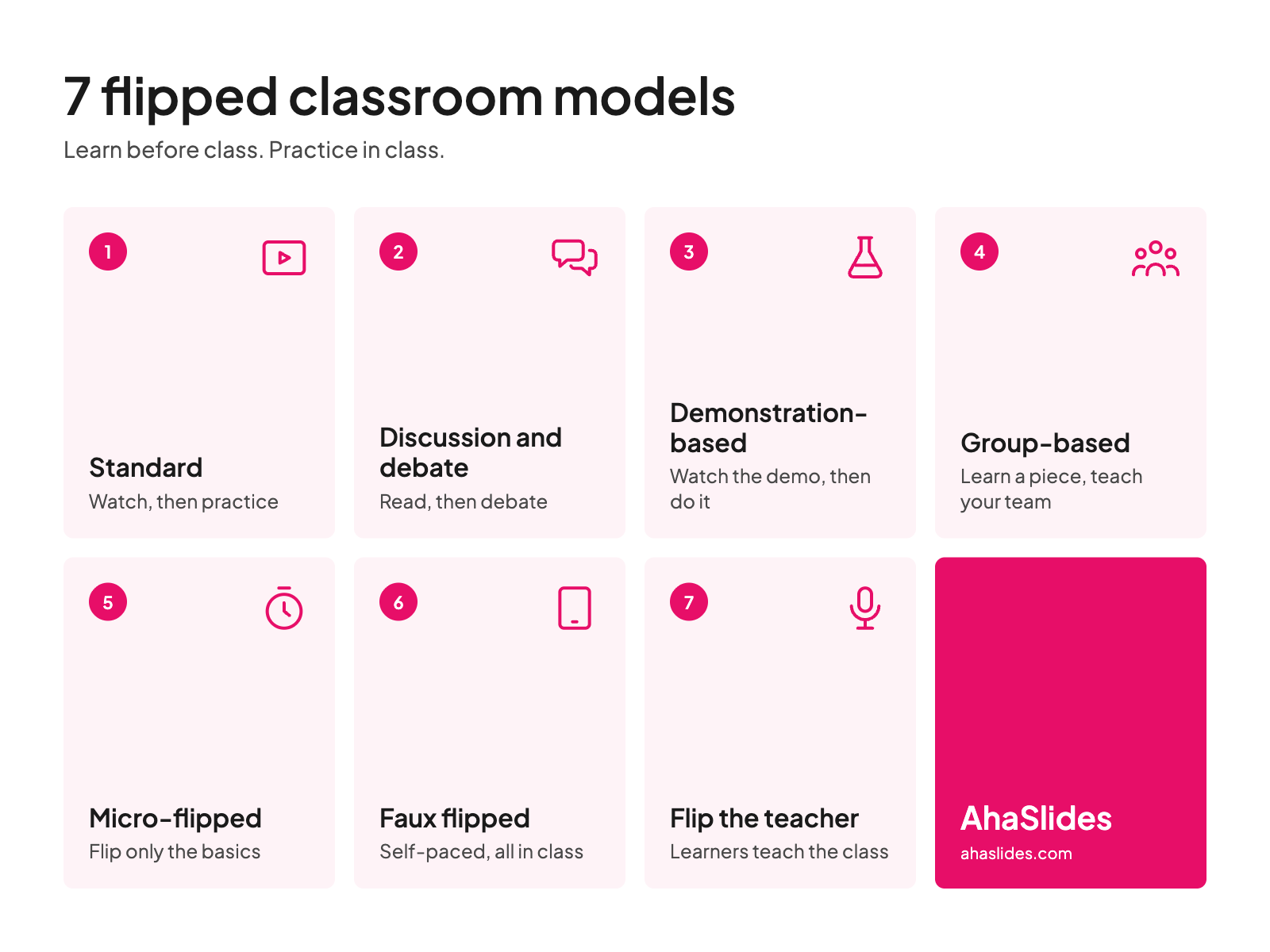
There's no single right way to flip. Here are seven models, each with how a session runs and an example you can borrow for a classroom or a training room.
1. Standard flipped classroom
The classic model. Learners watch a short video or read a text before class, and the session goes to practice while you circulate, answer questions and give one-on-one help.
How a session runs: open with a quick check on the pre-work, clear up the most common misconception in a short explanation, then move into practice problems or tasks.
Piemērs: a high school math teacher assigns a short video on solving linear equations. Class opens with a live quiz, the results show half the room is stuck on negative numbers, so she reteaches that one step before practice begins.
Labākais: skill-building subjects with lots of practice, such as math, languages and software training.
2. Discussion and debate flipped classroom
Learners arrive with background knowledge and different viewpoints, and the session is built around structured discussion or a formal debate.
How a session runs: the pre-work presents two or three perspectives on an issue. In class, learners vote on where they stand, argue it out in small groups or teams, then vote again to see who changed their mind.
Piemērs: a history class reads two short accounts of the same event, then debates which source is more reliable. In a workplace version, managers review a case study on a remote work policy and debate the trade-offs.
Labākais: history, literature, ethics, social studies and leadership training, anywhere there's more than one defensible answer.
3. Demonstration-based flipped classroom
The pre-work is a recorded demonstration that learners can pause and replay as often as they need. Class time is for doing it themselves while you supervise.
How a session runs: learners watch a screen recording or lab demo beforehand, then carry out the procedure in class while you watch for errors and coach.
Piemērs: a chemistry teacher records a titration demo, so lab time goes to running the experiment instead of watching it. A software trainer records a walkthrough of a new CRM feature, then uses the session for hands-on practice.
Labākais: science labs, technical skills, software rollouts and anything procedural.
4. Group-based flipped classroom
Learners study material before class, then work in small teams on a shared task. Explaining ideas to peers is the point, because few things test your understanding like having to teach it.
How a session runs: try a jigsaw. Each group member masters one subtopic beforehand, teaches it to their group, and the group combines the pieces to solve a problem.
Piemērs: in a biology unit on body systems, each learner covers one system, then groups diagnose a fictional patient together. In onboarding, new hires each study one department and explain to the group how it connects to the others.
Labākais: complex topics with several moving parts, and building teamwork.
5. Micro-flipped classroom
A partial flip. You flip part of the content and keep short bursts of direct teaching in class.
How a session runs: a short pre-class video covers the basics, a brief in-class explanation tackles the hardest idea, and the rest of the session is active practice.
Piemērs: a physics teacher flips the vocabulary and basic formulas of a unit but still teaches the trickiest derivation live, with questions throughout.
Labākais: your first flip, complex theory and learners new to self-directed study. It also matches the research: in more than half of the flipped classes van Alten's team studied, teachers still gave short explanations when the room got stuck.
6. Faux flipped classroom
The "homework" happens in class. Learners watch the video or work through the lesson during the session at their own pace, while you move between them giving support.
How a session runs: the first part of the session is self-paced content on devices with headphones, the second part is practice, with you helping whoever is stuck.
Piemērs: a fourth-grade class watches a short video on fractions on classroom tablets, then sorts fraction cards in pairs.
Labākais: younger learners, groups with limited internet access at home and learners who struggle to finish homework. It removes the biggest weakness of flipping: pre-work that never gets done.
7. Flip the teacher
Learners create the content. They research a topic and produce a short video, presentation or demo, then teach it to the class while you act as guide and quality check.
How a session runs: each team presents its piece, the audience answers a few questions the presenters wrote, and you fill gaps and correct errors.
Piemērs: an economics class splits a chapter into topics and each pair records a two-minute explainer. In a company, subject experts record short tips for colleagues, which grow into a reusable library.
Labākais: high school, university and experienced professionals who can handle more independence.
The seven models at a glance
ModelBefore classDuring classBest forStandardShort video or readingPractice with one-on-one helpMath, languages, software skillsDiscussion and debateSeveral perspectives on an issueStructured discussion or debateHumanities, leadership trainingDemonstration-basedRecorded demo or screencastHands-on practice under supervisionLabs, technical and software trainingGroup-basedIndividual study of a subtopicTeam task or jigsawComplex, multi-part topicsMicro-flippedShort intro to the basicsBrief teaching plus practiceFirst-time flippers, hard theoryFaux flippedNothingSelf-paced content, then practiceYoung learners, limited home accessFlip the teacherLearners create contentLearners teach, teacher guidesOlder students, professionals
How to flip your first lesson in 5 steps
1. Pick one lesson, not a whole course
Choose a lesson where learners usually struggle with the practice, because that's where moving practice into class pays off most. If you're nervous, start micro-flipped.
2. Keep the pre-work short and specific
One concept, one short video or reading, one clear goal. Record it yourself if you can, since your learners know your voice and your examples. Overly long recorded lectures are one of the most common reasons flips fail.
If you want the pre-work to feel more like a lesson than a homework video, an tiešsaistes kursu veidotājs like AhaSlides turns an existing deck or PDF into a short self-paced lesson with flashcards, interactive slides and auto-graded knowledge checks. You can then see who finished it and where learners dropped off. For video, tools like edpuzzle let you embed questions inside any clip.
3. Check understanding at the start of class
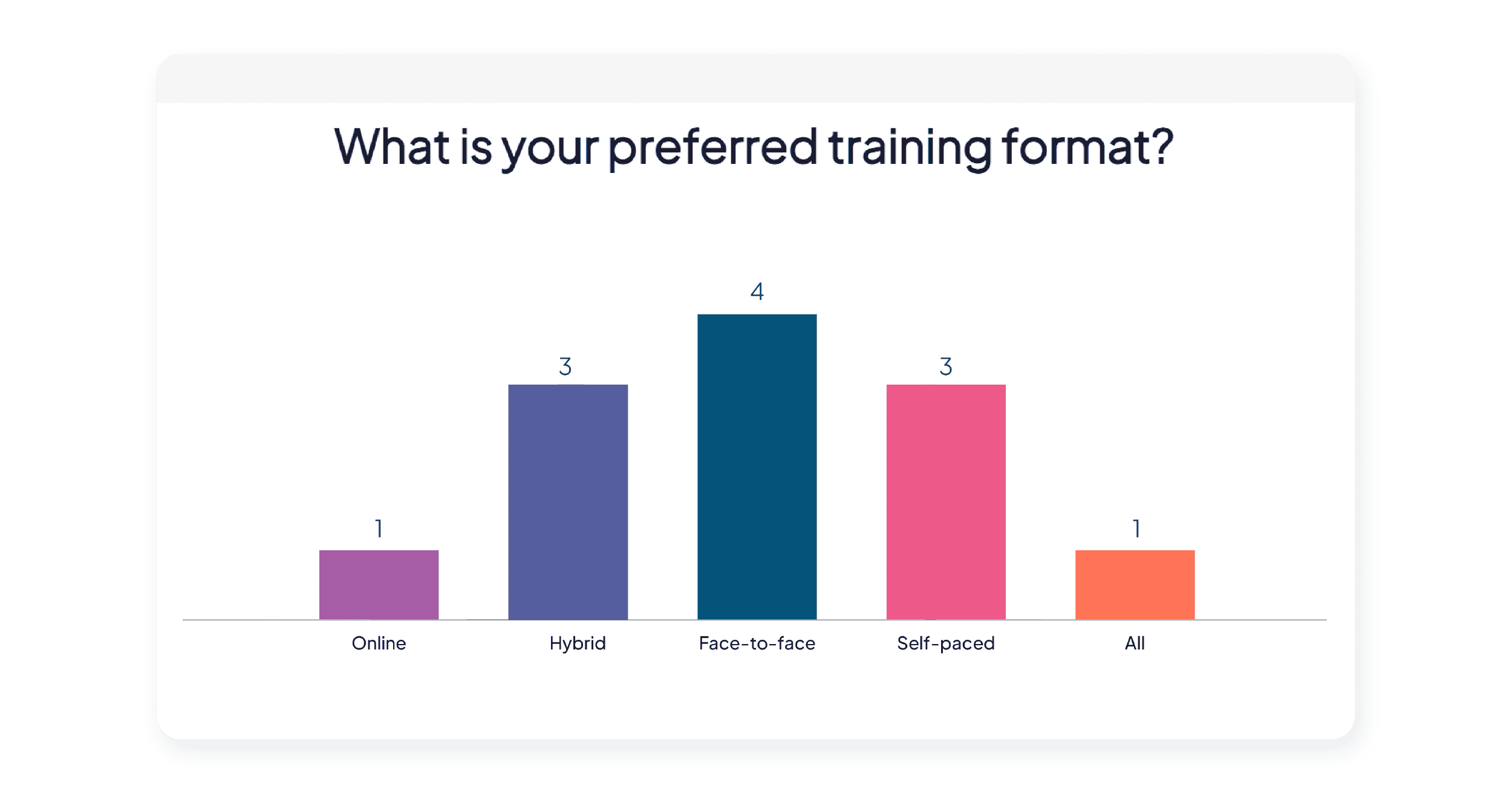
Open with a quick quiz or poll on the pre-work. It shows you who did it, it makes everyone recall what they learned (retrieval practice, one of the best-supported study strategies in cognitive science), and it tells you where to spend the next few minutes. With a viktorīna tiešraidē in AhaSlides, learners join on their phones with a QR code, with no app or account needed, and results appear on screen instantly.
4. Plan class time like it's the main event
Because it is. Pick one of the seven models above and plan the session minute by minute: the check-in, the short clarification, the practice or discussion, and a wrap-up. Keep an extension task ready for fast finishers.
5. Ask for feedback and adjust
After two or three flipped lessons, ask learners what helped and what didn't. An anonymous poll works well, or a shared board like airis (its free plan is capped at three padlets, so reuse one board per class). Keep what works and cut the rest.
Common flipped classroom problems and how to fix them
- Learners skip the pre-work. Keep it short, make it count with a start-of-class quiz and design the session so it's hard to follow without it. If a group keeps struggling, switch to the faux flipped model for a while.
- Not everyone has internet at home. Offer downloadable files or printed notes, open up library or lunchtime access, or run that unit as faux flipped.
- Making videos takes forever. Reuse good existing videos, keep yours short and unpolished, and let AI draft lesson outlines or quiz questions from material you already have.
- Class slides back into a lecture. Set yourself a rule: only explain what the start-of-class check shows the room is stuck on.
- Learners resist the change. Explain why you're flipping and what's in it for them: more help when they need it, and less homework they can't do alone.
Flipped learning works in training rooms too
Flipping isn't just for schools. Corporate trainers use the same logic: send product knowledge, policy updates or compliance basics as short self-paced lessons, then spend the workshop on role-plays, case studies and questions. Employees get through the background material at their own pace, and the expensive time in the room goes to the practice that actually changes how people work.
The toolkit is the same, too. A self-paced course carries the pre-work, while live polls, quizzes and Q&A keep the session itself interactive, including for remote and hybrid teams. Want to try it on your next lesson or workshop? Sign up for AhaSlides free and build your start-of-class quiz in a few minutes.
Biežāk uzdotie jautājumi
What is an example of a flipped classroom?
A science teacher assigns a short video on photosynthesis as homework, then uses class time for a lab and a quick quiz instead of a lecture. Students meet the content at home and apply it in class, with the teacher there to help.
What are the disadvantages of a flipped classroom?
The main ones are learners who skip the pre-work, unequal internet access at home and extra prep time for teachers, especially in the first year. Short pre-work, a start-of-class check and the faux flipped model address most of them.
Is flipped learning the same as blended learning?
Flipped learning is one type of blended learning. Blended learning is any mix of online and face-to-face instruction, while flipping specifically moves direct instruction before class and practice into class.
How long should flipped classroom videos be?
Shorter than you think. Aim for one concept per video, and if a topic needs more time, split it into several short clips with a question or two in between.
Can you flip a class for young children?
Yes, usually with the faux flipped model, where the self-paced part happens in class with the teacher nearby. That avoids relying on homework and home devices.