
Istraživanja pokazuju da timovi koji koriste metode strukturiranog brainstorminga generirajte do 50% više kreativnih rješenja nego nestrukturirani pristupi. Ovaj vodič sintetizira desetljeća istraživanja inovacija i praktičnog iskustva u jedan koristan resurs koji će pomoći vašem timu da učinkovito razmjenjuje ideje.
Pregled sadržaja
Što je Brainstorming?
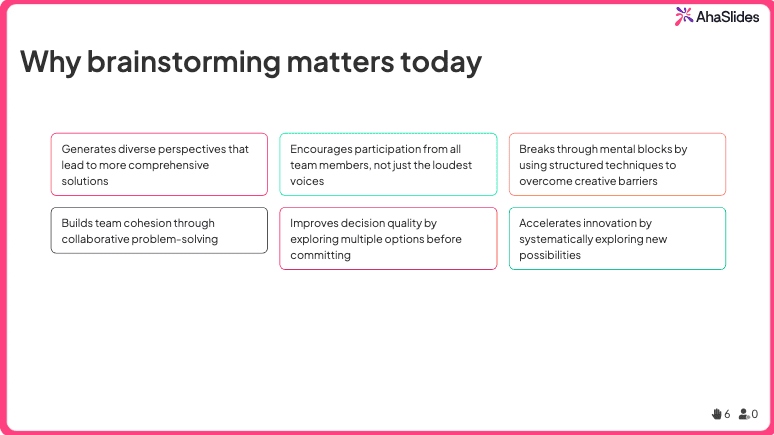
Brainstorming je strukturirani kreativni proces generiranja više ideja ili rješenja za određeni problem. Prvi put ga je predstavio direktor oglašavanja Alex Osborn 1948. godine, a potiče slobodno razmišljanje, odgađa prosuđivanje tijekom generiranja ideja i stvara okruženje u kojem se mogu pojaviti nekonvencionalne ideje.
Osborn je razvio brainstorming dok je vodio BBDO (Batten, Barton, Durstine & Osborn), jednu od najvećih američkih reklamnih agencija, u razdoblju kada se tvrtka borila s financijskim poteškoćama. Primijetio je da tradicionalni poslovni sastanci guše kreativnost, a zaposlenici zadržavaju ideje iz straha od neposredne kritike. Njegovo rješenje postalo je ono što danas poznajemo kao brainstorming, izvorno nazvan "thinking up" (razmišljanje).
Kada koristiti brainstorming
Brainstorming najbolje funkcionira za:
Poslovne aplikacije:
- Razvoj i inovacija proizvoda
- Ideja za marketinšku kampanju
- Radionice rješavanja problema
- Sesije strateškog planiranja
- Inicijative za poboljšanje procesa
- Poboljšanje korisničkog iskustva
Obrazovne postavke:
- Priprema za pisanje eseja i početak učenja temeljenog na projektima (PBL)
- Aktivnosti suradničkog učenja
- Vježbe kreativnog pisanja
- Projekti znanstvenih sajmova
- Grupne prezentacije
- Izrada plana lekcije
Osobni projekti:
- Planiranje događaja
- Kreativni pothvati (umjetnost, pisanje, glazba)
- Odluke o razvoju karijere
- Postavljanje osobnih ciljeva
Kada NE koristiti brainstorming
Brainstorming nije uvijek rješenje. Preskočite brainstorming kada:
- Odluke zahtijevaju duboku tehničku stručnost iz jedne domene
- Vremenska ograničenja su prestroga (dostupno je < 15 minuta)
- Problem ima jedan, poznati točan odgovor
- Individualna refleksija bi bila produktivnija
- Dinamika tima je ozbiljno disfunkcionalna
Znanost koja stoji iza učinkovitog brainstorminga
Razumijevanje psihologije i istraživanja koja stoje iza brainstorminga pomaže vam da izbjegnete uobičajene zamke i strukturirate učinkovitije sesije.
Što nam istraživanje govori
Blokiranje proizvodnje
Istraživanje Michael Diehl i Wolfgang Stroebe (1987.) identificirali su "blokiranje produkcije" kao glavni izazov u grupnom brainstormingu. Kada jedna osoba govori, druge moraju čekati, zbog čega zaboravljaju svoje ideje ili gube zamah. Ovo istraživanje dovelo je do razvoja tehnika poput brainwritinga, gdje svi istovremeno doprinose.
Psihološka sigurnost
Istraživanje Amy Edmondson na Harvardu pokazuje da psihološka sigurnost— uvjerenje da nećete biti kažnjeni ili poniženi zbog progovaranja — najvažniji je čimbenik učinkovitosti tima. Timovi s visokom psihološkom sigurnošću generiraju kreativnije ideje i preuzimaju proračunatije rizike.
Studija Harvard Business Reviewa otkrila je da su timovi koji su dijelili neugodne priče prije brainstorminga generirali 26% više ideja koje obuhvaćaju 15% više kategorija nego kontrolne skupine. Ta ranjivost stvorila je atmosferu u kojoj je osuđivanje bilo suzdržano, što je dovelo do većeg kreativnog učinka.
Kognitivna raznolikost
Istraživanje iz MIT-ovog Centra za kolektivnu inteligenciju otkrili su da timovi s različitim stilovima razmišljanja i porijeklom dosljedno nadmašuju homogene skupine u kreativnom rješavanju problema. Ključ nije samo demografska raznolikost, već kognitivna raznolikost u načinu na koji članovi tima pristupaju problemima.
Učinak sidrenja
Rane ideje u sesijama brainstorminga imaju tendenciju usidravanja sljedećih ideja, ograničavajući kreativni raspon. Tehnike poput mapiranja uma i SCAMPER-a posebno se bore protiv toga prisiljavajući sudionike da istraže više smjerova od samog početka.
Uobičajene zamke brainstorminga
Grupno razmišljanje
Tendencija grupa da traže konsenzus na štetu kritičke evaluacije. Borite se protiv toga poticanjem "zagovornika đavola" i izričitim prihvaćanjem drugačijih mišljenja.
Društveno lutanje
Kada pojedinci u grupama doprinose manje nego što bi to činili sami. Riješite to kroz individualnu odgovornost, na primjer, da svi predaju ideje prije grupne rasprave.
Strah od evaluacije
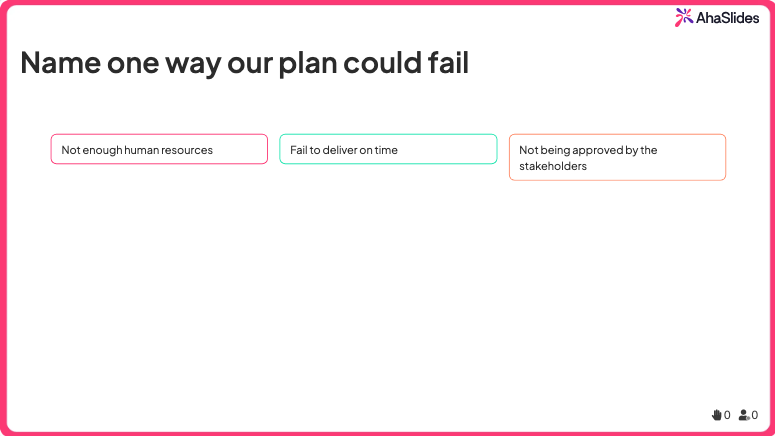
Strah od negativne evaluacije uzrokuje da ljudi samocenzuriraju kreativne ideje. Alati za anonimno slanje ideja poput AhaSlidesa rješavaju to uklanjanjem atribucije tijekom generiranja ideja.
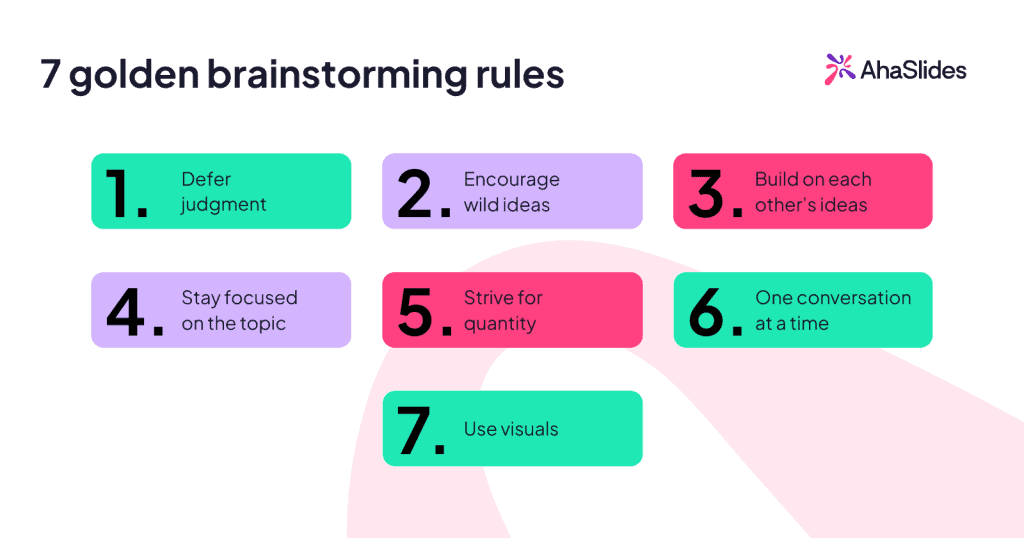
7 bitnih pravila brainstorminga
Ovi temeljni principi, usavršeni iz izvornog okvira Alexa Osborna i potvrđeni desetljećima prakse u IDEO-u, d.school-u i vodećim organizacijama diljem svijeta, čine temelj učinkovitog brainstorminga.
Pravilo 1: Odgoditi presudu
Što to znači: Odgodite sve kritike i evaluacije tijekom generiranja ideja. Nijedna ideja ne smije se odbaciti, kritizirati ili evaluirati dok se ne završi sesija brainstorminga.
Zašto je to važno: Osuđivanje ubija kreativnost prije nego što ona može procvjetati. Kada se sudionici boje kritike, oni se samocenzuriraju i zadržavaju potencijalno revolucionarne ideje. Najbolje inovacije često u početku zvuče smiješno.
Kako implementirati:
- Jasno navedite ovo pravilo na početku sesije
- Pažljivo preusmjerite sve evaluativne komentare na kasniju raspravu
- Budite primjer neosuđivanja kao posrednik
- Razmislite o zabrani fraza poput "To neće uspjeti jer..." ili "To smo već pokušali"
- Koristite "parkiralište" za ideje koje zahtijevaju hitnu raspravu
Pravilo 2: Potaknite lude ideje
Što to znači: Aktivno pozdravljajte nekonvencionalne, naizgled nepraktične ili "nekonvencionalne" ideje bez neposredne brige o izvedivosti.
Zašto je to važno: Divlje ideje često sadrže sjeme revolucionarnih rješenja. Čak i nepraktične ideje mogu inspirirati praktične inovacije kada se dorade. Poticanje divljeg razmišljanja gura grupu dalje od očitih rješenja.
Kako implementirati:
- Izričito pozovite na "nemogućite" ili "lude" ideje
- Proslavite najnekonvencionalnije prijedloge
- Postavljajte poticajna pitanja poput "Što ako novac nije problem?" ili "Što bismo učinili kad bismo mogli prekršiti bilo koje pravilo?"
- Jedan dio svoje brainstorming kampanje rezervirajte posebno za "džoker" ideje.
Pravilo 3: Gradite na međusobnim idejama
Što to znači: Slušajte doprinose drugih i proširite ih, kombinirajte ili modificirajte kako biste stvorili nove mogućnosti.
Zašto je to važno: Suradnja umnožava kreativnost. Nedovršena misao jedne osobe postaje revolucionarno rješenje druge osobe. Izgradnja ideja stvara sinergiju gdje cjelina premašuje zbroj dijelova.
Kako implementirati:
- Prikažite sve ideje vidljivo kako bi ih svi mogli koristiti
- Redovito pitajte "Kako možemo graditi na ovome?"
- Koristite "Da, i..." umjesto "Da, ali..."
- Potaknite sudionike da kombiniraju više ideja
- Odajte priznanje i izvornim suradnicima i onima koji nadograđuju ideje
Pravilo 4: Ostanite usredotočeni na temu
Što to znači: Osigurajte da ideje ostanu relevantne za određeni problem ili izazov koji se rješava, a istovremeno omogućite kreativno istraživanje unutar tih granica.
Zašto je to važno: Fokus sprječava gubitak vremena i osigurava produktivne sesije. Iako se potiče kreativnost, održavanje relevantnosti osigurava da ideje mogu doista riješiti problem.
Kako implementirati:
- Problem ili pitanje napišite na vidljivo mjesto gdje ga svi mogu vidjeti
- Lagano preusmjeravanje kada ideje previše skrenu s teme
- Koristite "parkiralište" za zanimljive, ali sporedne ideje
- Povremeno ponavljajte ključni izazov
- Ravnoteža fokusa s fleksibilnošću
Pravilo 5: Težite količini
Što to znači: Generirajte što više ideja bez brige o kvaliteti ili izvedivosti tijekom početne faze.
Zašto je to važno: Istraživanja dosljedno pokazuju da kvantiteta vodi do kvalitete. Prve ideje su obično očite. Revolucionarna rješenja obično se pojavljuju nakon iscrpljivanja konvencionalnog razmišljanja. Više opcija pruža veće šanse za pronalaženje iznimnih rješenja.
Kako implementirati:
- Postavite specifične kvantitativne ciljeve (npr. "50 ideja u 20 minuta")
- Koristite tajmere za stvaranje hitnosti
- Potaknite brzo generiranje ideja
- Podsjetite sudionike da je svaka ideja važna
- Vidljivo pratite broj ideja kako biste povećali zamah
Pravilo 6: Jedan razgovor u isto vrijeme
Što to znači: Održavajte fokus tako da samo jedna osoba govori istovremeno, osiguravajući da svi mogu čuti i razmotriti svaku ideju.
Zašto je to važno: Razgovori s drugima stvaraju buku koja prigušuje dobre ideje. Kada ljudi obavljaju više zadataka istovremeno, između slušanja i pričanja, propuštaju prilike da nadograde doprinose drugih.
Kako implementirati:
- Utvrdite jasne protokole naizmjeničnog izvođenja
- Koristite kružni sustav ili sustav podignute ruke
- U virtualnim sesijama koristite chat za bilješke, a usmeni govor za glavne ideje.
- Sporedne razgovore održavajte za vrijeme pauza
- Lagano preusmjeravanje kada se pojavi više razgovora
Pravilo 7: Koristite vizualne elemente
Što to znači: Iskoristite vizualnu komunikaciju, skice, dijagrame i slike kako biste učinkovitije izrazili i razvili ideje nego samo riječi.
Zašto je to važno: Vizualno razmišljanje angažira različite dijelove mozga, pokrećući nove veze i ideje. Jednostavni vizualni elementi komuniciraju složene koncepte brže od teksta. Čak ni figurice štapića ne mogu nadmašiti nikakve vizualne elemente.
Kako implementirati:
- Osigurajte markere, ljepljive papiriće i veliki papir ili bijele ploče
- Potaknite skiciranje, čak i za one koji "ne znaju crtati"
- Koristite vizualne okvire (mentalne mape, matrice, dijagrame)
- Zabilježite ideje i riječima i slikama
- Iskoristite digitalne alate poput AhaSlidesa generator živih oblaka riječi vizualizirati teme koje se pojavljuju
Kako se pripremiti za brainstorming sesiju
Uspješno brainstorming započinje prije nego što sudionici uđu u prostoriju. Pravilna priprema dramatično poboljšava kvalitetu i ishode sesije.
1. korak: jasno definirajte problem
Kvaliteta rezultata vaše brainstorming diskusije uvelike ovisi o tome koliko dobro definirate problem. Uložite vrijeme u izradu jasne i specifične izjave o problemu.
Najbolje prakse za oblikovanje problema:
Budite konkretni, a ne nejasni:
- Umjesto: "Kako možemo povećati prodaju?"
- Pokušajte: "Kako možemo povećati online prodaju milenijalcima u urbanim područjima za 20% u drugom kvartalu?"
Usredotočite se na rezultate, a ne na rješenja:
- Umjesto: "Trebamo li napraviti mobilnu aplikaciju?"
- Pokušajte: "Kako možemo učiniti našu uslugu pristupačnijom korisnicima u pokretu?"
Koristite pitanja "Kako bismo mogli": Ovaj okvir dizajnerskog razmišljanja otvara mogućnosti uz zadržavanje fokusa.
- "Kako bismo mogli smanjiti vrijeme čekanja na korisničku podršku?"
- "Kako bismo mogli učiniti učenje zanimljivijim za učenike petog razreda?"
- "Kako bismo mogli pomoći novim zaposlenicima da se osjećaju povezanima s kulturom tvrtke?"
Razmotrite korisničke priče: Izazovi uokviravanja iz perspektive korisnika:
- "Kao [tip korisnika], želim [cilj], jer [razlog]"
- "Kao zauzet roditelj, želim brze i zdrave obroke jer imam ograničeno vrijeme nakon posla."
Korak 2: Odaberite prave sudionike
Optimalna veličina grupe: 5-12 ljudi
Premalo ih ograničava perspektive; previše ih stvara blokiranje proizvodnje i probleme koordinacije.
Raznolikost je važna:
- Kognitivna raznolikost: Uključite različite stilove razmišljanja i pristupe rješavanju problema
- Raznolikost domena: Pomiješajte stručnjake za predmetnu materiju s "vanjskim" perspektivama
- Hijerarhijska raznolikost: Uključite različite organizacijske razine (ali pažljivo upravljajte dinamikom moći)
- Demografska raznolikost: Različita porijekla donose različite uvide
Koga uključiti:
- Ljudi na koje problem izravno utječe
- Stručnjaci za predmetnu materiju s relevantnim znanjem
- Kreativni mislioci koji dovode u pitanje pretpostavke
- Dionici implementacije koji će izvršavati rješenja
- "Autsajderi" sa svježim perspektivama
Koga isključiti (ili selektivno pozvati):
- Ekstremni skeptici koji stalno odbacuju ideje
- Oni koji imaju moć prerano ugasiti ideje
- Ljudi koji su van problema i koji će poremetiti fokus
Korak 3: Odaberite pravo okruženje
Fizičko okruženje (uživo):
- Veliki otvoreni prostor s pokretnim namještajem
- Obilje prostora na zidu za objavljivanje ideja
- Dobro osvjetljenje i ugodna temperatura
- Minimalne distrakcije i prekidi
- Pristup materijalima (ljepljivi papirići, markeri, bijele ploče)
Virtualno okruženje:
- Pouzdana platforma za video konferencije
- Digitalna bijela ploča ili alat za suradnju (Miro, Mural, AhaSlides)
- Rezervna metoda komunikacije
- Tehnička provjera prije sesije
- Jasna osnovna pravila virtualnog svijeta
Vremenska razmatranja:
- Izbjegavajte rano ponedjeljak ujutro ili kasno petak poslijepodne
- Rasporedite prema vremenima najveće potrošnje energije sudionika
- Omogućite dovoljno vremena (obično 60-90 minuta za složene probleme)
- Ugradite pauze za duže sesije
Korak 4: Postavite dnevni red
Jasan dnevni red održava sesije produktivnima i fokusiranima.
Primjer dnevnog reda za brainstorming u trajanju od 90 minuta:
0:00-0:10 - Dobrodošlica i zagrijavanje
- Uvod ako je potrebno
- Pregledajte osnovna pravila
- Brza aktivnost za probijanje leda
0:10-0:20 - Uokviravanje problema
- Jasno predstavite izazov
- Navedite kontekst i pozadinu
- Odgovorite na pojašnjavajuća pitanja
- Podijelite sve relevantne podatke ili ograničenja
0:20-0:50 - Divergentno razmišljanje (generiranje ideja)
- Koristite odabranu tehniku/tehnike brainstorminga
- Potaknite količinu
- Obustaviti presudu
- Zabilježite sve ideje
0:50-1:00 - Pauza
- Kratko resetiranje
- Neformalno vrijeme obrade
1:00-1:20 - Konvergentno razmišljanje (usavršavanje)
- Organizirajte ideje u teme
- Kombinirajte slične koncepte
- Početna evaluacija prema kriterijima
1:20-1:30 - Sljedeći koraci
- Identificirajte najbolje ideje za daljnji razvoj
- Dodijelite odgovornosti za praćenje
- Zakažite sve potrebne dodatne sesije
- Zahvalite sudionicima
Korak 5: Pripremite materijale i alate
Fizički materijali:
- Ljepljivi papirići (više boja)
- Markeri i olovke
- Veliki papir ili flipchartovi
- Bijela ploča
- Točke ili naljepnice za glasanje
- Odbrojavanje
- Kamera za dokumentiranje rezultata
Digitalni alati:
- AhaSlides za interaktivno brainstorming, oblake riječi i glasanje
- Digitalna bijela ploča (Miro, Mural, Conceptboard)
- Softver za mapiranje uma
- Dokument za bilježenje ideja
- Mogućnost dijeljenja zaslona
Korak 6: Pošaljite predrad (nije obavezno)
Za složene izazove, razmislite o slanju sudionika:
- Pozadina problema
- Relevantni podaci ili istraživanja
- Pitanja koja treba unaprijed razmotriti
- Zahtjev za dolazak s 3-5 početnih ideja
- Dnevni red i logistika
Bilješka: Uravnotežite pripremu i spontanost. Ponekad najsvježije ideje dolaze iz minimalne pripreme.
20+ provjerenih tehnika brainstorminga
Različite tehnike odgovaraju različitim situacijama, veličinama grupa i ciljevima. Ovladajte ovim metodama i imat ćete alat za svaki scenarij brainstorminga.
Vizualne tehnike
Ove metode koriste vizualno razmišljanje kako bi otključale kreativnost i organizirale složene ideje.
1. Mind Mapping
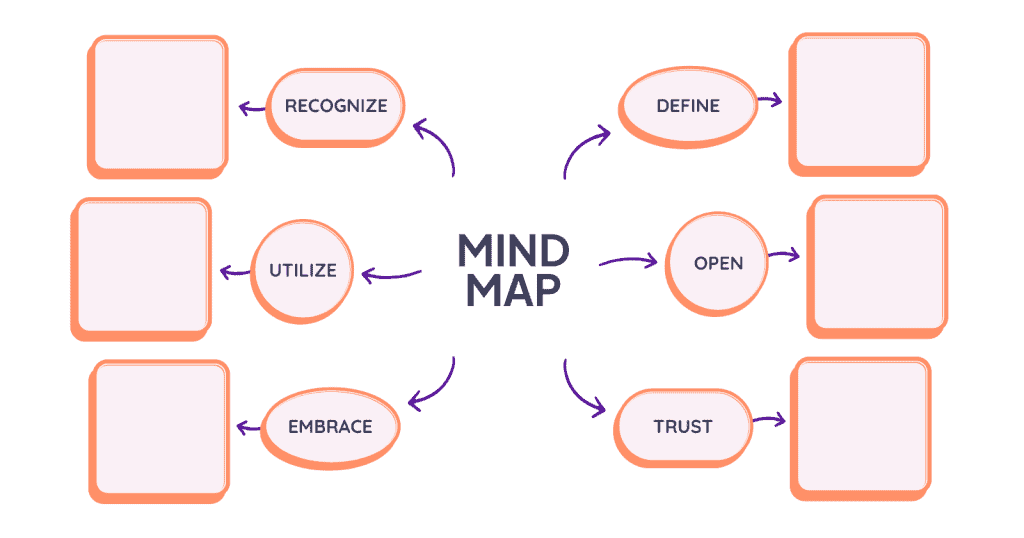
Što je to: Vizualna tehnika koja organizira ideje oko središnjeg koncepta, koristeći grane za prikaz odnosa i veza.
Kada koristiti:
- Istraživanje složenih tema s više dimenzija
- Planiranje projekata ili sadržaja
- Organiziranje informacija koje imaju prirodne hijerarhije
- Rad s vizualnim misliocima
Kako radi:
- Napišite središnju temu na sredinu velike stranice
- Nacrtajte grane za glavne teme ili kategorije
- Dodajte podgrane za povezane ideje
- Nastavite grananje kako biste istražili detalje
- Koristite boje, slike i simbole kako biste pojačali značenje
- Nacrtajte veze između različitih grana
Pros:
- Odražava prirodne misaone procese
- Prikazuje odnose između ideja
- Potiče nelinearno razmišljanje
- Lako je postupno dodavati detalje
Cons:
- Može postati složeno i preopterećujuće
- Manje učinkovito za jednostavne, linearne probleme
- Zahtijeva prostor i vizualne materijale
Primjer: Marketinški tim koji planira lansiranje proizvoda može imati grane za ciljanu publiku, kanale, poruke, vrijeme i proračun, pri čemu se svaka grana širi na specifične taktike i razmatranja.
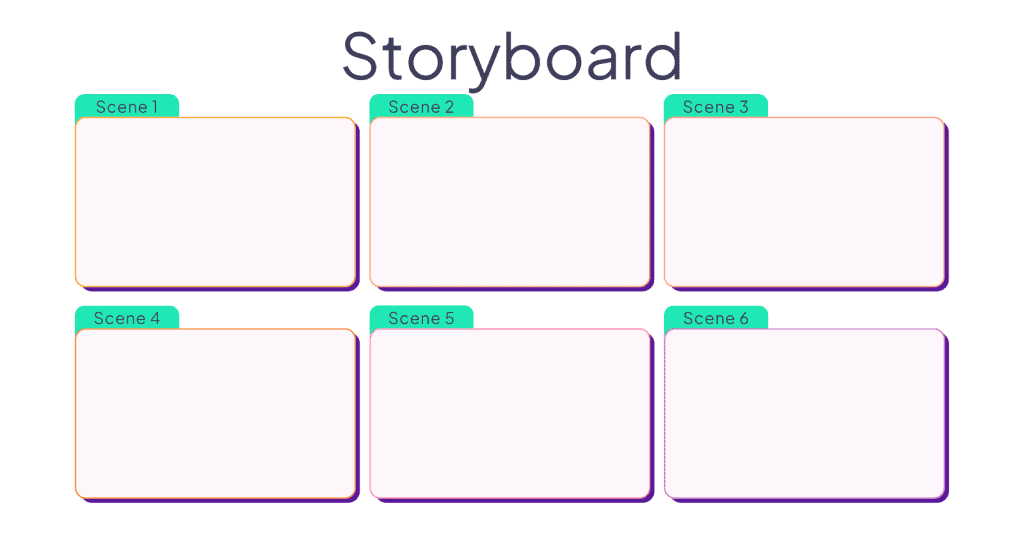
2. Storyboarding
Što je to: Sekvencijalna vizualna naracija koja mapira proces, iskustvo ili putovanje pomoću skica ili opisa.
Kada koristiti:
- Dizajniranje korisničkih iskustava ili putovanja kupaca
- Planiranje događaja ili procesa
- Razvoj materijala za obuku
- Stvaranje sadržaja vođenog naracijom
Kako radi:
- Odredite početnu točku i željeno završno stanje
- Podijelite putovanje na ključne faze ili trenutke
- Napravite okvir za svaku fazu
- Skicirajte ili opišite što se događa u svakom kadru
- Prikaži veze i prijelaze između okvira
- Dodajte bilješke o emocijama, bolnim točkama ili prilikama
Pros:
- Vizualizira procese i iskustva
- Identificira praznine i bolne točke
- Stvara zajedničko razumijevanje sekvenci
- Radi i za fizička i za digitalna iskustva
Cons:
- Izrada detaljnih storyboardova oduzima puno vremena
- Zahtijeva određenu udobnost s vizualnim izražavanjem
- Može prenaglasiti linearnu progresiju
Primjer: Tim za uvođenje u posao prikazuje priču o prvom tjednu novog zaposlenika, s okvirima koji prikazuju pripremu prije dolaska, dolazak, predstavljanje tima, početnu obuku, prvi projektni zadatak i prijavu za vikend.
3. Skiciranje
Što je to: Brzo generiranje vizualnih ideja gdje sudionici brzo skiciraju koncepte, čak i s ograničenim vještinama crtanja.
Kada koristiti:
- Dizajn i razvoj proizvoda
- Idejno osmišljavanje korisničkog sučelja
- Vježbe vizualnog brendiranja
- Bilo koji projekt koji ima koristi od vizualnog istraživanja
Kako radi:
- Postavite vremensko ograničenje (obično 5-10 minuta)
- Svaki sudionik skicira svoje ideje
- Nisu potrebne umjetničke vještine - figurice od štapića i jednostavni oblici funkcioniraju
- Dijelite i nadograđujte međusobne skice
- Kombinirajte najjače vizualne elemente
Pros:
- Oslobađa se od razmišljanja temeljenog na tekstu
- Dostupno svima (nisu potrebne umjetničke vještine)
- Brzo komunicira složene ideje
- Uključuje različite kognitivne procese
Cons:
- Neki ljudi se opiru zbog straha od crtanja
- Može naglasiti formu nad funkcijom
- Može biti nepovoljno za osobe s oštećenjem vida
4. Lude osmice
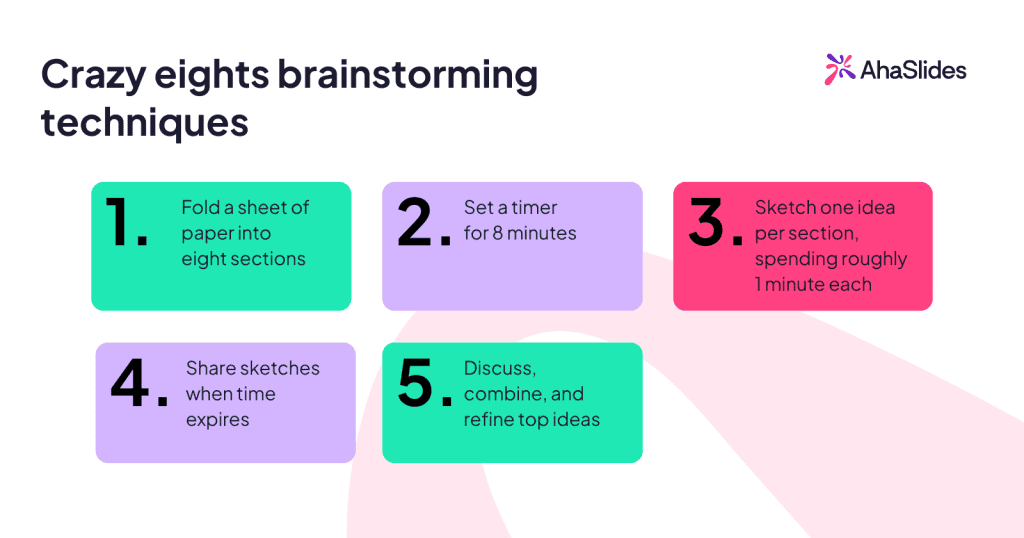
Što je to: Tehnika brzog skiciranja u kojoj sudionici generiraju osam različitih ideja u osam minuta, trošeći jednu minutu po skici.
Kada koristiti:
- Pomicanje dalje od očitih prvih ideja
- Vremenski ograničeno razmišljanje
- Brzo generiranje vizualne raznolikosti
- Individualne ili sesije u malim grupama
Kako radi:
- Presavijte list papira na osam dijelova
- Postavite tajmer na 8 minuta
- Skicirajte jednu ideju po odjeljku, trošeći otprilike 1 minutu na svaku
- Podijelite skice kada vrijeme istekne
- Raspravite, kombinirajte i usavršavajte najbolje ideje
Pros:
- Potiče brzo razmišljanje i sprječava pretjerano razmišljanje
- Brzo stvara volumen
- Jednako sudjelovanje (svatko stvara 8 ideja)
- Otkriva različite pristupe
Cons:
- Može se osjećati užurbano i stresno
- Kvaliteta može patiti zbog vremenskog pritiska
- Nije prikladno za složene probleme koji zahtijevaju duboko razmišljanje
Tihe tehnike
Ovi pristupi daju introvertima i promišljenim misliocima prostor za smislen doprinos, smanjujući dominaciju ekstrovertiranih glasova.
5. Brainwriting
Što je to: Tiho, individualno generiranje ideja gdje sudionici zapisuju ideje prije nego što ih podijele s grupom.
Kada koristiti:
- Grupe s dominantnim osobnostima
- Introvertirani članovi tima
- Smanjenje društvenog pritiska i grupnog razmišljanja
- Osiguravanje jednakog doprinosa
- Virtualna ili asinhrona brainstorming
Kako radi:
- Dajte svakom sudioniku papirnati ili digitalni dokument
- Jasno postavite problem
- Postavite vremensko ograničenje (5-10 minuta)
- Sudionici tiho zapisuju ideje
- Prikupljajte i dijelite ideje (anonimno ako želite)
- Raspravite i nadogradite ideje kao grupa
Pros:
- Jednako sudjelovanje bez obzira na osobnost
- Smanjuje socijalnu anksioznost i osuđivanje
- Sprječava da dominantni glasovi preuzmu kontrolu
- Omogućuje vrijeme za dublje promišljanje
- Dobro funkcionira na daljinu
Cons:
- Manje energije nego kod verbalnog brainstorminga
- Gubi dio spontane izgradnje ideja
- Može se osjećati odvojeno ili izolirano
Primjer: Tim za proizvode istražuje ideje za nove značajke. Svaka osoba provodi 10 minuta nabrajajući značajke, a zatim se sve ideje anonimno dijele putem AhaSlidesa. Tim glasa o najboljim konceptima, a zatim raspravlja o implementaciji.
6. Brainwriting 6-3-5
Što je to: Metoda strukturiranog brainwritinga u kojoj 6 ljudi napiše 3 ideje u 5 minuta, a zatim svoj rad predaju sljedećoj osobi koja te ideje dopuni ili izmijeni.
Kada koristiti:
- Sustavno nadograđujući međusobne ideje
- Brzo generiranje velikih količina (108 ideja u 30 minuta)
- Osiguravanje jednakog doprinosa svih
- Kombiniranje tihe refleksije sa suradnjom
Kako radi:
- Okupite 6 sudionika (prilagodljivo i drugom broju)
- Svaka osoba napiše 3 ideje u 5 minuta
- Dodajte papire udesno
- Pročitajte postojeće ideje i dodajte još 3 (nadogradite, modificirajte ili dodajte nove)
- Ponovite još 5 krugova (ukupno 6)
- Pregledajte i raspravite sve ideje
Pros:
- Sustavno generira veliki volumen (6 ljudi × 3 ideje × 6 rundi = 108 ideja)
- Progresivno gradi na idejama
- Zajamčeno jednako sudjelovanje
- Kombinira individualno i grupno razmišljanje
Cons:
- Kruta struktura može djelovati ograničavajuće
- Zahtijeva određenu veličinu grupe
- Ideje se mogu ponavljati u kasnijim rundama
- Vrijeme potrebno za cijeli proces

7. Tehnika nominalne grupe (NGT)
Što je to: Strukturirana metoda koja kombinira tiho generiranje ideja, dijeljenje, raspravu i demokratsko glasanje za određivanje prioriteta ideja.
Kada koristiti:
- Važne odluke koje zahtijevaju konsenzus
- Grupe s neravnotežom moći
- Određivanje prioriteta između mnogih opcija
- Osiguravanje pravednog sudjelovanja
- Kontroverzne ili osjetljive teme
Kako radi:
- Tiha generacija: Sudionici pojedinačno pišu ideje (5-10 minuta)
- Kružno dijeljenje: Svaka osoba dijeli jednu ideju; voditelj bilježi sve ideje bez rasprave
- Pojašnjenje: Grupa raspravlja o idejama za razumijevanje (ne evaluaciju)
- Pojedinačni poredak: Svaka osoba privatno rangira ili glasa o idejama
- Prioritizacija grupe: Kombinirajte pojedinačne rang-liste kako biste odredili glavne prioritete
- Rasprava: Raspravite o najbolje rangiranim idejama i donesite odluke
Pros:
- Uravnotežuje individualni i grupni doprinos
- Smanjuje utjecaj dominantnih osobnosti
- Stvara podršku sudjelovanjem
- Demokratski i transparentan proces
- Dobro funkcionira za kontroverzne teme
Cons:
- Zahtijeva više vremena od jednostavnog brainstorminga
- Formalna struktura može djelovati kruto
- Može potisnuti spontanu raspravu
- Glasanje može previše pojednostaviti složena pitanja
Analitičke tehnike
Ove metode pružaju strukturu za sustavnu analizu, pomažući timovima da procijene ideje iz više kutova.
8. SWOT analiza
Što je to: Okvir koji procjenjuje snage, slabosti, prilike i prijetnje za ideje, strategije ili odluke.
Kada koristiti:
- Strateško planiranje i donošenje odluka
- Procjena više opcija
- Procjena izvedivosti prije implementacije
- Identifikacija rizika
- Poslovno planiranje
Kako radi:
- Definirajte ideju, projekt ili strategiju za analizu
- Napravite četiri kvadranta: Snage, Slabosti, Prilike, Prijetnje
- Stavke za svaki kvadrant:
- Prednosti: Unutarnji pozitivni čimbenici i prednosti
- nedostaci: Unutarnji negativni čimbenici i ograničenja
- Mogućnosti: Vanjski pozitivni čimbenici i mogućnosti
- Prijetnje: Vanjski negativni čimbenici i rizici
- Raspravite i odredite prioritete stavki u svakom kvadrantu.
- Razviti strategije na temelju analize
Pros:
- Sveobuhvatan pogled na situaciju
- Uzima u obzir i unutarnje i vanjske čimbenike
- Rano identificira rizike
- Stvara zajedničko razumijevanje
- Podržava odluke temeljene na podacima
Cons:
- Može biti površno ako se žuri
- Može previše pojednostaviti složene situacije
- Zahtijeva iskrenu procjenu
- Statička snimka (ne prikazuje evoluciju)
9. Šest šešira za razmišljanje
Što je to: Tehnika Edwarda de Bona koja istražuje probleme iz šest različitih perspektiva, predstavljenih obojenim "šeširima".
Kada koristiti:
- Složene odluke koje zahtijevaju temeljitu analizu
- Smanjenje svađa i sukoba
- Osiguravanje da se uzmu u obzir višestruke perspektive
- Izlazak iz uobičajenih obrazaca razmišljanja
Šest šešira:
- bijeli šešir: Činjenice i podaci (objektivne informacije)
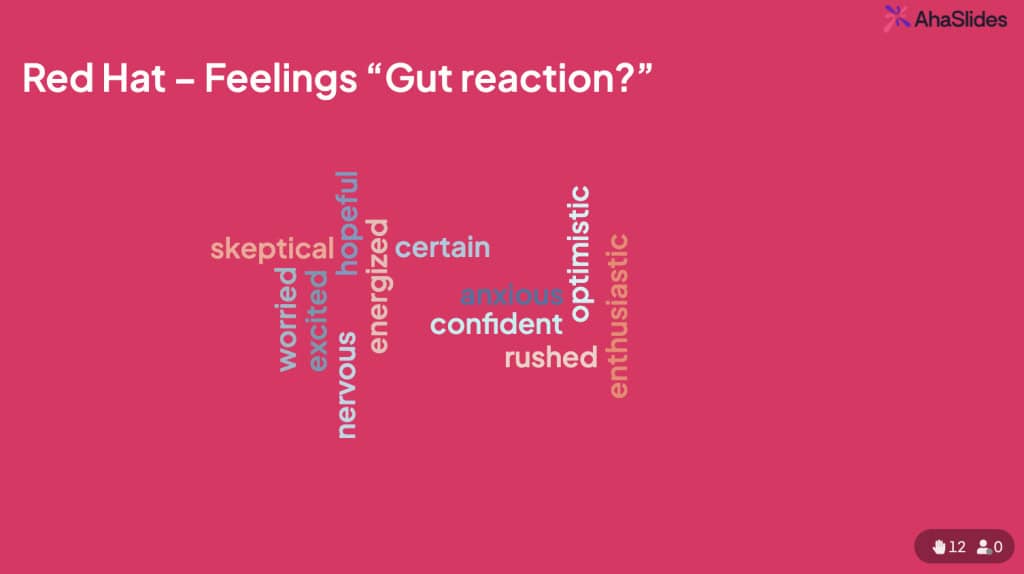
- Crveni šešir: Emocije i osjećaji (intuitivni odgovori)
- Crni šešir: Kritičko razmišljanje (rizici, problemi, zašto možda neće uspjeti)
- Žuti šešir: Optimizam i koristi (zašto će funkcionirati, prednosti)
- Zeleni šešir: Kreativnost (nove ideje, alternative, mogućnosti)
- Plavi šešir: Kontrola procesa (olakšavanje, organizacija, sljedeći koraci)
Kako radi:
- Uvedite šest perspektiva razmišljanja
- Svi istovremeno "nose" isti šešir
- Istražite problem iz te perspektive
- Sustavno mijenjajte šešire (obično 5-10 minuta po šeširu)
- Plavi šešir olakšava i određuje redoslijed
- Sintetizirajte uvide iz svih perspektiva
Pros:
- Razlikuje različite tipove razmišljanja
- Smanjuje rasprave (svi zajedno istražuju istu perspektivu)
- Osigurava sveobuhvatnu analizu
- Legitimira emocionalno i kreativno razmišljanje
- Stvara psihološku odvojenost od osobnih stavova
Cons:
- Zahtijeva obuku i praksu
- U početku se može činiti umjetnim
- Vrijeme potrebno za cijeli proces
- Može previše pojednostaviti složene emocionalne reakcije
10. Zvjezdana eksplozija
Što je to: Metoda evaluacije ideje koja generira pitanja o ideji koristeći okvir "tko, što, kada, gdje, zašto i kako".
Kada koristiti:
- Temeljito provjeravanje ideja prije implementacije
- Identificiranje nedostataka i pretpostavki
- Planiranje i priprema
- Otkrivanje potencijalnih izazova
Kako radi:
- Nacrtajte šesterokraku zvijezdu sa svojom idejom u sredini
- Označite svaku točku s: Tko, Što, Kada, Gdje, Zašto, Kako
- Generirajte pitanja za svaku točku:
- Tko: Tko će imati koristi? Tko će implementirati? Tko bi se mogao oduprijeti?
- Što: Koji su resursi potrebni? Koji su koraci? Što bi moglo poći po zlu?
- Kada: Kada bi ovo trebalo biti pokrenuto? Kada ćemo vidjeti rezultate?
- Gdje: Gdje će se to dogoditi? Gdje bi se mogli pojaviti izazovi?
- Zašto: Zašto je ovo važno? Zašto bi moglo propasti?
- Kako: Kako ćemo to učiniti? Kako ćemo mjeriti uspjeh?
- Raspravite o odgovorima i implikacijama
- Identificirajte područja koja zahtijevaju više informacija ili planiranja
Pros:
- Sustavno i temeljito
- Otkriva pretpostavke i praznine
- Generira uvide u implementaciju
- Jednostavan za razumijevanje i korištenje
- Primjenjivo na bilo koju ideju ili projekt
Cons:
- Primarno analitičan (ne generiranje ideja)
- Može generirati previše pitanja
- Može stvoriti paralizu analize
- Manje kreativno od drugih tehnika
11. Obrnuta brainstorming metoda
Što je to: Generiranje ideja o tome kako uzrokovati ili pogoršati problem, a zatim preokretanje tih ideja kako bi se pronašla rješenja.
Kada koristiti:
- Zaglavljen na teškom problemu
- Probijanje kroz konvencionalno razmišljanje
- Identificiranje temeljnih uzroka
- Izazovne pretpostavke
- Rješavanje problema učinite zabavnim i zanimljivim
Kako radi:
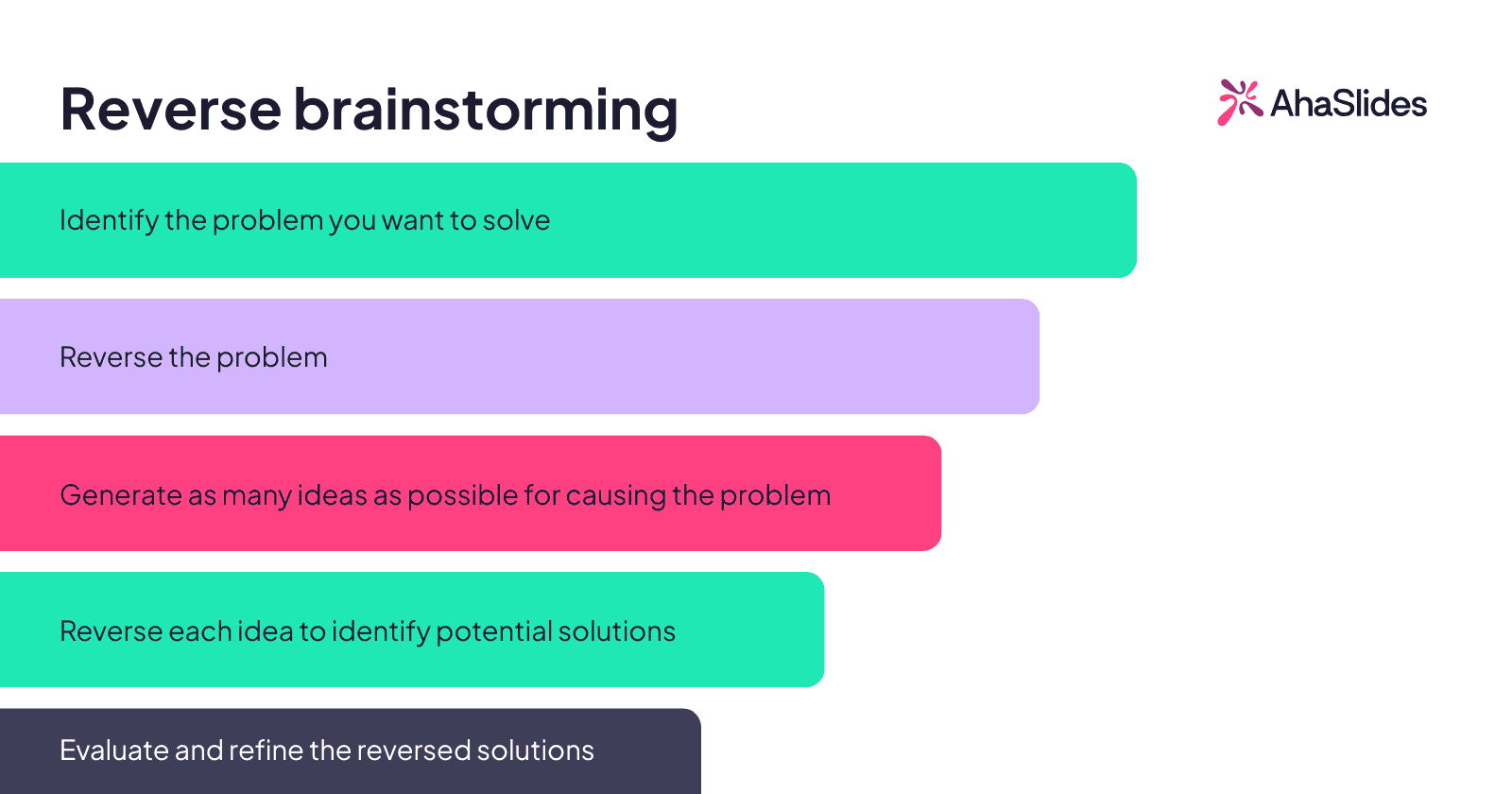
- Jasno navedite problem koji želite riješiti
- Obrnite to: "Kako možemo pogoršati ovaj problem?" ili "Kako možemo jamčiti neuspjeh?"
- Generirajte što više ideja za uzrok problema
- Obrnite svaku ideju kako biste identificirali potencijalna rješenja
- Procijenite i poboljšajte obrnuta rješenja
- Razviti planove provedbe za obećavajuće ideje
Primjer:
- Izvorni problem: Kako poboljšavamo zadovoljstvo kupaca?
- Obrnuto: Kako možemo razljutiti i frustrirati kupce?
- Obrnute ideje: Ignorirajte njihove pozive, budite grubi, šaljite pogrešne proizvode, ne dajte nikakve informacije
- Rješenja: Poboljšajte vrijeme odziva, obučite osoblje za korisničku podršku, implementirajte kontrolu kvalitete, kreirajte sveobuhvatna često postavljana pitanja
Pros:
- Čini rješavanje problema zabavnim i energičnim
- Otkriva skrivene pretpostavke
- Lakše je kritizirati nego stvarati (koristi tu energiju)
- Identificira temeljne uzroke
- Uključuje skeptične sudionike
Cons:
- Neizravni put do rješenja
- Može generirati nerealne "obrnute" ideje
- Zahtijeva korak prevođenja (obrnuto od rješenja)
- Može postati negativno ako se ne upravlja dobro
12. Pet zašto
Što je to: Tehnika analize uzroka koja više puta (obično pet puta) postavlja pitanje "zašto" kako bi se zadubila površinska simptoma i pronašla temeljna pitanja.
Kada koristiti:
- Dijagnoza problema i analiza uzroka
- Razumijevanje neuspjeha ili problema
- Prelazak sa simptoma na uzroke
- Jednostavni problemi s jasnim uzročno-posljedičnim lancima
Kako radi:
- Jasno navedite problem
- Pitajte se "Zašto se to događa?"
- Odgovor na temelju činjenica
- Pitajte "Zašto?" o tom odgovoru
- Nastavite pitati "Zašto?" (obično 5 puta, ali može biti i više ili manje)
- Kada dođete do temeljnog uzroka (ne možete ponovno smisleno pitati zašto), razvijte rješenja usmjerena na taj uzrok
Primjer:
- Problem: Propustili smo rok za naš projekt
- Zašto? Završno izvješće nije bilo spremno
- Zašto? Ključni podaci nisu bili dostupni
- Zašto? Anketa nije poslana kupcima
- Zašto? Nismo imali ažurirani popis kupaca
- Zašto? Nemamo proces za održavanje podataka o kupcima
- Glavni uzrok: Nedostatak procesa upravljanja podacima o kupcima
- Rješenje: Implementirajte CRM sustav s protokolima za održavanje podataka
Pros:
- Jednostavan i pristupačan
- Kopa ispod površine simptoma
- Identificira temeljne uzroke na koje se može djelovati
- Djeluje za mnoge vrste problema
- Potiče kritičko razmišljanje
Cons:
- Previše pojednostavljuje složene probleme s više uzroka
- Pretpostavlja linearne uzročno-posljedične odnose
- Pristranost istražitelja može dovesti do unaprijed određenih "osnovnih uzroka"
- Može propustiti sistemske ili kulturne čimbenike
Tehnike suradnje
Ove metode iskorištavaju grupnu dinamiku i grade se na kolektivnoj inteligenciji.
13. Kružno-robin brainstorming
Što je to: Strukturirani pristup u kojem sudionici naizmjence dijele jednu ideju, osiguravajući da svi doprinose jednako.
Kada koristiti:
- Osiguravanje jednakog sudjelovanja
- Grupe s dominantnim osobnostima
- Generiranje sveobuhvatnih popisa
- Sastanci uživo ili virtualni sastanci
Kako radi:
- Sjednite u krug (fizički ili virtualni)
- Postavite osnovna pravila (jedna ideja po potezu, propustite ako je potrebno)
- Započnite s jednom osobom koja dijeli ideju
- Krećite se u smjeru kazaljke na satu, svaka osoba dijeli jednu ideju
- Nastavite krugove dok se ideje ne iscrpe
- Dopustite "propuste" kada netko nema novih ideja
- Vidljivo zabilježite sve ideje
Pros:
- Jamči da svi govore
- Sprječava dominaciju nekolicine glasova
- Strukturirano i predvidljivo
- Jednostavno za olakšavanje
- Nadograđuje se na prethodne ideje
Cons:
- Može se osjećati sporo ili ukočeno
- Pritisak da se zauzvrat doprinese
- Može izgubiti spontane veze
- Ljudi mogu naizmjence razmišljati umjesto da slušaju
14. Brzo stvaranje ideja
Što je to: Brzo i energično generiranje ideja sa strogim vremenskim ograničenjima kako bi se spriječilo pretjerano razmišljanje i maksimizirala količina.
Kada koristiti:
- Probijanje paralize analize
- Brzo generiranje velikih količina
- Energiziranje grupe
- Prevazilaženje očitih ideja
Kako radi:
- Postavite agresivno vremensko ograničenje (obično 5-15 minuta)
- Ciljajte na određeni kvantitativni cilj
- Generirajte ideje što je brže moguće
- Nema rasprave ili evaluacije tijekom generiranja
- Snimi sve, bez obzira koliko je teško
- Pregledajte i poboljšajte nakon isteka vremena
Pros:
- Visoka energija i angažiranost
- Sprječava pretjerano razmišljanje
- Brzo stvara volumen
- Probija se kroz perfekcionizam
- Stvara zamah
Cons:
- Kvaliteta može patiti
- Može biti stresno
- Može favorizirati brze mislioce u odnosu na duboke mislioce
- Teško je dovoljno brzo uhvatiti ideje
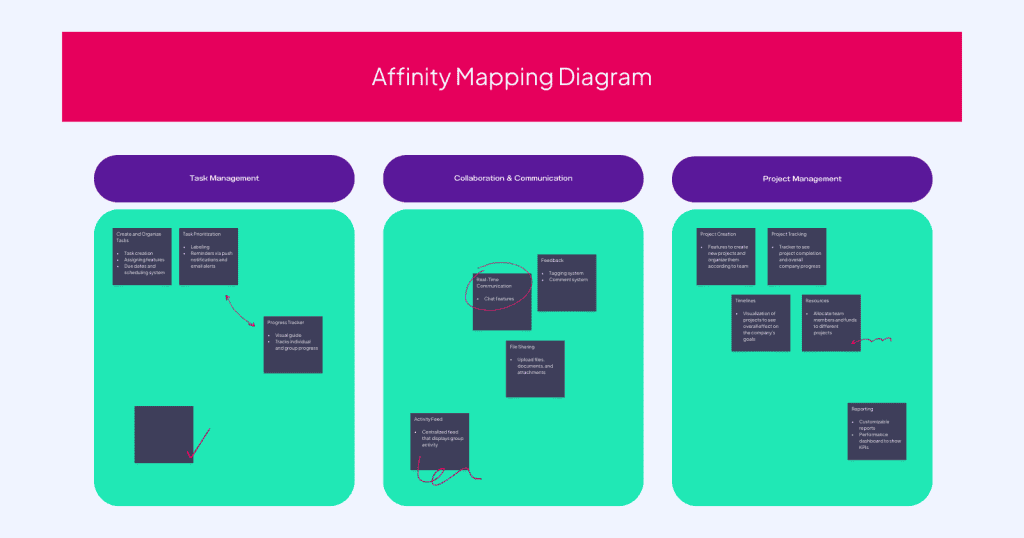
15. Mapiranje afiniteta
Što je to: Organiziranje velikog broja ideja u povezane skupine kako bi se identificirali obrasci, teme i prioriteti.
Kada koristiti:
- Nakon što je generirao mnogo ideja
- Sintetiziranje složenih informacija
- Prepoznavanje tema i obrazaca
- Izgradnja konsenzusa oko kategorija
Kako radi:
- Generiranje ideja (koristeći bilo koju tehniku)
- Svaku ideju napišite na zasebnu ljepljivu bilježnicu
- Vidljivo prikažite sve ideje
- Tiho grupirajte povezane ideje zajedno
- Izradite oznake kategorija za svaku grupu
- Raspravite i precizirajte grupiranja
- Dajte prioritet kategorijama ili idejama unutar kategorija
Pros:
- Ima smisla u velikim skupovima ideja
- Otkriva obrasce i teme
- Suradnički i demokratski
- Vizualno i opipljivo
- Izgrađuje zajedničko razumijevanje
Cons:
- Nije tehnika generiranja ideja (samo za organizaciju)
- Može oduzeti puno vremena s mnogo ideja
- Neslaganje oko kategorizacije
- Neke ideje mogu odgovarati više kategorija
Tehnike temeljene na pitanjima
Ovi pristupi koriste pitanja umjesto odgovora kako bi otključali nove perspektive.
16. Bujica pitanja
Što je to: Tehnika koju je razvio profesor s MIT-a Hal Gregersen gdje timovi generiraju što više pitanja u kratkom vremenu, umjesto odgovora.
Kada koristiti:
- Problemi s preoblikovanjem
- Izazovne pretpostavke
- Odlijepiti se
- Sagledavanje problema iz novih kutova
Kako radi:
- Predstavite izazov u 2 minute (visoka razina, minimalne detalje)
- Postavite timer na 4 minute
- Generirajte što više pitanja (cilj je 15+)
- Pravila: Samo pitanja, bez uvoda, bez odgovaranja na pitanja
- Pregledajte pitanja i identificirajte ona najprovokativnija
- Odaberite najčešća pitanja za daljnje istraživanje
Pros:
- Brzo preoblikuje probleme
- Lakše nego generiranje rješenja
- Otkriva pretpostavke
- Stvara svježe perspektive
- Zanimljivo i energično
Cons:
- Ne generira rješenja izravno
- Zahtijeva daljnje praćenje kako bi se odgovorilo na pitanja
- Može se osjećati frustrirajuće bez odgovora
- Može generirati previše smjerova za praćenje
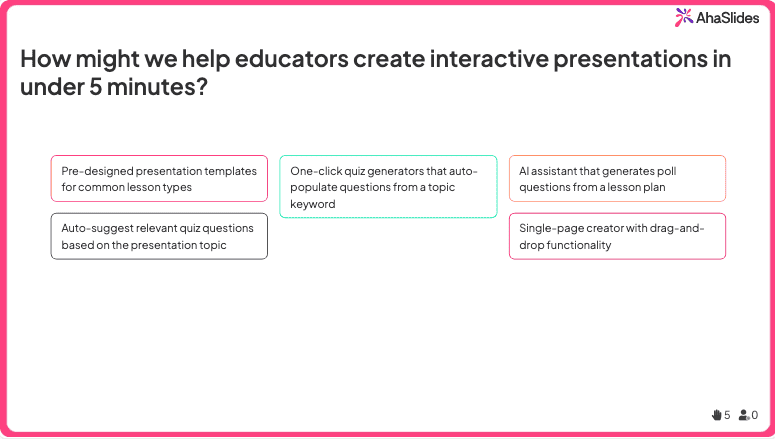
17. Pitanja o tome kako bismo mogli (HMW)
Što je to: Metoda dizajnerskog razmišljanja koja probleme predstavlja kao prilike koristeći strukturu "Kako bismo mogli...".
Kada koristiti:
- Definiranje dizajnerskih izazova
- Preoblikovanje negativnih problema u pozitivne prilike
- Početne sesije stvaranja ideja
- Stvaranje optimističnih, praktičnih izjava o problemima
Kako radi:
- Započnite s problemom ili uvidom
- Preoblikujte u pitanje "Kako bismo mogli..."
- Napravite to:
- Optimistički (pretpostavlja se da rješenja postoje)
- Otvoren (omogućuje više rješenja)
- podložan zakonskom suđenju (sugerira jasan smjer)
- Nije preširoko or preuzak
- Generiraj više HMW varijacija
- Odaberite najperspektivnija HMW rješenja za brainstorming
Pros:
- Stvara optimističan, na prilike usmjeren okvir
- Otvara više puteva rješenja
- Široko se koristi u dizajnerskom razmišljanju
- Lako za učenje i primjenu
- Prebacuje način razmišljanja s problema na mogućnost
Cons:
- Ne generira rješenja (samo uokviruje pitanja)
- Može se činiti šablonskim
- Rizik od preširokih ili nejasnih pitanja
- Može previše pojednostaviti složene probleme
Napredne tehnike
18. SKAMPER
Što je to: Kontrolna lista temeljena na akronimima koja potiče kreativno razmišljanje sustavnim mijenjanjem postojećih ideja.
SCAMPER upute:
- Zamjena: Što se može zamijeniti ili zamijeniti?
- Kombinirati: Što se može spojiti ili integrirati?
- Prilagoditi: Što se može prilagoditi za različitu upotrebu?
- Izmijeni/Povećaj/Smanji: Što se može promijeniti u mjerilu ili atributima?
- Staviti u drugu upotrebu: Kako bi se ovo još moglo koristiti?
- Eliminirati: Što se može ukloniti ili pojednostaviti?
- Obrnuto/Preuređeno: Što se može učiniti obrnutim redoslijedom ili drugim redoslijedom?
Kada koristiti:
- Razvoj i inovacija proizvoda
- Poboljšanje postojećih rješenja
- Kada se zaglavite s problemom
- Sustavne vježbe kreativnosti
Kako radi:
- Odaberite postojeći proizvod, proces ili ideju
- Sustavno primijenite svaki SCAMPER uputu
- Generirajte ideje za svaku kategoriju
- Kombinirajte obećavajuće modifikacije
- Procijenite izvedivost i utjecaj
Pros:
- Sustavno i sveobuhvatno
- Radi za bilo koju postojeću ideju ili proizvod
- Lako za pamćenje (kratica)
- Prisiljava istraživanje u više smjerova
- Dobro za inovacijske radionice
Cons:
- Nadograđuje se na postojeće ideje (ne za uistinu nove koncepte)
- Može se osjećati mehanički
- Generira mnogo osrednjih ideja
- Za početak je potrebna jaka postojeća ideja
Odabir prave tehnike
S više od 20 dostupnih tehnika, kako odabrati? Razmislite o sljedećem:
Veličina grupe:
- Male grupe (2-5): Naleti pitanja, brzo smišljanje ideja, TRČANJE
- Srednje grupe (6-12): Brainwriting, kružni rad, Šest šešira za razmišljanje
- Velike grupe (13+): Mapiranje afiniteta, tehnika nominalnih grupa
Ciljevi sesije:
- Maksimalna količina: Brzo smišljanje ideja, lude osmice, kružni sustav
- Dubinsko istraživanje: SWOT, Šest šešira za razmišljanje, Pet zašto
- Jednako sudjelovanje: Brainwriting, tehnika nominalne grupe
- Vizualno razmišljanje: mapiranje uma, izrada scenarija, sketchstorming
- Dijagnoza problema: Pet Zašto, obrnuta brainstorming
Dinamika tima:
- Dominantne ličnosti: Brainwriting, tehnika nominalne grupe
- Introvertirani tim: Tihe tehnike
- Skeptični tim: Obrnuta brainstorming akcija, Šest šešira za razmišljanje
- Potrebne su svježe perspektive: Izljevi pitanja, TRČI
Korak-po-korak proces brainstorminga
Slijedite ovaj provjereni okvir za učinkovito provođenje sesija brainstorminga od početka do kraja.
Faza 1: Zagrijavanje (5-10 minuta)
Hladan početak vodi do neugodne tišine i površnih ideja. Zagrijte kreativne mišiće brzom aktivnošću.
Učinkoviti probijači leda:
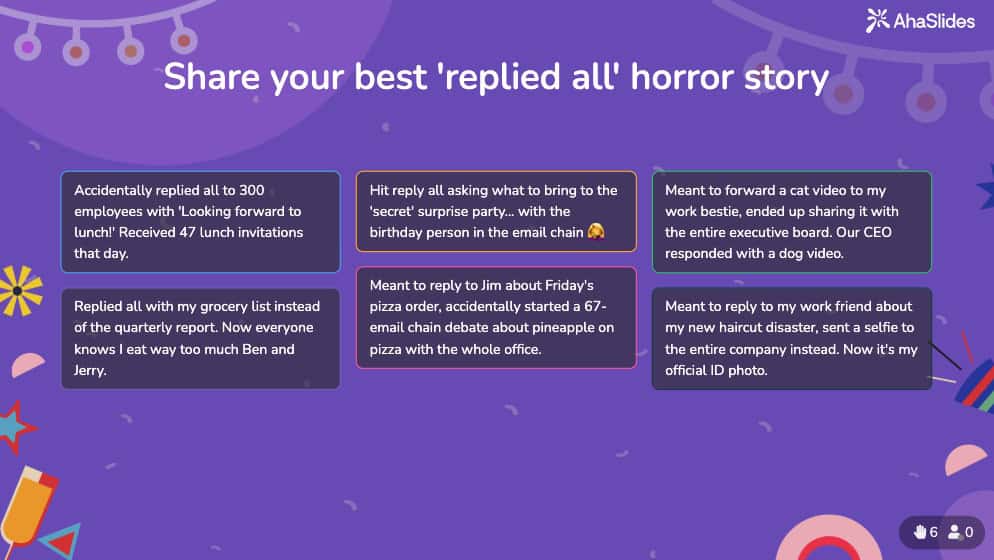
Neugodno dijeljenje priča
Možete zamoliti svaku osobu da podijeli neugodnu priču vezanu uz svoj posao, poput 'Podijelite svoju najbolju horor priču o kojoj ste odgovorili svima'. To stvara zajedničke mostove među sudionicima i omogućuje svima da se osjećaju ugodno jedni s drugima u kraćem vremenskom razdoblju.
Pustinjski otok
Pitajte sve koje bi 3 stvari željeli da su godinu dana ostali nasukani na pustom otoku.
Dvije istine i laž
Svaka osoba podijeli tri tvrdnje o sebi - dvije istinite, jednu lažnu. Ostali pogađaju lažnu.
Brzi kviz
Pokrenite 5-minutni zabavni kviz koristeći AhaSlides na laganu temu.
Faza 2: Uokviravanje problema (5-15 minuta)
Jasno predstavite izazov:
- Navedite problem jednostavno i konkretno
- Navedite relevantan kontekst i pozadinu
- Podijelite ključna ograničenja (proračun, vrijeme, resursi)
- Objasnite zašto je rješavanje ovoga važno
- Pojasnite kako izgleda uspjeh
- Odgovorite na pojašnjavajuća pitanja
Faza 3: Divergentno razmišljanje - Generiranje ideja (20-40 minuta)
Ovo je ključna faza brainstorminga. Koristite jednu ili više tehnika iz prethodnog odjeljka.
Ključna načela:
- Strogo provodite 7 pravila brainstorminga
- Potaknite količinu iznad kvalitete
- Vidljivo zabilježite svaku ideju
- Održavajte visoku energiju
- Spriječite ocjenjivanje ili kritiku
- Postavite jasne vremenske granice
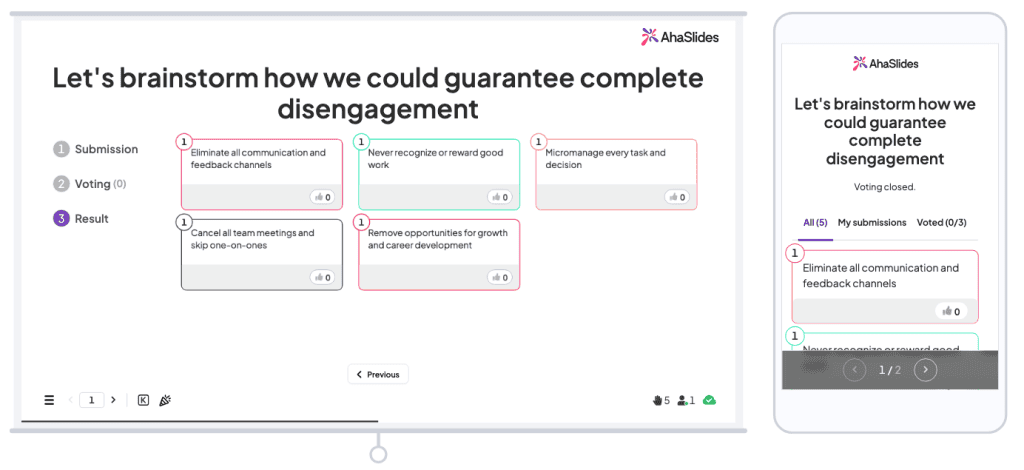
Korištenje AhaSlidesa za generiranje ideja:
- Napravite slajd za brainstorming s opisom problema
- Sudionici šalju ideje sa svojih telefona
- Ideje se pojavljuju uživo na ekranu
- Svi mogu vidjeti cijelu kolekciju i glasati za najbolje ideje za sljedeću fazu
Faza 4: Pauza (5-10 minuta)
Ne preskačite pauzu! Ona omogućuje inkubaciju ideja, resetiranje energije i mentalni prelazak iz načina generiranja u način evaluacije.
Faza 5: Konvergentno razmišljanje - Organizacija i usavršavanje (15-30 minuta)
Korak 1: Organizirajte ideje - Grupirajte slične ideje pomoću mapiranja afiniteta:
- Tiho sortirajte ideje u povezane teme
- Izradite oznake kategorija
- Raspravite o grupiranjima i poboljšajte
- Prepoznajte uzorke
Korak 2: Razjasnite ideje
- Pregledajte nejasne ideje
- Zamolite predlagatelje da objasne
- Kombinirajte duplicirane ili vrlo slične ideje
- Uhvatite namjeru, ne samo riječi
Korak 3: Početna evaluacija - Primijenite brze filtere:
- Rješava li problem?
- Je li to izvedivo (čak i ako je izazovno)?
- Je li dovoljno novo/drugačije za nastaviti?
Korak 4: Glasanje o najboljim idejama -Koristite višestruko glasanje za sužavanje opcija:
- Dajte svakoj osobi 3-5 glasova
- Može dati više glasova za jednu ideju ako je snažno poželjna
- Broj glasova
- Raspravite o 5-10 najboljih ideja
Korištenje AhaSlidesa za glasanje:
- Dodavanje najboljih ideja na slajd ankete
- Sudionici glasaju sa svojih telefona
- Rezultati se prikazuju uživo
- Odmah vidite glavne prioritete
Faza 6: Sljedeći koraci (5-10 minuta)
Ne završavajte bez jasnih akcijskih planova:
Dodijeli vlasništvo:
- Tko će dalje razvijati svaku vrhunsku ideju?
- Kada će se javiti?
- Koji su im resursi potrebni?
Zakazivanje praćenja:
- Odredite datum sljedeće rasprave
- Odredite koja je analiza potrebna
- Izradite vremenski okvir za odluke
Sve dokumentirati:
- Zabilježite sve ideje
- Spremi kategorije i teme
- Zabilježite donesene odluke
- Podijeli sažetak sa svim sudionicima
Zahvalite sudionicima
Brainstorming za različite kontekste
Brainstorming za poslovanje i radno mjesto
Uobičajene primjene:
- Razvoj proizvoda i osmišljavanje ideja za značajke
- Marketinške kampanje i strategije sadržaja
- Inicijative za poboljšanje procesa
- Strateško planiranje
- Radionice rješavanja problema
Razmatranja specifična za poslovanje:
- Dinamika snage: Viši rukovoditelji mogu spriječiti iskreno razmišljanje
- Pritisak povrata ulaganja: Uskladite kreativnu slobodu s poslovnim ograničenjima
- Međufunkcionalne potrebe: Uključite različite odjele
- Fokus implementacije: Završite s konkretnim akcijskim planovima
Primjeri pitanja za poslovnu brainstorming:
- "Na koje kanale bismo se trebali usredotočiti kako bismo maksimizirali rast prihoda?"
- "Kako bismo mogli diferencirati naš proizvod na prenatrpanom tržištu?"
- "Koja je idealna persona kupca za našu novu uslugu?"
- "Kako možemo smanjiti troškove akvizicije kupaca za 30%?"
- "Za koje pozicije bismo trebali sljedeće zaposliti i zašto?"

Obrazovni brainstorming
Uobičajene primjene:
- Esej i planiranje projekta
- Grupni zadaci i prezentacije
- Vježbe kreativnog pisanja
- Rješavanje STEM problema
- Rasprave u učionici
Razmatranja specifična za obrazovanje:
- Razvoj vještina: Koristite brainstorming za podučavanje kritičkog mišljenja
- Različite dobi: Prilagodite tehnike razvojnim razinama
- Procjena: Razmislite o tome kako pravedno procijeniti sudjelovanje
- Angažman: Učinite to zabavnim i interaktivnim
- Tihi učenici: Koristite tehnike koje osiguravaju da svi doprinose
Primjeri pitanja za edukativni brainstorming:
Osnovna škola (K-5):
- "Koji je najbolji način da se dođe do škole i zašto?"
- "Kad biste mogli izmisliti bilo što, što bi to bilo?"
- "Kako možemo učiniti našu učionicu zabavnijom?"
Srednja škola:
- "Kako možemo smanjiti otpad u našoj kantini?"
- "Koje su različite perspektive o ovom povijesnom događaju?"
- "Kako bismo mogli osmisliti bolji školski raspored?"
Srednja škola:
- "Koji je najbolji način za mjerenje uspjeha neke zemlje?"
- "Kako bismo se trebali suočiti s klimatskim promjenama u našoj zajednici?"
- "Kakvu ulogu bi društvene mreže trebale imati u obrazovanju?"
Fakultet/sveučilište:
- "Kako bismo mogli reinterpretirati visoko obrazovanje za 21. stoljeće?"
- "Koja su istraživačka pitanja najvažnija u našem području?"
- "Kako možemo učiniti akademska istraživanja dostupnijima?"

Udaljena i hibridna brainstorming
Posebni izazovi:
- Tehnološke barijere i problemi s povezivanjem
- Smanjena neverbalna komunikacija
- "Umor od zooma" i kraći raspon pažnje
- Teškoće u izgradnji energije i zamaha
- Koordinacija vremenske zone
Najbolje prakse:
Postavljanje tehnologije:
- Prethodno testirajte sve alate
- Imati rezervne metode komunikacije
- Koristite digitalne bijele ploče (Miro, Mural)
- Iskoristite AhaSlides za interaktivno sudjelovanje
- Snimanje sesija za one koji ne mogu prisustvovati uživo
Prilagodbe olakšavanja:
- Kraće sesije (maksimalno 45-60 minuta)
- Češće pauze (svakih 20-30 minuta)
- Eksplicitno naizmjenično igranje
- Koristite chat za sporedne misli
- Strukturiranije tehnike
Strategije angažmana:
- Držite kamere uključene kad god je to moguće
- Koristite reakcije i emojije za brzu povratnu informaciju
- Moć ankete i značajke glasanja
- Sobe za odvojene grupe za rad u malim grupama
- Asinkrone komponente za globalne timove
Samostalno brainstorming
Kada samostalno razmišljati:
- Osobni projekti i odluke
- Priprema prije grupnih sesija
- Pismeni i kreativni projekti
- Kada vam je potrebna duboka koncentracija
Učinkovite solo tehnike:
- Mentalna mapa
- Slobodno pisanje
- BJEŽANJE
- Pet Zašto
- Izljevi pitanja
- Hodajuća brainstorming
Savjeti za samostalno brainstorming:
- Postavite određena vremenska ograničenja
- Promijenite okruženje kako biste promijenili način razmišljanja
- Pravite pauze i pustite da se ideje inkubiraju
- Glasno pričaj sam sa sobom
- Nemojte se samocenzurirati u početku
- Pregledajte i poboljšajte u zasebnoj sesiji
Rješavanje uobičajenih problema s brainstormingom
Problem: Dominantni glasovi
znakovi:
- Iste 2-3 osobe doprinose s najviše ideja
- Drugi šute ili se ne angažiraju
- Ideje se grade samo u jednom smjeru
Rješenja:
- Koristite kružni sustav kako biste osigurali jednake okrete
- Primijenite tehniku brainwritinga ili nominalne grupe
- Postavite eksplicitno pravilo "bez prekidanja"
- Koristite anonimne alate za slanje poput AhaSlidesa
- Neka voditelj prozove tiše sudionike
- Podijelite se u manje grupe
Problem: Tišina i niska participacija
znakovi:
- Duge neugodne pauze
- Ljudi izgledaju neugodno
- Malo ili nimalo ideja se dijeli
- Nedostatak energije u sobi
Rješenja:
- Započnite s zanimljivijim zagrijavanjem
- Prvo koristite privatnu brainstorming oluju, a zatim podijelite
- Učini slanje anonimnim
- Smanjite veličinu grupe
- Provjerite je li problem dobro shvaćen
- Podijelite primjere ideja za punjenje pumpe
- Koristite strukturiranije tehnike
Problem: Preuranjena osuda i kritika
znakovi:
- Ljudi koji govore "To neće uspjeti" ili "To smo pokušali"
- Ideje se odmah odbacuju
- Obrambeni odgovori onih koji dijele ideje
- Inovacija opada kako sesija napreduje
Rješenja:
- Ponovite pravilo "odgode presude"
- Lagano preusmjerite kritičke komentare
- Razmislite o zabrani fraza poput "Da, ali..."
- Kao facilitator, budite primjer jezika bez osuđivanja
- Koristite tehnike koje odvajaju generiranje od evaluacije
- Odvojite ljude od ideja (anonimno podnošenje)
Problem: Zaglavljivanje ili ostajanje bez ideja
znakovi:
- Ideje se usporavaju do dna
- Ponavljanje sličnih koncepata
- Sudionici izgledaju mentalno iscrpljeno
- Duge pauze bez novih doprinosa
Rješenja:
- Prebacite se na drugu tehniku
- Napravite pauzu i vratite se osvježeni
- Postavite poticajna pitanja:
- "Što bi [natjecatelj/stručnjak] učinio?"
- "Što ako bismo imali neograničen budžet?"
- "Koja je najluđa ideja koju bismo mogli isprobati?"
- Ponovno proučite izjavu o problemu (preoblikujte je)
- Koristite SCAMPER ili neku drugu sustavnu tehniku
- Unesite svježe perspektive
Problem: Problemi s upravljanjem vremenom
znakovi:
- Značajno se mijenja tijekom vremena
- Žurba u važnim fazama
- Ne dolazi se do faze poboljšanja ili donošenja odluke
- Sudionici provjeravaju satove ili telefone
Rješenja:
- Unaprijed postavite jasne vremenske okvire
- Koristi vidljivi timer
- Dodijelite mjeritelja vremena
- Držite se dnevnog reda
- Budite spremni malo produžiti ako ste produktivni
- Zakažite naknadnu sesiju ako je potrebno
- Koristite tehnike koje štede vrijeme
Problem: Sukob i nesuglasice
znakovi:
- Napetost među sudionicima
- Obrambeni ili agresivni govor tijela
- Rasprave o idejama
- Osobni napadi (čak i suptilni)
Rješenja:
- Pauziraj i ponovi osnovna pravila
- Podsjetite sve da su sve ideje valjane u ovoj fazi
- Odvojite ljude od ideja
- Koristite Plavi šešir (Šest šešira za razmišljanje) za preusmjeravanje
- Napravite pauzu da se ohladite
- Privatni razgovor sa sukobljenim stranama
- Usredotočite se na zajedničke ciljeve i vrijednosti
Problem: Tehnički problemi s virtualnom sesijom
znakovi:
- Problemi s povezivanjem
- Problemi s kvalitetom zvuka/slike
- Problemi s pristupom alatima
- Odlazak sudionika
Rješenja:
- Imati rezervnu metodu komunikacije
- Testirajte tehnologiju unaprijed
- Unaprijed podijelite jasne upute
- Snimanje sesije za one koji imaju problema
- Imaju mogućnost sudjelovanja izvan mreže
- Skratite sesije
- Koristite jednostavne, pouzdane alate
- Imajte na raspolaganju osobu za tehničku podršku