


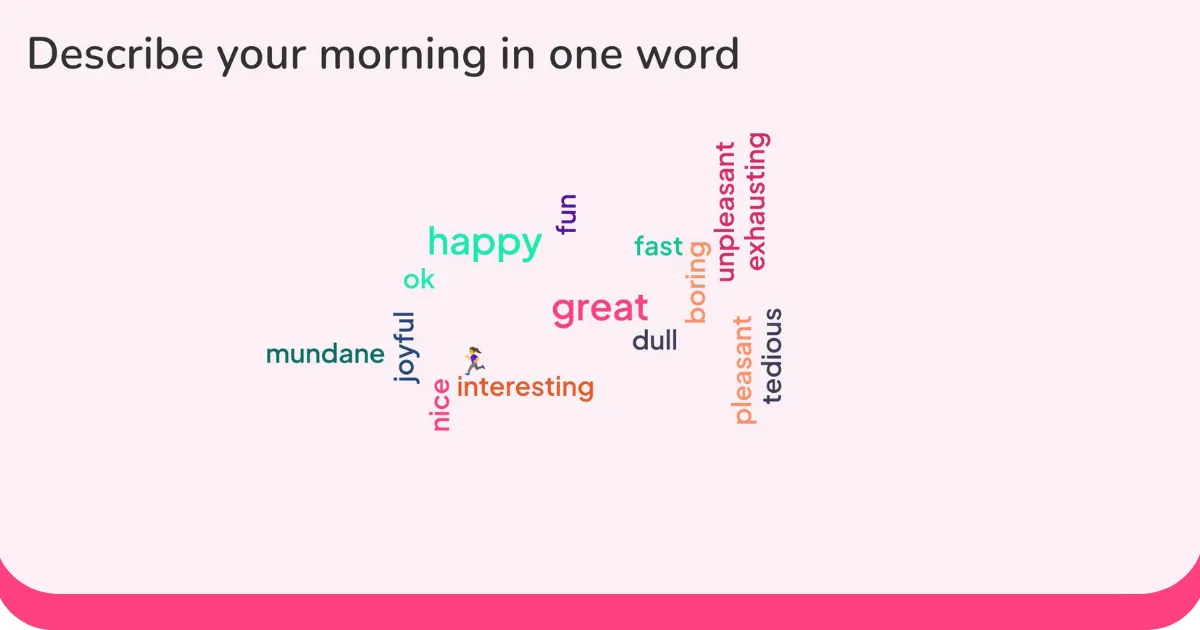
Sebagian besar presentasi berjalan searah. Anda berbicara. Mereka mendengarkan. Pada suatu titik perhatian mereka teralihkan, ponsel mereka muncul, dan sesi berlanjut tanpa mereka. Word cloud adalah salah satu cara paling sederhana untuk membalikkan dinamika tersebut, dan dapat dilakukan dalam waktu sekitar enam puluh detik.
Mekanismenya sederhana: Anda mengajukan pertanyaan kepada audiens Anda, mereka menjawab dengan kata tunggal atau frasa pendek, dan respons mereka muncul di layar dengan ukuran berdasarkan frekuensi. Jawaban yang paling umum akan muncul paling besar. Semua orang di ruangan tersebut dapat melihat perkembangannya secara real-time. Dalam satu slide, setiap orang di ruangan tersebut telah memberikan kontribusi dan dapat melihat bagaimana respons mereka dibandingkan dengan respons orang lain.
Pergeseran dari pasif ke aktif tersebut mengubah bagaimana keseluruhan presentasi diterima. Orang yang berpartisipasi lebih hadir daripada orang yang hanya menonton. Word cloud adalah cara yang mudah dan tidak membutuhkan banyak usaha. untuk menciptakan partisipasi tersebut kapan saja selama sesi berlangsung, dan alat ini berfungsi baik saat Anda mengajar di kelas, menjalankan pelatihan, memfasilitasi lokakarya, atau melakukan presentasi kepada tim kepemimpinan.
Panduan ini membahas mengapa word cloud efektif, kapan menggunakannya, dan bagaimana cara menambahkannya ke presentasi PowerPoint.
Mengapa word cloud efektif?
Nilai dari sebuah word cloud bukanlah pada tampilan visualnya, melainkan pada tindakan berkontribusi dalam pembuatannya.
Ketika Anda mengajukan pertanyaan kepada audiens dan menampilkan tanggapan mereka di layar, dua hal terjadi secara bersamaan. Pertama, orang merasa didengar: jawaban mereka benar-benar terlihat, ukurannya ditentukan oleh berapa banyak orang yang setuju. Kedua, orang menjadi penasaran: mereka ingin melihat apa yang dikatakan orang lain dan bagaimana tanggapan mereka dibandingkan. Kedua hal tersebut menghasilkan perhatian, yang merupakan hal yang selalu diperjuangkan oleh presentasi.
Word cloud juga memberikan informasi nyata. Pengecekan pemahaman di tengah presentasi memberi tahu Anda apakah peserta memahami bagian terakhir sebelum Anda melanjutkan ke bagian berikutnya. Pertanyaan pembuka tentang perasaan peserta memberi tahu Anda apakah Anda memulai presentasi dengan peserta yang terlibat atau teralihkan perhatiannya. Pertanyaan penutup tentang poin-poin penting memberi tahu Anda apa yang sebenarnya dipahami dibandingkan dengan apa yang Anda pikir telah dipahami. Umpan balik tersebut tersedia secara real-time, yang berarti Anda dapat menindaklanjutinya daripada baru mengetahuinya melalui survei pasca-sesi yang tidak dibaca siapa pun.
Cara menambahkan awan kata ke PowerPoint
Cara paling praktis untuk menambahkan word cloud langsung ke PowerPoint adalah melalui add-in yang menangani lapisan partisipasi audiens. AhaSlides memiliki add-in PowerPoint gratis yang melakukan ini tanpa mengharuskan audiens Anda untuk mengunduh apa pun. Mereka bergabung melalui kode QR atau tautan pendek, mengirimkan respons mereka di ponsel mereka, dan awan kata diperbarui di slide Anda secara real-time.
Berikut cara mengaturnya.
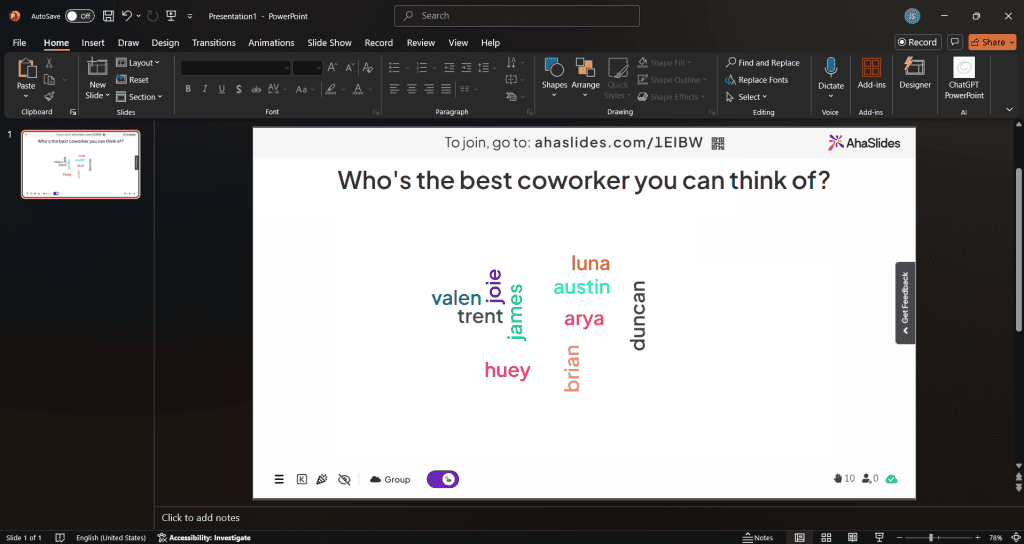
Untuk Memulai
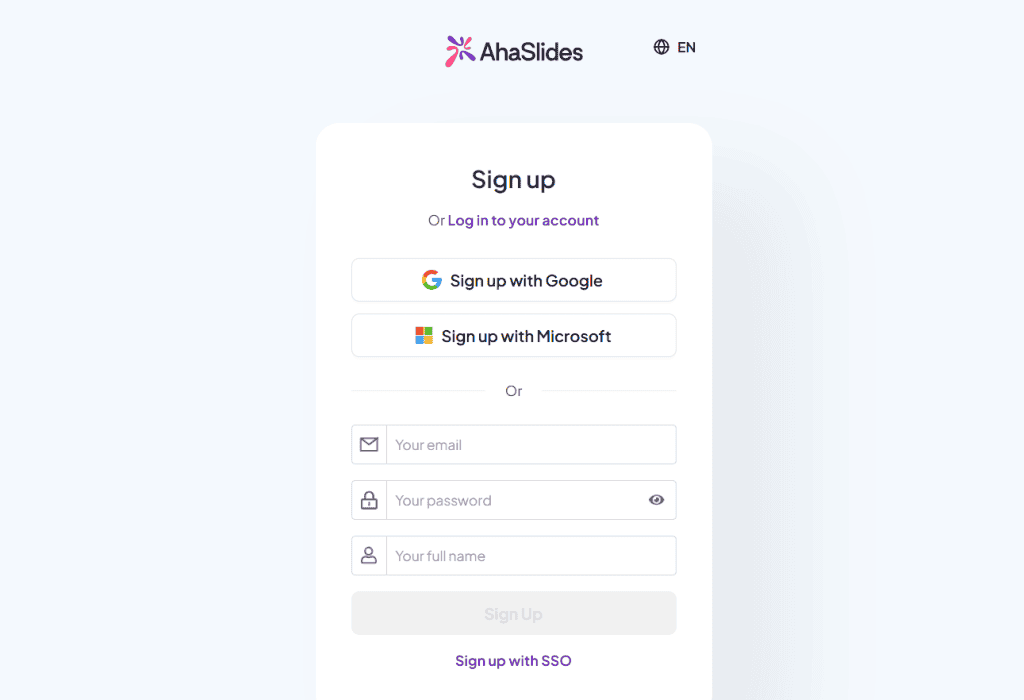
Buat gratis AhaSlides akun di ahaslides.comPaket gratis mendukung hingga lima puluh peserta, yang mencakup sebagian besar pengaturan kelas dan rapat. Pendaftaran hanya membutuhkan waktu sekitar dua menit.
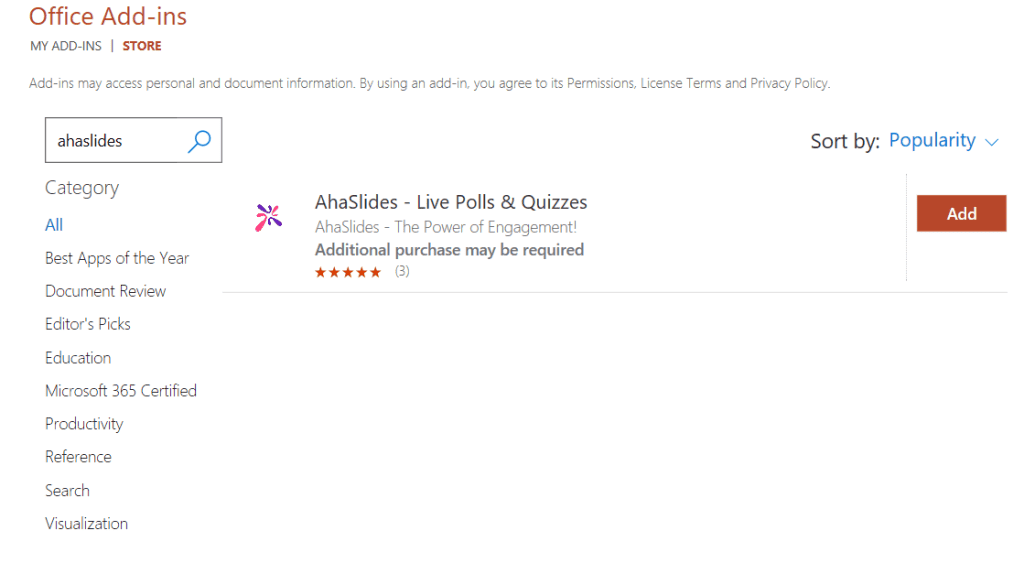
Di PowerPoint, buka tab Sisipkan dan klik Dapatkan Add-in. Cari AhaSlides Di Microsoft Store, klik Tambah, dan otorisasi integrasi. Jika Anda masuk ke PowerPoint dengan akun Microsoft kantor atau sekolah, add-in ini menawarkan Lanjutkan sebagai dengan alamat email Anda, sehingga terhubung AhaSlides Hanya butuh satu klik. Sebuah tombol akan muncul di pita PowerPoint Anda. Ini adalah instalasi satu kali yang akan tetap ada untuk semua presentasi di masa mendatang. Add-in ini juga berfungsi di PowerPoint untuk web, tanpa instalasi di desktop; di web, slide ditambahkan satu per satu.
Menambahkan awan kata ke slide Anda
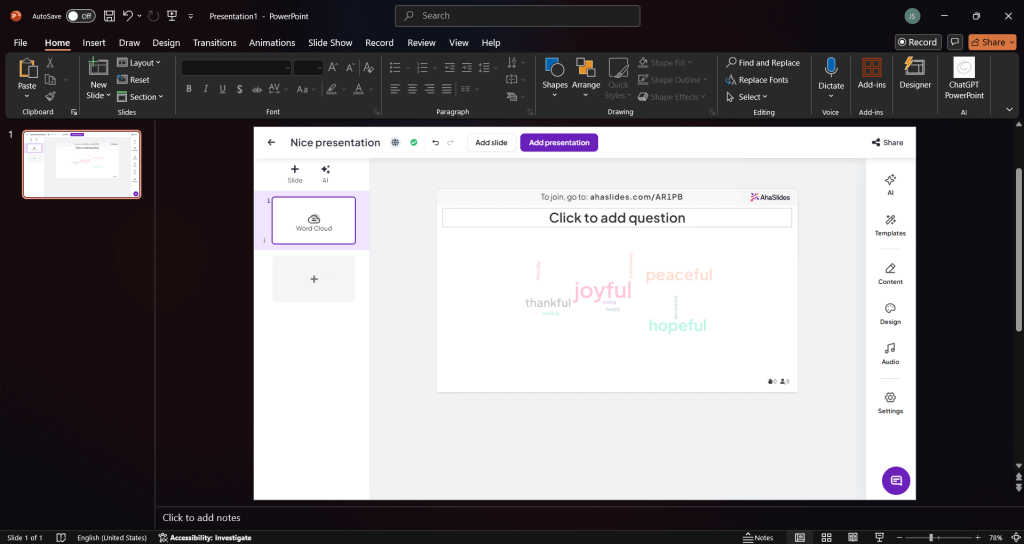
Buka presentasi Anda dan navigasikan ke slide tempat Anda ingin menampilkan word cloud. Klik AhaSlides Klik tombol di pita Anda dan pilih Word Cloud dari menu. Sebuah placeholder akan muncul di slide Anda yang dapat Anda ubah ukuran dan posisinya seperti elemen lainnya.
Menyiapkannya
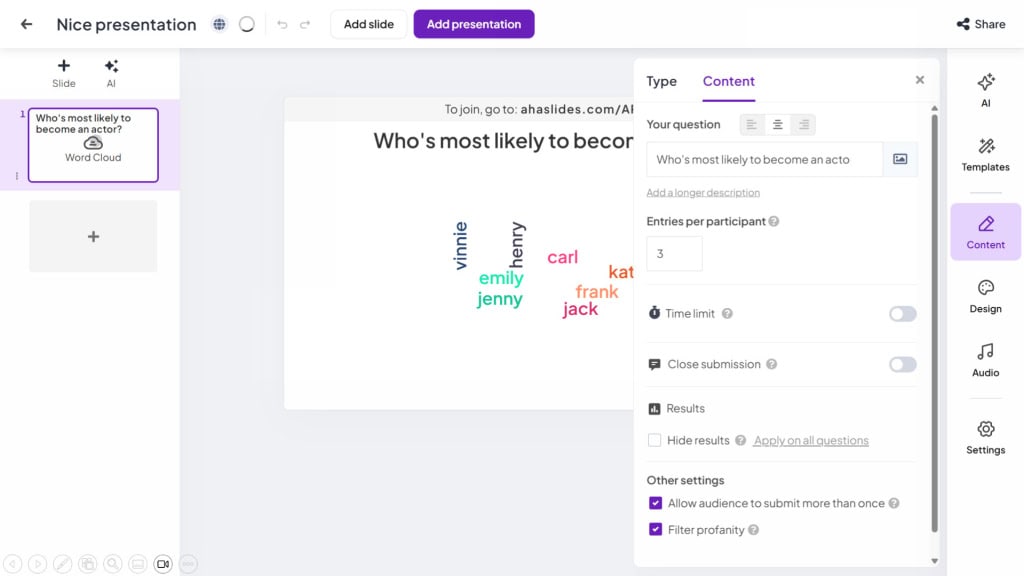
Klik tempat penampung untuk mengakses pengaturan. Yang terpenting adalah petunjuk: pertanyaan yang akan dijawab audiens Anda. Petunjuk yang samar menghasilkan respons yang samar. Petunjuk yang spesifik menghasilkan respons yang bermanfaat. "Apa kekhawatiran terbesar Anda tentang perubahan ini?" lebih baik daripada "Bagikan pendapat Anda." "Satu kata apa yang menggambarkan perasaan Anda saat ini?" lebih baik daripada "Bagaimana kabar Anda?"
Pengaturan lain yang perlu dipertimbangkan: penyaringan kata-kata kasar, yang sebaiknya diaktifkan untuk pengaturan kelas; jumlah entri per peserta, di mana pembatasan satu kata per orang cenderung menghasilkan respons yang lebih beragam dari lebih banyak orang; dan apakah akan menyembunyikan hasil selama pengiriman, yang mencegah respons awal memengaruhi respons selanjutnya. Semua pengaturan lainnya dapat tetap pada pengaturan default.
Menjalankannya selama presentasi Anda
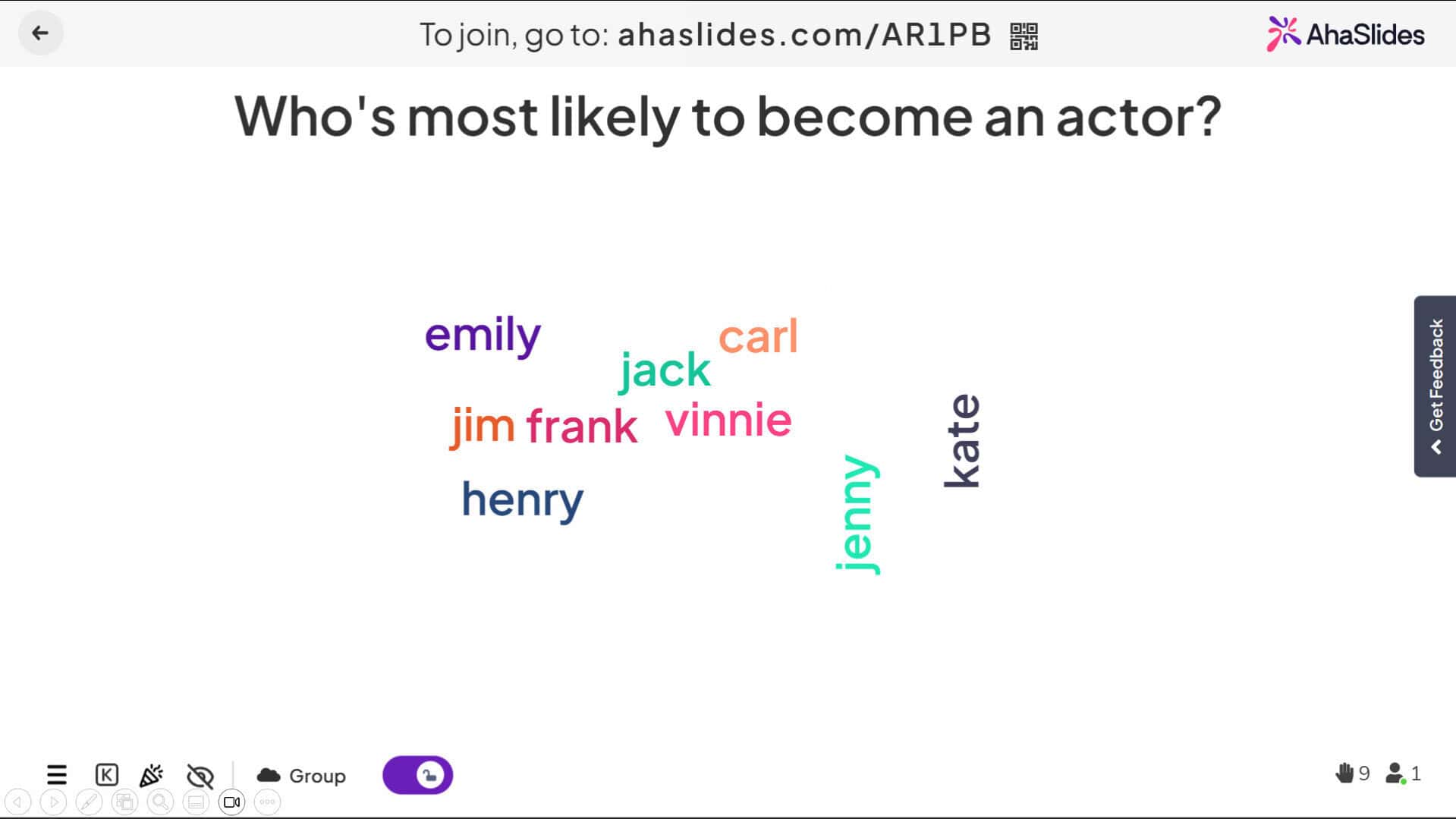
Saat Anda mencapai slide awan kata, klik AhaSlides tombol. Kode gabung dan kode QR akan muncul di slide Anda. Beri tahu audiens Anda: "Pindai kode atau kunjungi ahaslides.com dan masukkan kode ini, lalu ketik jawaban Anda."
Tanggapan akan muncul saat masuk. Beri waktu tiga puluh hingga enam puluh detik: cukup lama bagi sebagian besar orang untuk merespons, cukup singkat untuk menjaga momentum. Saat Anda siap menutupnya, klik Hentikan Tanggapan. Awan kata akan selesai dan Anda dapat mendiskusikan apa yang Anda lihat sebelum melanjutkan.
Satu catatan praktis: word cloud membutuhkan koneksi internet untuk mengumpulkan respons. Periksa wifi tempat acara sebelum Anda presentasi dan siapkan hotspot seluler sebagai cadangan jika koneksi tidak stabil.
Kapan menggunakan word cloud?
Word cloud paling efektif ketika Anda memiliki pertanyaan yang tulus dan benar-benar ingin mengetahui jawabannya. Dengan cara itu, word cloud menciptakan momen partisipasi yang nyata. Jika digunakan sebagai pengisi atau untuk memperpanjang bagian tertentu, word cloud terasa seperti apa adanya.
Berikut adalah lima situasi di mana metode ini selalu berhasil.
Membuka sesi
Memulai dengan "dalam satu kata, bagaimana perasaan Anda hari ini?" hanya membutuhkan sembilan puluh detik dan mengubah energi di ruangan. Anda langsung mengetahui siapa yang stres, terganggu, atau tidak terlibat sebelum Anda menggunakan gaya penyampaian yang tidak sesuai dengan ruangan. Siswa yang melihat kata mereka di layar merasa diperhatikan bahkan sebelum pelajaran dimulai. Tim yang berkontribusi pada pembukaan pelajaran akan lebih fokus pada materi daripada jika mereka tidak berkontribusi.
Memeriksa pemahaman di tengah sesi
Setelah menjelaskan suatu konsep, menanyakan "apa poin utama yang baru saja kita bahas?" akan memberi tahu Anda secara langsung apakah peserta memahami sebelum Anda melanjutkan. Jika respons menunjukkan pemahaman yang benar, Anda dapat melanjutkan dengan percaya diri. Jika respons menunjukkan kebingungan atau interpretasi yang sangat beragam, Anda tahu perlu menjelaskan ulang sebelum melanjutkan. Ini lebih bermanfaat daripada menanyakan "apakah semua orang mengerti?" yang hampir selalu menghasilkan keheningan terlepas dari seberapa besar kebingungan yang sebenarnya ada.
Mengumpulkan pendapat sebelum menyampaikan pendapat sendiri
Dalam sesi pelatihan tentang budaya atau nilai-nilai, menanyakan "apa satu kualitas yang paling Anda hargai dalam diri seorang rekan tim?" sebelum Anda menyampaikan materi akan menunjukkan apa yang sudah dipikirkan oleh peserta. Jika tanggapan selaras dengan apa yang akan Anda sampaikan, Anda dapat merujuk pada keselarasan tersebut. Jika tanggapan berbeda, Anda tahu di mana letak gesekannya sebelum Anda menghadapinya. Dengan cara apa pun, Anda bekerja sama dengan peserta, bukan hanya berkomunikasi dengan mereka.
Mengumpulkan ide-ide dalam sesi brainstorming.
Dengan mengajukan pertanyaan "apa satu solusi untuk masalah ini?", sebuah ruangan berisi dua puluh orang dapat menghasilkan dua puluh ide dalam enam puluh detik. Awan kata menunjukkan saran mana yang muncul berulang kali, yang menandakan ide-ide yang beresonansi di seluruh kelompok, bukan hanya suara yang paling lantang di ruangan itu. Ini adalah cara cepat untuk memunculkan pemikiran kolektif sebelum mempersempit pilihan.
Ditutup dengan tagihan untuk dibawa pulang
Mengakhiri sesi dengan pertanyaan "apa satu hal yang Anda dapatkan dari hari ini?" memberi tahu Anda apa yang sebenarnya tersampaikan, bukan apa yang ingin Anda sampaikan. Mungkin Anda menghabiskan sebagian besar waktu Anda untuk menganalisis data, tetapi tanggapan yang diterima terus kembali ke cerita pribadi yang Anda ceritakan secara sepintas. Itu adalah informasi yang berguna untuk presentasi Anda berikutnya. Hal itu juga memberi audiens Anda momen refleksi yang memperkuat pembelajaran mereka sendiri sebelum mereka pergi.
Tips untuk mendapatkan respons yang lebih baik
Perbedaan antara word cloud yang menghasilkan data bermanfaat dan yang menghasilkan kebisingan biasanya terletak pada pertanyaan yang diajukan. Pertanyaan yang samar akan menghasilkan jawaban yang samar pula. "Bagikan pendapat Anda" tidak memberi tahu audiens Anda jenis respons apa yang Anda inginkan. "Apa satu hal yang ingin Anda ubah dari proses ini?" memberi tahu mereka dengan tepat apa yang harus dipikirkan dan ke arah mana.
Jaga agar jangka waktu respons tetap singkat. Tiga puluh hingga enam puluh detik biasanya sudah cukup. Jangka waktu yang lebih panjang tidak menghasilkan respons yang lebih baik, melainkan memberi lebih banyak waktu bagi orang untuk ragu-ragu atau teralihkan perhatiannya. Ketegangan dalam jangka waktu singkat cenderung menghasilkan jawaban yang lebih jujur dan spontan daripada jangka waktu yang panjang.
Jangan terlalu menjelaskan mekanismenya. Satu instruksi yang jelas sudah cukup bagi audiens Anda: "Pindai kodenya, ketik satu kata, tekan kirim." Penjelasan yang lebih dari itu akan mengalihkan perhatian dari pertanyaan ke teknologi, yang merupakan kebalikan dari apa yang Anda inginkan.
Selalu diskusikan hasilnya sebelum melanjutkan. Word cloud bukanlah akhir dari interaksi, melainkan awalnya. Luangkan tiga puluh detik untuk membicarakan apa yang Anda lihat. "Saya perhatikan kepercayaan muncul berulang kali. Itu memberi tahu saya sesuatu yang penting tentang nilai-nilai yang dianut tim ini." Pengakuan tersebut menunjukkan kepada audiens Anda bahwa masukan mereka penting, yang membuat mereka lebih cenderung berpartisipasi di lain waktu saat Anda meminta.
Gunakan word cloud secukupnya. Dua atau tiga per presentasi biasanya sudah cukup. Word cloud efektif sebagian karena tidak terduga. Jika setiap slide meminta respons, kebaruannya akan hilang dan begitu pula peningkatan keterlibatan yang menyertainya.
Pertanyaan umum
Beberapa pertanyaan praktis sering muncul terkait word cloud dalam presentasi.
Bebas AhaSlides Paket berlangganan mendukung hingga lima puluh peserta, yang mencakup sebagian besar pengaturan kelas dan rapat. Paket berbayar mendukung audiens yang lebih besar jika Anda membutuhkannya.
Jika koneksi internet Anda terputus di tengah presentasi, word cloud akan berhenti mengumpulkan respons. Memeriksa wifi tempat acara sebelum Anda mulai dan memiliki hotspot seluler sebagai cadangan akan menghilangkan sebagian besar risiko ini. Pengecekan selama dua menit ini sangat bermanfaat.
Awan kata dapat disimpan. Ambil tangkapan layar selama sesi atau unduh gambar setelahnya melalui AhaSlidesKedua opsi tersebut sama-sama efektif jika Anda menginginkan catatan respons.
Presentasi hibrida sangat cocok dengan word cloud. Peserta yang hadir langsung dan peserta jarak jauh mengirimkan tanggapan melalui tautan yang sama secara bersamaan, sehingga word cloud mencerminkan masukan dari semua orang di ruangan tersebut, di mana pun mereka berada.
Jika Anda khawatir tentang kiriman yang tidak pantas, penyaringan kata-kata kasar akan secara otomatis mendeteksi sebagian besar masalah. Untuk situasi di mana perilaku menjadi perhatian serius, menyebutkan di awal bahwa tanggapan akan terlihat oleh semua orang cenderung menjadi pengingat yang cukup untuk pengaturan diri.
Membungkus
Word cloud membutuhkan waktu sekitar dua menit untuk disiapkan dan enam puluh detik untuk dijalankan. Dengan investasi waktu tersebut, Anda mendapatkan audiens yang berpartisipasi aktif, bukan hanya menonton secara pasif, data real-time tentang apa yang dipikirkan dan dipahami audiens Anda, dan momen yang cenderung diingat orang bahkan setelah sebagian besar slide berlalu.
Teknik ini berhasil karena benar-benar interaktif, bukan hanya interaktif secara penampilan saja. Audiens Anda tidak mengklik skenario yang sudah dibuat sebelumnya atau menonton animasi. Mereka memberikan kontribusi, melihat kontribusi tersebut tercermin, dan menyaksikan respons kolektif terbentuk secara langsung. Itu adalah pengalaman yang berbeda dari presentasi standar, dan mengubah bagaimana keseluruhan sesi berjalan.
Cobalah dalam presentasi Anda berikutnya. Mulailah dengan satu awan kata, tempatkan pada saat Anda benar-benar ingin mengetahui apa yang dipikirkan audiens Anda. Perhatikan apa yang terjadi di ruangan tersebut.