

The most effective ways to boost student classroom engagement are quick wins like live polls, competitive quizzes, and anonymous Q&A checkpoints, longer-term shifts like letting students teach part of a lesson, and online tactics like flipped learning and digital brainstorming. The 12 techniques below are grouped by setup time, from easy wins to bigger changes.
Stále to počúvame: skvelý učiteľ je veľkou motiváciou. Je to jednoduchá myšlienka, ale spočíva na koncepte, s ktorým pedagógovia bojujú už desaťročia: ako motivujem svojich študentov?
Nuž, demotivácia plodí demotiváciu. Ak nedokážete motivovať svojich študentov, ako sa môžete motivovať, aby ste ich učili?
It's a vicious cycle, but the 12 tips below for gaining student engagement can help you stop the rot.
Why does student classroom engagement matter?
It's easy to write off disengaged students as unsalvageable, or to treat "student engagement" as a concept only for teachers with time to spare. It isn't: engagement is measurable, and the data below shows exactly what's at stake.
- 53% amerických študentov je not engaged or aktívne odpojený na hodinách. (Gallup) (Note: This figure reflects historical Gallup data. Gallup's 2025 Voices of Gen Z study found student engagement at record-high levels.)
- U angažovaných študentov je 2.5-násobne vyššia pravdepodobnosť, že skonštatujú, že dostanú vynikajúce známky v škole, (Gallup)
Disengagement is an epidemic, but there are always techniques to stop it. These ways to boost student classroom engagement will help you rekindle your students' curiosity, whether offline or online.
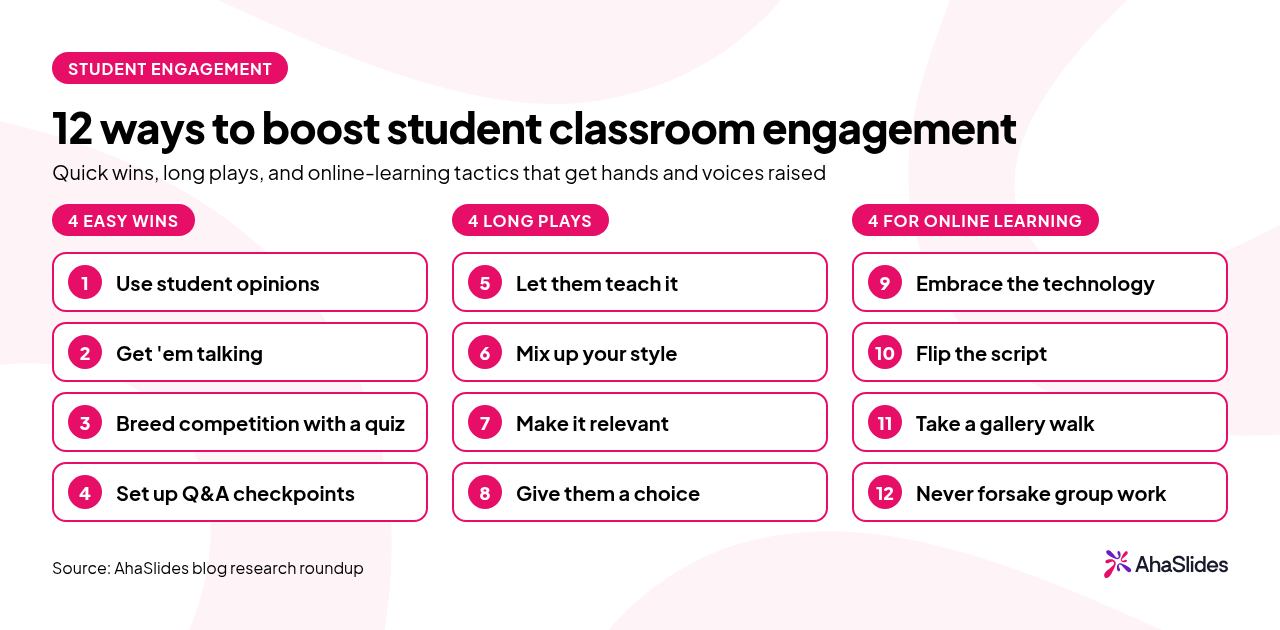
4 easy wins
These four techniques are the najrýchlejší a najjednoduchšie ways to capture student interest, at any level.
1. Use student opinions
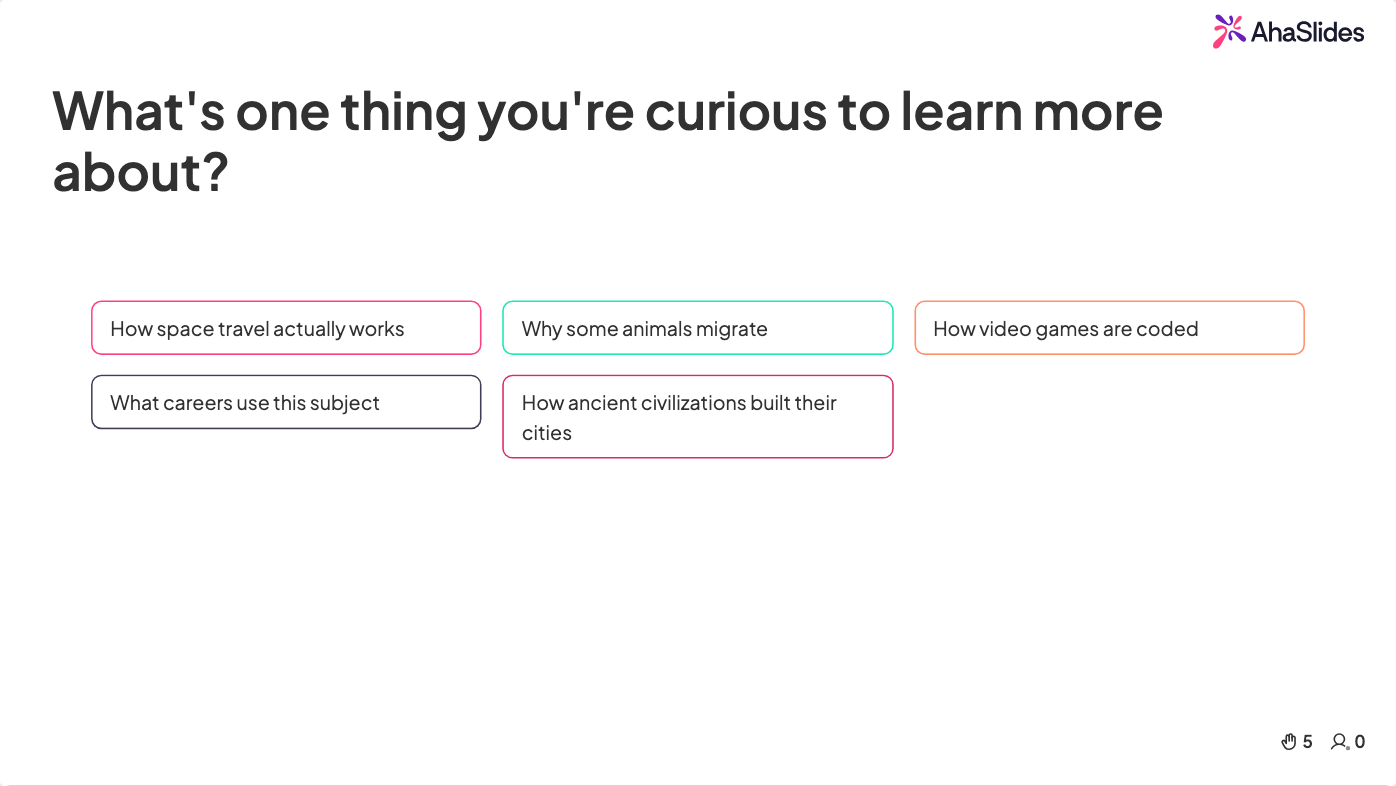
Polls are decisive because polls connect your subject matter with the center of any young person's universe: themselves.
I kid. Still, letting them prispieť svojim názorom, and seeing how it fits within the bigger picture, dokáže zázraky za pozornosť študentov.
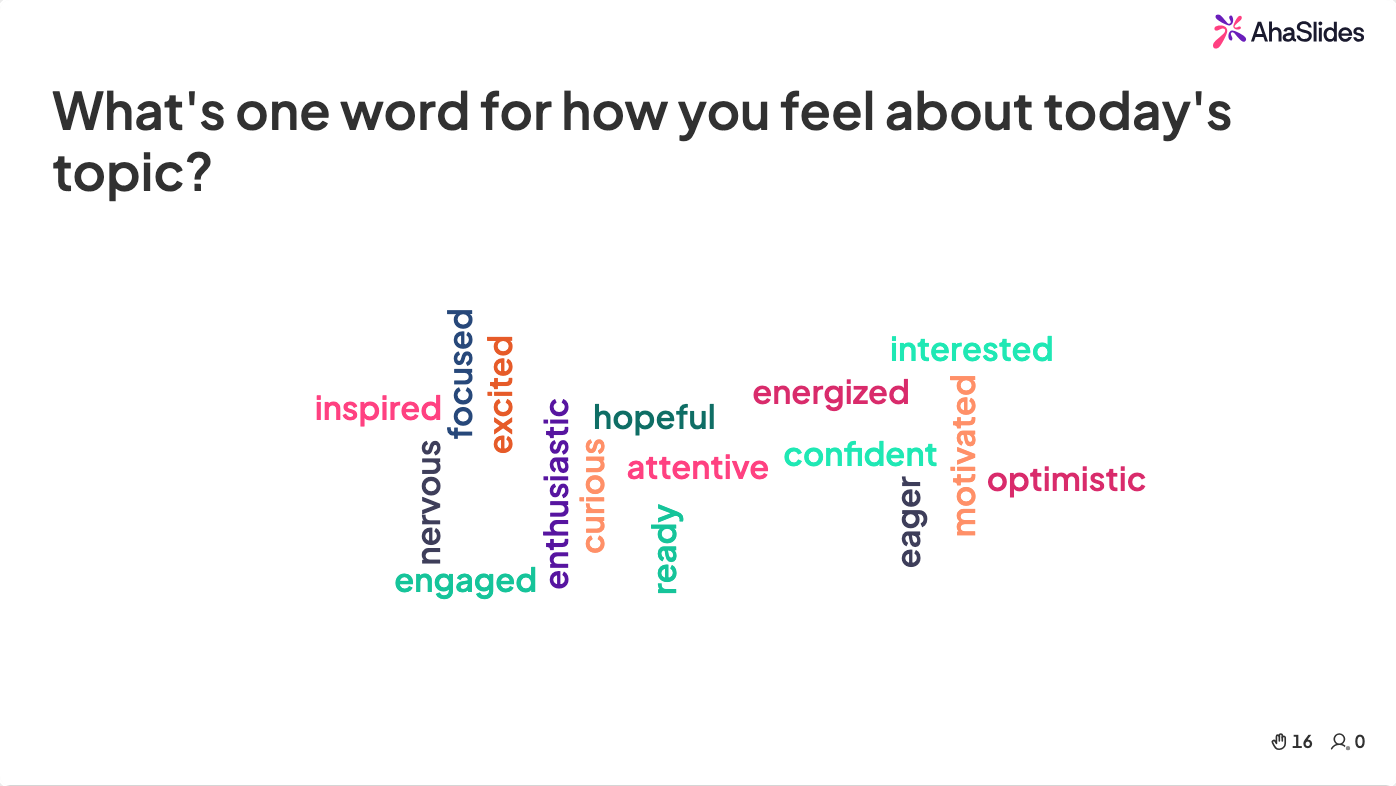
Giving them a voice in your lesson has real benefits, but the best is letting students know that ich názor, nie váš subject matter, is the star of the show.
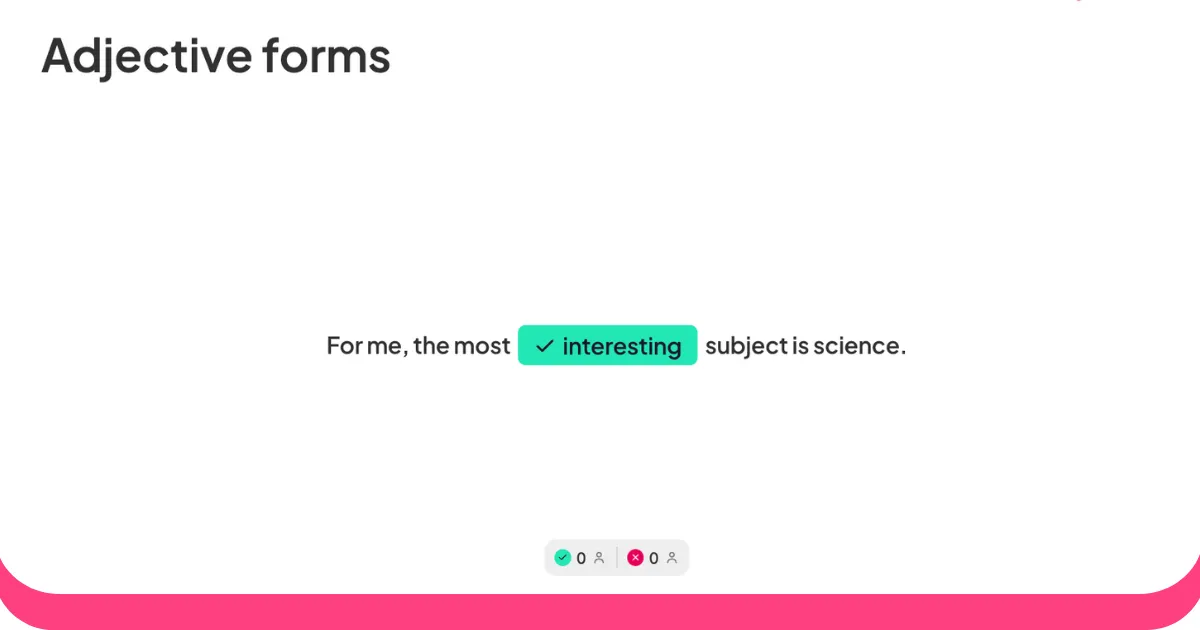
Here's an example ESL lesson question.
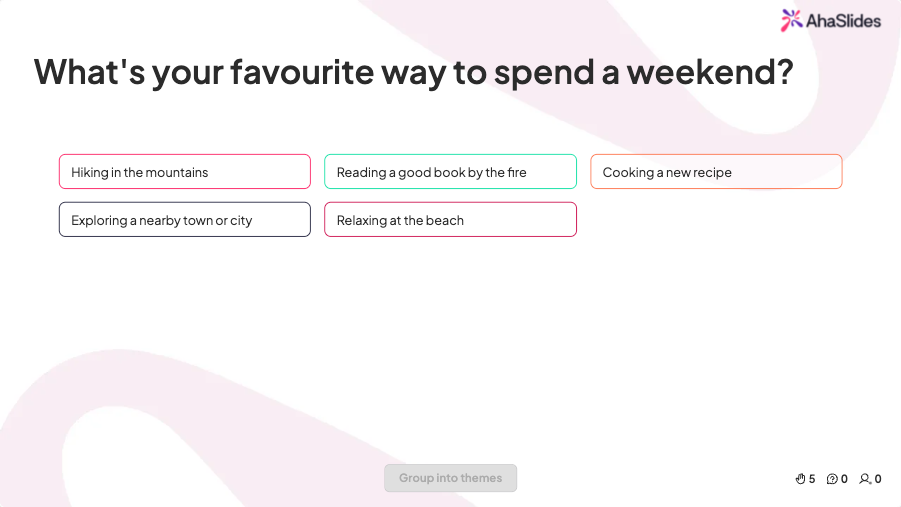
Táto anketa je skvelá na zapojenie, pretože:
- Otázka je o je.
- Študenti môžu okamžite vidieť, aký je ich názor hromadí sa s ostatnými okolo nich.
- Vy ako učiteľ sa môžete dozvedieť o aspektoch svojich študentov, ktoré ste predtým nepoznali.
2. Get 'em talking
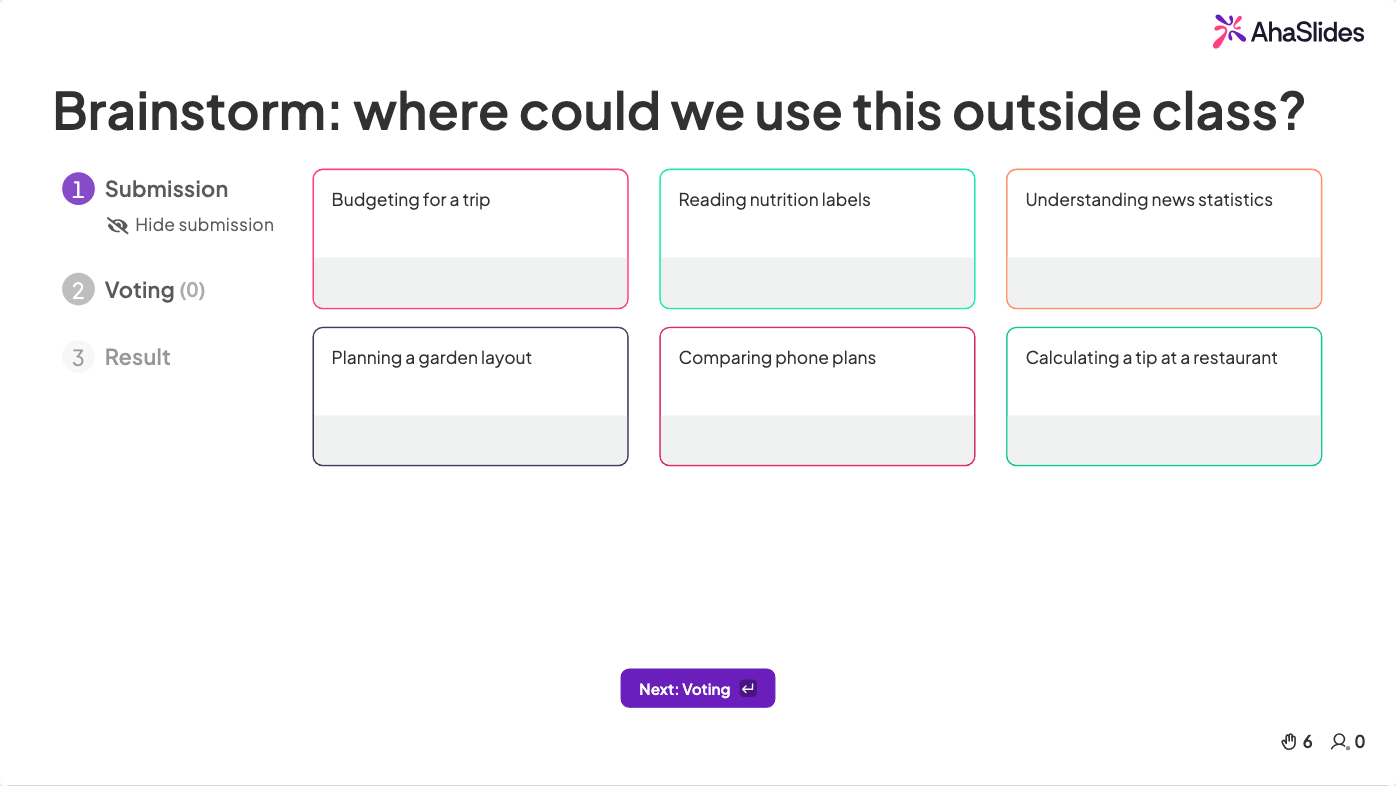
There's one learner engagement strategy that's more comprehensive than a poll: a full-blown discussion.
Getting students to voice nuanced opinions is one of the ultimate dreams of teaching, but it lives on the finest of lines between nikto nehovorí a absolútny chaos. That's why tech exists.
Ed-tech tools that encourage písomné odpovede to open-ended questions help everyone's voice be heard while keeping things úplne usporiadané.
Once submitted, each answer enters a level playing field with all the others: read them out and elicit discussion from the board.
A plaché deti? Svoju odpoveď môžu zadať anonymne, so there's no fear of judgment, a simple boost to engagement for the self-conscious students in every class.
Chcete si prečítať viac? 💡 Máme pre vás kompletného sprievodcu ako viesť študentskú debatu v 6 krokoch!
3. Breed competition with a quiz
Competition is absolute gold dust for teachers, yet aside from a haphazard star-reward system, it's still wildly underused as a classroom engagement strategy.
Súťaže majú veľa čo ponúknuť vo vzdelávaní, bez ohľadu na to, aký je váš názor... a mali by sa tešiť širšiemu prijatiu.
Doktor Tom Verhoeff, Technická univerzita v Eindhovene.
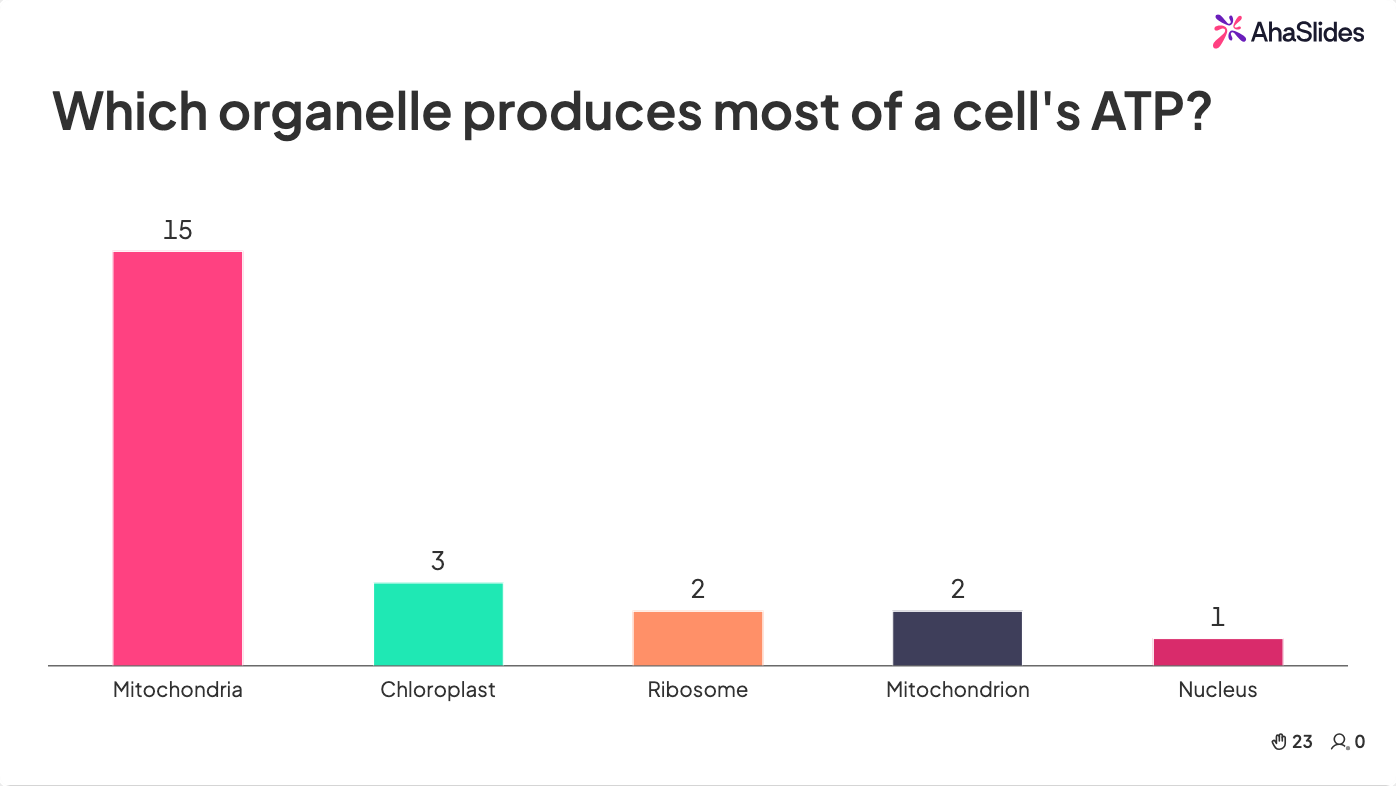
What's one of the most engaging types of competition in adult life? A live quiz, if you're anything like me. Not exams or tests, but a good quiz with a leaderboard, fun, drama, and one hugely engaged crowd.
Živé kvízy sú vynikajúcimi motivátormi študentov na hodinách.
Whether solo or in teams, competing against peers creates a whirlwind of engagement, and high stakes (a good prize) make quizzes one of the most effective techniques here.
Tu je niekoľko tipov na vytvorenie skvelého vzdelávacieho kvízu:
- Nechajte si asi 10 otázok: Let your students get into it, but don't let them tire of it.
- Zmiešajte náročnosť: Keep everyone on their toes.
- Použite technológiu: In my personal experience, pen-and-paper quizzes are hard to manage in a big class. Try running your quiz on profesionálny softvér Edtech.
protipo 👊 Zmiešajte veci s a Duck race. You can try different formats, like the Preteky o milión dolárov, alebo ho použite ako bonus pre váš kvíz!
4. Set up a Q&A session
One of the biggest contributors to disengagement isn't behavior, it's chápanie. However good the material is, students who don't understand it stop paying attention.
Sure, you can ask if they follow a new concept, but how many self-conscious students will admit it in front of everyone?
Vo veku Edtechu je odpoveď Kontrolné body otázok a odpovedí. Tu je dôvod, prečo fungujú:
- Sú anonymné: Students can remain nameless and ask anything without fear.
- Sú detailné: Students have time to thoughtfully lay out what they don't understand.
- They're organized: All answers are written, can be sorted into different categories and remain permanent.
4 long plays
These four techniques are a long game: small changes that take čas na pochopenie a nastavenie. Once you've got them down, they're some of the most engaging techniques in the classroom.
5. Let them teach it
One tragedy of classroom disengagement: 85% školských úloh are too rigid to allow for higher-order thinking skills, which is often exactly what makes lessons engaging.
This is hard for a teacher to overcome alone, but giving students zodpovednosť za výučbu časti učiva je fantastický prostriedok.
Cycle back to your own teacher training: were you more engaged during textbook exercises, or facing a room of young faces during an observed practical?
A few tips on turning students into teachers:
- Robte to postupne. Students need time and practice to teach anything, even small groups, so space it out across the year.
- Nech je to načasované. A brief slot keeps them from feeling overwhelmed, and watching the clock together teaches them that time is a crucial factor in teaching.
- Pozdvihnite svoje očakávania. Študenti sú často schopní spôsob viac, ako im dávame uznanie. Dajte im výzvu a sledujte, ako sa s nimi stretávajú.
6. Mix up your style
Offering varied activity formats keeps lessons engaging for diverse learners. The VAK model (Visual, Auditory, Kinesthetic) is a familiar framework from teacher training, but research hasn't validated learning styles as fixed categories: what the evidence supports is that variety itself boosts engagement. Students benefit from a mix of activity types not because they're locked into a "style," but because dôsledná stimulácia across formats keeps everyone tuned in.
For every lesson, aim to include a mix of formats, such as:
- (Vizuálne) Illustrating concepts, taking notes, watching videos, playing quizzes.
- (Sluchové) Listening to podcasts, having discussions, reading aloud, creating music.
- (Kinesthetic) Doing experiments, creating something physical, roleplay, moving around the classroom.
It's more work, but worth it: as lessons become less predictable, students stay tuned in longer.
7. Make it relevant
When I was teaching English in Vietnam, I noticed that all textbooks exclusively referenced British or American culture. My Vietnamese students found nothing relevant to their own culture in the lessons and tuned out as a result, which lines up with research from the Národná rada učiteľov angličtiny (NCTE) showing that irrelevant material drives disengagement.
The problem goes beyond culture: if there's nothing in your lessons for students to relate to, why should they bother learning it? For teenage students especially, linking your topic to their interests is essential.
A jednoduchý prieskum can uncover these interests. Connecticut's Interest-a-Lyzer is dated, but its questions can be repurposed for your own survey to shape lessons around what comes back.
8. Give students a choice
For older students, activities need two things: relevance (which we just discussed) and choice.
At an age when your students are finding their way in the world, the choice is everything. Education rarely offers learners choice, but giving them choices in the classroom can boost their motivation.
A few ways to incorporate choice into your classroom:
- Aktivity: Provide a bunch of activities as an exercise, then let students choose.
- štruktúra: Lay out the lesson's structure and let them choose how they want to proceed.
- výzdoba: Let them have a say in the layout of the classroom.
Introduce choice slowly: most students get so little choice at school that they're often unsure what to do with it.
Chcete si prečítať viac? 💡 Pozrite sa tento vynikajúci účet o tom, ako učiteľ zvýšil pozornosť študentov tým, že ponúkol možnosť výberu.
4 for online learning
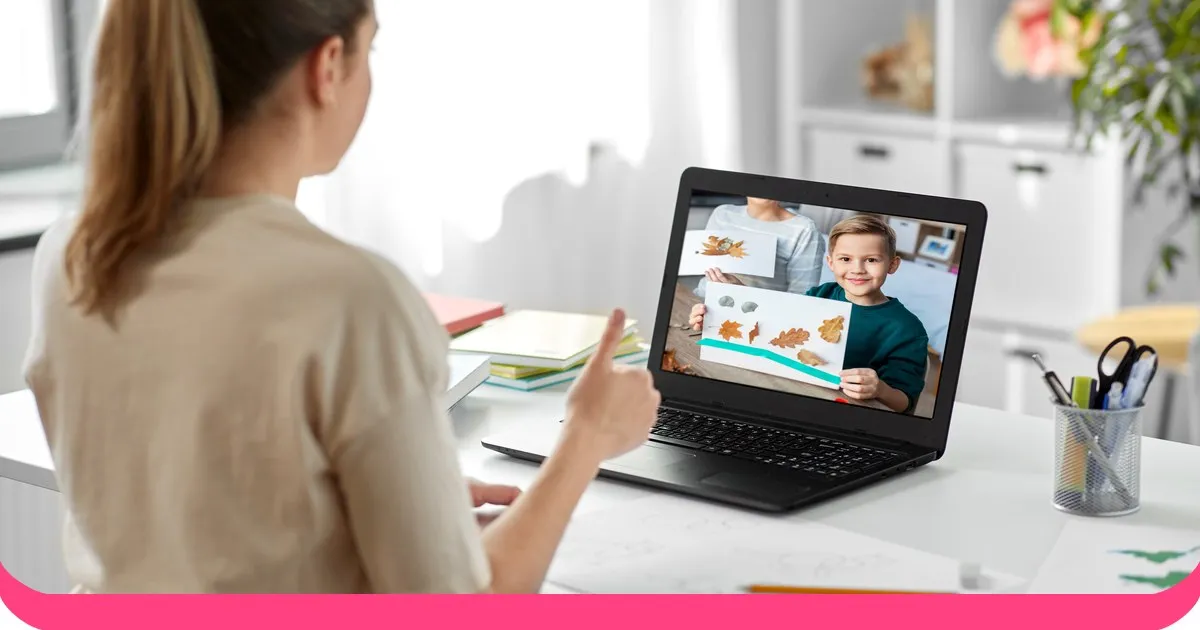
Online learning is becoming more widespread, but keeping students motivated across distances keeps getting tougher. Here are 4 tips to try something different in your vzdialená učebňa, Alebo získajte tu veľa ďalších!
9. Embrace the technology
When most lessons went online in 2020, teachers understandably stuck with the offline methods they knew. That worked at first; it won't fly now. Live polls, quizzes, and collaborative whiteboards now let a remote teacher check understanding in real time instead of waiting for a hand to go up, or for one, on a call nobody unmutes.

Málo zadarmo tools worth trying in online lessons:
- AhaSlides 📊: presentation software for živé prieskumy verejnej mienky, online kvízy, and brainstorms.
- Kresliť 📷: photo and graphic design, with stock photos and effects.
- Canva 🖌️: templates for posters, images, and brochures.
- Miro 🗒️: a communal whiteboard for brainstorming together in real time.
- Microsoft Teams pre vzdelávanie 📹: video assignments and responses.
Students have a natural curiosity for technology. Just don't overdo it: too many new tools at once gets distracting.
10. Flip the script
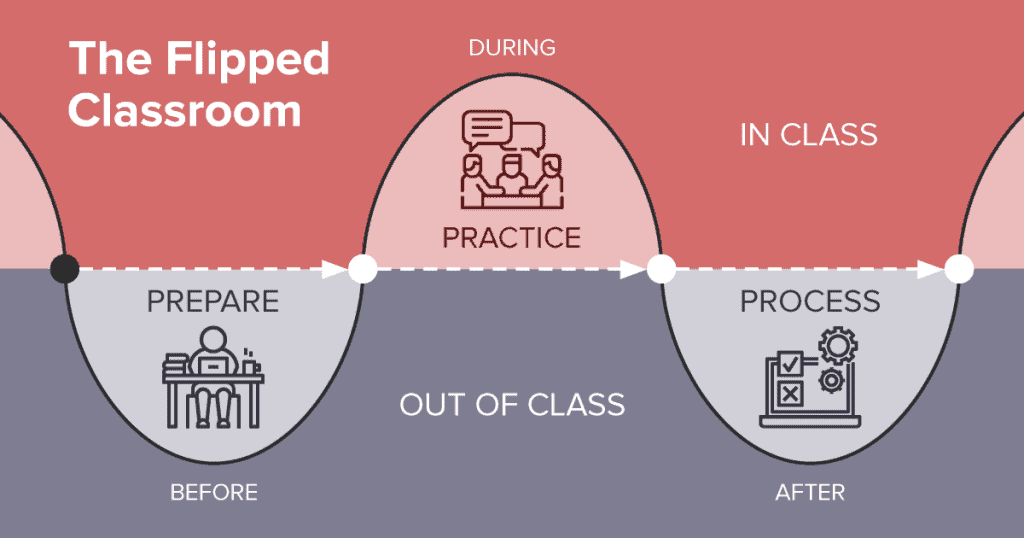
"Flipped learning" means students learn concepts at home, then use class time to discuss and solve related problems: the usual schoolwork/homework relationship, flipped. In remote schooling, where both happen at the same desk, it's about swapping synchronous work (with the live teacher) and asynchronous work (without).
There's a lot of evidence pointing toward a flipped-learning revolution in remote schooling. One encouraging stat: in prieskum z Flipped Learning Network, 80% of teachers who tried the method reported zlepšená motivácia študentov.
Some of the benefits of flipped learning for increasing student participation:
- In class, students participate vlastným tempom, with lower- and higher-ability students each working at the right level.
- viac autonómie over their own studies puts students in control, a hugely motivating factor.
- Otočené učenie dáva študentom niečo urobiť rather than making them passive recipients of information.
Chcete to vyskúšať? Vyskúšajte to vo svojej ďalšej online triede:
- Pred lekciou: Share a folder of topic material (videos, podcasts, lectures, readings) and have students work through it.
- Na začiatku hodiny: Run a quick quiz to gauge understanding, then group students by level.
- Počas hodiny: Predložte každej skupine stimulujúce aktivity (diskusie, spolupráca, riešenie problémov) na upevnenie porozumenia.
Chcete si prečítať viac? 💡 Pozrite sa na tento skvelý úvod k prevrátenému učeniu Lesley University
11. Take a gallery walk
How much more motivated would you be if your work was shown to your peers? That's the idea behind a gallery walk: a slideshow where students' work is displayed for everyone to see, and viewers note their observations and feelings on each piece.
Why it's such a great student-classroom engagement activity:
- Zvyšuje sa motivácia študentov prostredníctvom ich inherentného pocitu konkurencie.
- Zvyšuje sa zameranie študentov pretože sa pozerajú na diela svojich rovesníkov a nie niekoho, kto s nimi nemá nič spoločné.
- Zvyšuje sa študentská sloboda prejavu, ktorý je vždy pozitívny pre motiváciu.
It's super simple to set up: just create a presentation with room for comments, like the one below.
12. Never forsake group work
Of all the learning formats that fell by the wayside in the shift to distanced learning, the biggest casualty was group work. At a time when students needed sociálna interakcia a spolupráca most, many teachers decided translating group work to the online world was impossible, leaving students feeling isolated from their classmates.
To si vyberá krutú daň na motivácii študentov. A few group work tips to fight it:
- Poskytnite im prístup k softvéru na zdieľanie súborov, ako je napríklad Disk Google.
- Poskytnite im prístup k softvéru kanban (na zadávanie úloh), napríklad Trello.
- Use "breakout rooms" on Zoom and other video calling software to simulate real-world group work.
- Rozdelte veľké projekty na niekoľko malých úloh, ktoré sa majú dokončiť v skupinách.
Často kladené otázky
What are the best strategies for student classroom engagement?
Mix quick wins with longer-term changes: live polls and word clouds to capture opinions, competitive quizzes with a leaderboard, anonymous Q&A checkpoints for shy students, and letting students teach part of a lesson. For online classes, flipped learning and digital brainstorming close the distance gap.
How can teachers increase student engagement in online classes?
Swap passive video calls for tools that require a response from every student, not just the ones who unmute. Live polls, quizzes, and collaborative whiteboards let a remote teacher check understanding in real time, and flipped learning keeps sessions active rather than lecture-only. More tactics: improving student engagement in online classrooms.
What are signs of low student engagement in the classroom?
Silence when questions are asked, low hand-raising, missing assignments, visible distraction, and the same few students doing all the talking. A quick anonymous check-in, like a poll or word cloud, usually surfaces disengagement faster than waiting for grades to drop.
Ako meriate angažovanosť študentov v triede?
A few reliable methods:
- Observational scales: on-task behaviors like participation and eye contact.
- Time on task: the percentage of time students stay actively engaged.
- Student self-reports: short surveys on attention, value, and enjoyment.
- Participation logs: hands raised and discussion contributions.
Aké sú výhody zapojenia sa do triedy?
Students who are more engaged show better test scores, project quality, and retention of learning. Engaging lessons make learning more enjoyable and give students ownership, fueling motivation.
Zdroje
[1] Gallup, "School Engagement Is More Than Just Talk": https://www.gallup.com/education/244022/school-engagement-talk.aspx
[2] Remind, engagement and distanced-learning data: https://www.remind.com/blog/engagement-data
[3] Dr. Tom Verhoeff, "The Role of Competitions in Education" (Eindhoven University of Technology): https://www.researchgate.net/publication/228714944_The_role_of_competitions_in_education
[4] The Education Trust, "Checking In": https://edtrust.org/wp-content/uploads/2014/09/CheckingIn_TheEducationTrust_Sept20152.pdf
[5] National Council of Teachers of English (NCTE), research brief: https://cdn.ncte.org/nctefiles/resources/positions/chron0907researchbrief.pdf
[6] University of Connecticut, "Interest-A-Lyzer": https://nrcgt.uconn.edu/wp-content/uploads/sites/953/2015/07/cc_ialsecond.pdf
[7] Flipped Learning Network, teacher survey: https://uploads.panopto.com/2015/06/Flipped-Classroom-Infographic.jpg