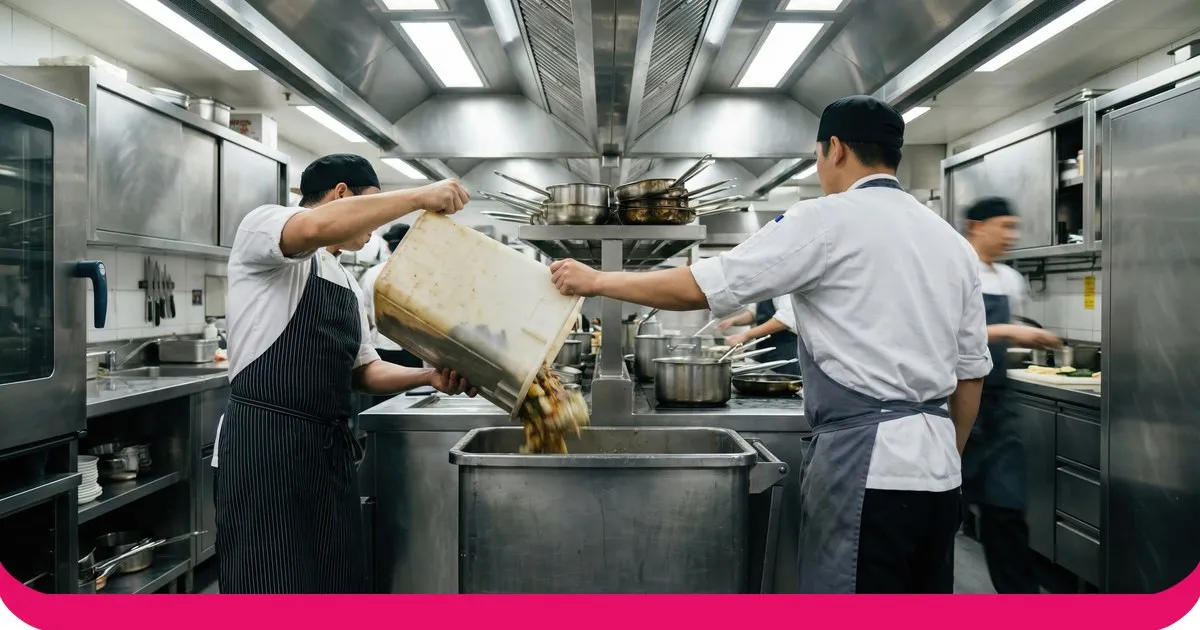


Isinulat para sa mga direktor ng pagsasanay sa hospitality at mga lead ng operasyon ng restaurant o hotel na gustong agad na malutas ng mga server at staff sa desk ang mga alalahanin ng mga bisita, sa loob ng mga limitasyong napagkasunduan na ng negosyo nang maaga.
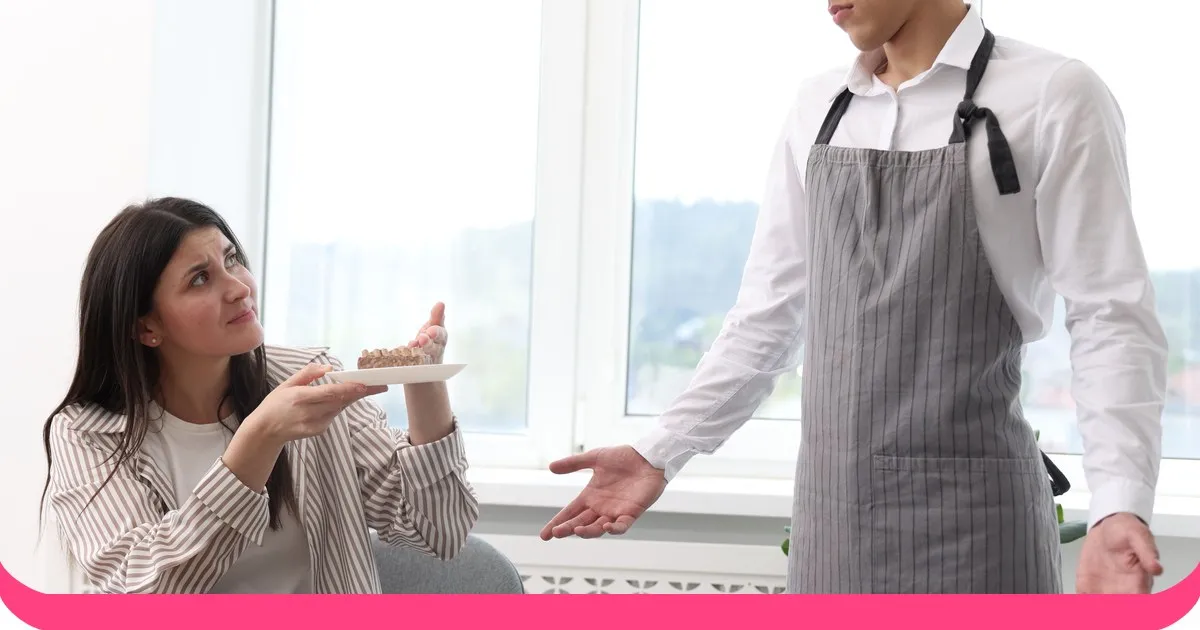
Isang panauhin sa mesa dose ang nagsabing malamig na ang kordero. Nasa kalagitnaan ng shift ang server, nasa bodega ang manager, at may tatlong iba pang mesa na naghihintay. Maaaring umalis ang server para maghanap ng tao, o tumawag: palitan ang pinggan, humingi ng tawad, mag-alok ng inumin mula sa kumpanya. Ang ligtas, mabilis, at patas na tawag ay hindi gaanong nakasalalay sa personalidad ng server kundi sa tatlong bagay na kinokontrol ng negosyo: kung ano ang pinapayagang gawin ng server, kung nasanay na ba sila sa paggawa nito, at kung ano ang mangyayari pagkatapos.
Ipinapakita ng gabay na ito kung paano ito buuin, hakbang-hakbang. Sinasaklaw nito ang mga kondisyon ng pagpapatakbo, isang paglalakbay sa pagkatuto batay sa pag-uugali, isang senaryo na isinagawa, isang halimbawang rubric at kung ano ang susukatin. Ang senaryo rito ay isang ilustrasyong isinulat para sa gabay na ito, hindi isang dokumentadong kaso ng customer.
Ano ang ibig sabihin ng "lutasin ang isang reklamo nang mag-isa"?
Nangangahulugan ito na ang isang empleyado sa harap ng kumpanya ay pumipili ng tugon sa isang alalahanin ng bisita at kikilos dito nang hindi muna humihingi ng tulong sa isang manager, sa loob ng isang nakasaad na limitasyon sa pagpapataas ng singil. "Sa loob ng tinukoy na awtoridad" ang pangunahing parirala. Walang humihiling sa isang server na gumawa ng patakaran sa refund. Hinihiling mo sa kanila na piliin ang tamang opsyon mula sa isang set na naaprubahan na ng negosyo, at kilalanin kung kailan ang sitwasyon ay nasa labas nito.
Madalas itong tinatawag ng mga hospitality team na service recovery: ang mga aksyon na ginagawa upang maitama ang mga bagay-bagay matapos magkamali ang isang bisita. Ang pagsasanay para dito ay hindi isang script na dapat isaulo. Ito ay isang kasanayan sa pagpapasya, kaya dapat itong ituro at tasahin na parang isang kasanayan.
Ito ba ay isang kakulangan sa kasanayan o isang kakulangan sa mga kondisyon?
Bago bumuo ng anumang pagsasanay, suriin kung bakit kasalukuyang pinapataas ng mga kawani ang lahat. Apat na dahilan ang mukhang magkapareho mula sa simula at nangangailangan ng iba't ibang solusyon:
- Isang nawawalang kasanayan. Hindi talaga alam ng server kung paano makinig, sumukat ng kalubhaan, o humingi ng tawad. Nakakatulong ang pagsasanay dito.
- Hindi malinaw na awtoridad. Walang nagsabi kung ano ang maaaring ialok ng server. Walang limit na maitutukoy ang kahit gaano karaming ensayo.
- Mga gradient ng awtoridad. Alam ng mga kawani ang limitasyon ngunit natatakot silang pagdudahan. Kung ang isang nakaraang desisyon ay nabaligtad sa harap ng bisita, ang aral na natutunan ay "palaging magtanong".
- Mga Insentibo. Kung ang tanging nakikitang bunga ng pagkilos nang mag-isa ay ang paninisi, ang pagpapalala ang mas mainam na pagpili.
Kausapin muna ang mga superbisor at ilang mga server. Ituring ang iyong palagay na "ang pagsasanay ang problema" bilang isang hipotesis, hindi isang katotohanan. Kung dalawa hanggang apat na dahilan ang nangingibabaw, ayusin ang mga ito bago ka bumuo ng isang aktibidad lamang.
Ano ang mga dapat gawin bago magsanay ang mga kawani?
Ang pag-eensayo nang walang suporta ay nagtuturo sa mga kawani na umasa ng pagasaway sa bandang huli. Ayusin muna ang mga kundisyong ito.
Isulat ang mga limitasyon ng awtoridad. Isang simpleng talahanayan ang gumagana: ang uri ng alalahanin (temperatura ng pagkain, maling order, mahabang paghihintay, pagkakamali sa pagsingil, ingay o ginhawa), kung ano ang maaaring ialok ng empleyado nang mag-isa (kapalit, paghingi ng tawad, isang maliit na komplimentaryong item hanggang sa nakasaad na halaga) at ang punto kung kailan dapat nilang isama ang isang manager (mga alalahanin sa kaligtasan o allergy, pinsala, diskriminasyon, anumang bagay na higit sa limitasyon). Magkaroon ng operasyon, pananalapi at, para sa mga usapin sa kaligtasan, sinumang may-ari ng mga pamamaraan sa kaligtasan ng pagkain na aprubahan ito.
Sumang-ayon kung paano tutugon ang mga pinuno. Magpasya nang maaga kung paano tutugon ang isang superbisor kapag ang isang server ay kumilos nang lampas sa limitasyon ngunit iba ang kanilang pipiliin. Ang napagkasunduang sagot ay: iharap ang server sa harap ng bisita, talakayin ito nang pribado pagkatapos, at baguhin ang patakaran kung ang patakaran ang problema.
Magpasya kung paano babalik sa iyo ang mga alalahanin. Kung agad na mareresolba ng mga kawani ang mga bagay-bagay, hindi na makakakita ng mga reklamo ang mga tagapamahala. Maglagay ng talaan ng mga pangyayari (kung ano ang nangyari, ano ang inialok, kung nasiyahan ba ang bisita) upang maabot pa rin ng mga taong makakaayos ng kanilang mga sanhi ang mga pangyayari.
Maglagay ng mga tauhan sa sahig kaya posible ang pag-arte. Hindi maaaring huminto ang isang server na sumasakop sa napakaraming mesa para sa isang maayos na pag-uusap. Ang pagbibigay-kapangyarihan nang walang kapasidad ay nagpapagalaw lamang ng presyon.
Paano dapat idisenyo ang paglalakbay sa pagkatuto?
Ang Eberly Center ni Carnegie Mellon ay nagbibigay ng isang simpleng punto na naaangkop nang higit pa sa mga unibersidad: ang mga pagtatasa, mga layunin sa pagkatuto, at mga aktibidad sa pagtuturo ay dapat na magkatugma upang mapalakas nila ang isa't isa. Kung ang layunin ay mag-aplay isang desisyon, isang pagsusulit na sumusubok lamang sa pag-alala ay hindi magsasabi sa iyo kung kaya ba itong gawin ng mga tao. Para sa pag-uugaling ito, ang hinihingi ng gawain ay ang paglalapat ng isang patakaran sa isang kaso, pagsusuri kung ano ang kailangan ng bisita, at pagsusuri kung aling opsyon ang angkop. Itugma ang tatlong yugto dito.
Paghahanda (sa sarili mong bilis). Sinusuri ng mga kawani ang talahanayan ng awtoridad at ang mga prinsipyo ng pagbawi ng serbisyo sa sarili nilang bilis, pagkatapos ay kinukumpleto ang isang maikling pagsusuri sa mga pangunahing kaalaman: kung ano ang nasa loob ng kanilang limitasyon, kung ano ang nasa labas nito. Kinukumpirma lamang nito ang mga kinakailangan. Ang pagpasa sa isang pagsusuri sa pagbabalik ay hindi nagpapakita na maaaring hawakan ng isang tao ang isang bisita.
Pagsasanay (interaktibo). Pinag-aaralan ng mga kawani ang mga makatotohanang kaso at dapat pumili ng sagot at bigyang-katwiran ito. Ginagawang praktikal ito ng mga interactive na tool para sa isang distributed team: may lumalabas na kaso sa telepono o screen, bawat tao ay nangangako sa isang desisyon at dahilan, at nakikita ng tagapagsanay kung saan nagkakaiba ang mga sagot. AhaSlides maaaring magpatakbo ng ganitong uri ng interactive na sesyon, live man o ayon sa iyong bilis, kasama ang kaso, mga opsyon, at ang pangangatwiran na prompt na ginawa bilang mga slide. Suriin ang anumang partikular na tampok sa pagmamarka o pag-uulat na plano mong gamitin sa isang demonstrasyon bago bumuo batay dito.
Pagsusuri at paglilipat (live). Ang isang pinadaling talakayan ay tinatalakay ang mga malabong kaso (mga kaso kung saan ang mga makatwirang tao ay pumili nang iba) at tinatanong kung bakit. Pagkatapos, ang bawat tao ay haharap sa isang bagong kaso, o inoobserbahan sa isang totoong pagbabago, kaya sinusuri mo ang paglipat sa mga bagong sitwasyon sa halip na ang pag-alala sa halimbawa ng pagsasanay.
Inilalarawan ng mga antas ni Bloom ang pag-iisip na hinihingi ng isang gawain. Hindi nito ipinapaliwanag kung bakit ginagamit o hindi ginagamit ng isang tao ang kanilang awtoridad; ginagawa iyon ng pagsusuri ng mga kondisyon sa itaas.
Isang napagtagumpayang senaryo at debriefing
Ang kasong ito ay naglalarawan. Ipa-validate ito sa iyong sariling operations lead, at ipa-answer ito ng modelo, laban sa iyong aktwal na patakaran bago gamitin.
Ang kaso. Isang server ang naghatid ng main course sa isang bisitang nagdiriwang ng kaarawan. Sinabi ng bisita na nasobrahan sa luto ang steak at mabagal ang kusina ngayong gabi. Hindi pa naihahain ang kanilang kasama. Hinahayaan ng inyong authority table ang server na palitan ang isang putahe at mag-alok ng isang libreng inumin nang hindi na humihingi ng paumanhin.
Ang hinihiling na gawin ng kalahok. Sabihin kung ano ang kanilang sasabihin at gagawin, banggitin ang ebidensyang ginamit nila (ang mga salita ng bisita, ang sitwasyon sa mesa, ang patakaran), at sabihin kung anong karagdagang impormasyon o suporta ang kailangan nila.
Ang isang malakas na tugon ay maaaring ganito ang tunog.
"Pasensya na, hindi iyan ang inorder mo. Magdadala ako ng sariwang steak na niluto ayon sa gusto mo, at ipapa-prioritize ko sa kusina. Habang naghihintay kayo, puwede ba akong mag-order ng maiinom para sa inyong dalawa? Sabay nating titingnan ang ulam ng kasama mo."
Ang ebidensyang ipinapakita nito: dininig ang alalahanin ng bisita, ang solusyon at ang alok ay parehong nasa loob ng nakasaad na limitasyon, at nagtatakda ang server ng timeline sa halip na iwan itong bukas. Ang suportang hinihingi ay isang mabilis na pakikipag-usap sa kusina, na isang pangangailangan sa koordinasyon, hindi isang pagsang-ayon.
Paano tumutugon ang tatanggap. Sa sesyon ng pagsasanay, ang tagapagsanay o isang kasamahan ang gaganap bilang panauhin. Maaari nilang tanggapin ang alok, o tumanggi ("Gusto ko rin ng libreng panghimagas"). Ang pagtutol ay ang kapaki-pakinabang na bahagi: sinusubok nito kung magalang na hinahawakan ng server ang hangganan at pinapataas ang karagdagang kahilingan sa halip na tahimik na lumampas sa limitasyon.
Mga tanong sa debriefing.
- Ano ang pinakakailangan ng bisita: bilis, paghingi ng tawad o ang mismong putahe?
- Aling bahagi ng iyong sagot ang nasa loob ng iyong awtoridad, at alin ang ipapasa mo sa isang tagapamahala?
- Ano ang magpapadali sa paggawa nito sa isang abalang Sabado ng gabi?
Mahalaga ang huling tanong na iyan. Ang mga sagot (mas malinaw na limitasyon, mas mabilis na pila papunta sa kusina, isang superbisor na makikita sa sahig) ay mga pagbabago sa proseso na maaaring gawin ng negosyo.
Paano mo bibigyan ng puntos ang isang tugon sa pagsasanay?
Gumamit ng maikling rubric na may mga anchor, na binigyan ng puntos ng isang tagamasid na nakakaalam ng patakaran. Ito ay isang iminungkahing panimulang punto, hindi isang napatunayang pamantayan ng kahandaan, kaya iakma ang pamantayan sa iyong operations lead.
| Saligan | Ang hinahanap ng tagamasid | 0 | 1 | 2 |
|---|---|---|---|---|
| Pagpapatupad ng gawain | Nilulutas ang alalahanin ng bisita sa pamamagitan ng isang aksyon sa loob ng itinalagang awtoridad, at itinatala ang ginawa | Wala o walang suporta | Bahagyang, may mga kaugnay na pagkukulang | Kumpleto at makatwiran |
| pangangatwiran | Nagpapaliwanag ng mga limitasyon, alternatibo at anumang kawalan ng katiyakan sa likod ng pagpili | Wala o walang suporta | Bahagyang, may mga kaugnay na pagkukulang | Kumpleto at makatwiran |
| Mga Hangganan | Gumagamit ng mga aprubadong pamamaraan, at humihingi ng tulong kapag hindi sapat ang impormasyon o awtoridad | Wala o walang suporta | Bahagyang, may mga kaugnay na pagkukulang | Kumpleto at makatwiran |
Tukuyin nang hiwalay ang mahahalagang pagkakamali: ang hindi pagpansin sa pagbanggit sa allergy ay isang kabiguan gaano man kahusay ang pagkakasabi ng paghingi ng tawad, at hindi dapat itago ng pangkalahatang iskor ang mga ito. Sa isang pilot score, bigyan ng dalawang tagamasid ang parehong kaso; kung hindi sila magkasundo, patalasin ang pamantayan.
Anong ebidensya ang magpapakita na ito ay gumagana?
Ang gabay sa Pagpapaunlad ng Pagsasanay ng CDC ay naghihiwalay ng dalawang tanong: natugunan ba ng mga mag-aaral ang mga layunin sa pagkatuto, at inilalapat ba nila ang kanilang natutunan sa trabaho (paglilipat ng pagkatuto)? Pareho silang nangangailangan ng kani-kanilang mga sukatan dito.
Pag-aaral. Ihambing ang baseline case score sa mga score sa isang bago at hindi pa nakikitang kaso pagkatapos ng pagsasanay. Gumamit ng ibang kaso para hindi mo lang sinusukat ang memorya ng itinuro mo.
Paglilipat. Pagkatapos makapag-usap ang mga kawani, obserbahan ang mga totoong o kunwaring interaksyon ng mga bisita at bigyan sila ng marka gamit ang parehong rubric. Subaybayan ang dalawang bagay sa partikular: ang kalidad ng resolusyon (naayos ba nang maayos ang problema ng bisita?) at ang pagsunod sa itinalagang awtoridad (nanatili ba ang server sa loob ng limitasyon, at itinaas ang dapat na higit pa rito?).
Tukuyin ang iyong populasyon at tiyempo. Sabihin kung sino ang kasama, ano ang denominator at kailan ka sumukat. Ang "mga server na nakakumpleto ng pagsasanay at nagtrabaho nang hindi bababa sa sampung shift" ay isang masusukat na grupo. Ang "Lahat" ay hindi.
Maingat na bigyang-kahulugan ang mga pagbabago sa pag-uulat. Kung bumaba ang bilang ng mga reklamong nakakarating sa mga tagapamahala, maaaring mangahulugan ito na mas maaga nang nareresolba ang mga problema. Maaari rin itong mangahulugan na hindi na ito nairerekord, o nabago na ang menu. Tingnan ang talaan, feedback ng mga bisita, at iba pang mga pagbabagong nangyayari sa lugar bago i-credit ang pagsasanay.
Ano pa rin ang maaaring magkamali kahit na gumaling na ang mga kasanayan?
Ang mas mahusay na pagganap sa isang role-play ay hindi nag-aalis ng lahat ng hadlang. Abangan ang mga ito:
- Masyadong mahigpit ang limitasyon para sa mga totoong sitwasyon. Mahusay ang pagganap ng mga kawani at patuloy pa ring nag-aalsa dahil hindi kasya ang mesa sa nangyayari sa sahig. Suriin ang mga limitasyon gamit ang mga kasong napag-uusapan ng mga kawani.
- Hindi pare-parehong mga tugon ng tagapamahala. Ang isang pagbaligtad sa harap ng isang panauhin ay maaaring makasira sa ilang linggong pagtuturo.
- Ang mga epekto ng pagsasanay ay nawawala nang walang follow-up. Magplano ng isang maikling refresher case at isang buwanang pagsusuri ng log.
Huwag mangako ng kasiyahan o kita mula rito para sa mga bisita. Ang isang mahusay na programa ay maaaring gawing mas pare-pareho ang paghawak ng mga reklamo; ang mga resulta ng negosyo ay nakasalalay sa maraming iba pang mga bagay.
Subukan ito gamit ang sarili mong mga kaso
Magsimula sa rubric sa itaas: kopyahin ito, palitan ang sarili mong pamantayan at gamitin ito sa susunod ninyong sesyon ng pangkat.
Para makita kung paano magkakasama sa iisang daloy ang isang hakbang sa paghahanda na may sariling bilis, isang interactive na pagsasanay sa kaso, at isang live na debrief, tuklasin AhaSlides.
Mga mapagkukunan at karagdagang pagbabasa: Sentro ng Carnegie Mellon Eberly, na nag-uugnay sa mga pagtatasa, layunin, at mga estratehiya sa pagtuturo; Pagpapaunlad ng Pagsasanay ng CDC, pagsusuri ng pagsasanay: pagsukat ng bisaParehong gabay sa disenyo at pagsusuri, hindi ebidensya ng anumang resulta mula sa pamamaraang ito.