



Криза авіаційної підготовки, яку авіакомпанії не можуть собі дозволити
Ось неприємна реальність: згідно з галузевим аналізом IATA за 2025 рік, авіакомпанії стикаються з витратами на дотримання нормативних вимог у розмірі 700 мільйонів доларів, працюючи при цьому з рентабельністю 3.6%.
А традиційне навчання? Воно разюче провалюється.
Кожен четвертий пілот вибуває з регіональних програм. Екіпажі втрачають концентрацію після кількох хвилин тривалих тренувань. Великі авіакомпанії стикаються з багатомільйонними штрафами, коли системи навчання дають збої, як-от коли Southwest Airlines отримала штраф у розмірі 140 мільйонів доларів від Міністерства транспорту США після того, як їхній святковий кризовий період 2022 року викрив операційні та навчальні недоліки.
Проблема не в змісті. Авіакомпанії точно знають, що потрібно вивчити екіпажам — процедури дій у надзвичайних ситуаціях, оновлені системи літака, переглянутий протокол обслуговування, змінені вимоги безпеки.
Проблема полягає в проведенні марафонських тренувань для екіпажів, тоді як сучасна тривалість концентрації уваги руйнується вже за кілька хвилин. Те, що працювало в 1980-х роках, стрімголов врізається в когнітивні реалії 2025 року.
Однак, є кращий спосіб навчання екіпажів.
Що відбувається в сучасній авіаційній підготовці
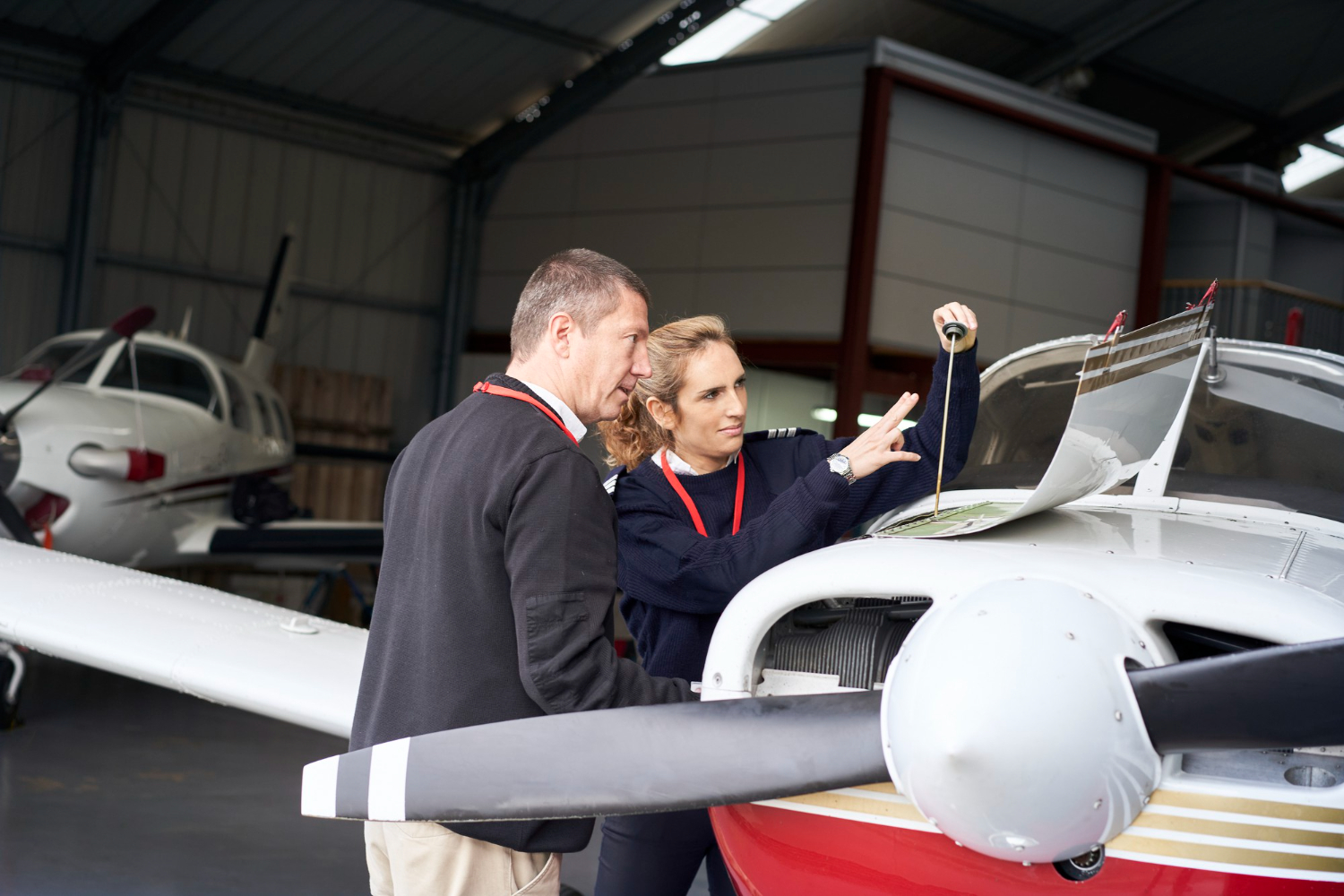
Інформаційне перевантаження заглушає важливі повідомлення Нові протоколи безпеки. Оновлені системи літака. Переглянуті стандарти обслуговування. Змінені вимоги безпеки. Коли все терміново та доставляється тригодинними блоками, нічого не залишається в силі. Екіпажі слухають презентації, кивають головами, а потім не можуть згадати ключові процедури через два тижні, коли вони їм потрібні.
Традиційні презентації не відповідають сучасним когнітивним вимогам Пасивне навчання — годинами сидіти, поки хтось тобі розмовляє — забезпечує мінімальне запам’ятовування. Згідно з аналізом проблем авіаційної підготовки, проведеним Scandlearn у 2025 році, екіпажі майже нічого не запам’ятовують з традиційних форматів лекцій до наступного тижня. Сам формат навчання є вузьким місцем, а не можливості екіпажу.
Постійно змінювані протоколи вимагають гнучкого перенавчання Те, що працювало минулого кварталу, може бути застарілим сьогодні. Авіакомпаніям потрібні системи навчання, які швидко адаптуються та розгортають оновлення в глобальних командах, а не системи, що вимагають ще одного масштабного планування через три місяці, щоб перенавчити всіх щодо однієї зміни протоколу.
Планування кошмарів коштує реальних грошей Зібрати екіпажі в одному приміщенні означає звільняти їх від рейсів, координувати роботу в різних часових поясах, оплачувати обладнання та покривати витрати на простої. Традиційне навчання створює величезні логістичні та фінансові труднощі, перш ніж буде вивчено хоч одне слово.
5 методів інтерактивного навчання авіації, які дійсно залишаються актуальними
Метод 1: Взаємне навчання, яке фіксує колективний розум
Проблема: Племінні знання залишаються в пастці в головах старших членів екіпажу. Нові співробітники роками навчаються на помилках, які ветерани вирішили десятиліття тому. Найкращі практики розсіюються між окремими людьми, а не поширюються по всьому флоту.
Зробіть його інтерактивним: Використовуйте опитування в реальному часі та відкриті дискусії, щоб виявити реальний досвід екіпажу. «Яка найпоширеніша медична невідкладна ситуація для пасажирів, з якою ви стикалися?» «Яка передпольотна перевірка виявила найбільше проблем?» Відповіді відображаються візуально, демонструючи закономірності для всієї групи.
Виділіть найпопулярніші відповіді та проведіть короткі обговорення. Ветерани діляться тим, чого вони навчилися за 10 000 годин польотів. Нові співробітники засвоюють роки колективного досвіду за лічені хвилини, а не за роки. Кожен робить свій внесок. Кожен навчається.
Чому це працює: Згідно з дослідженням NEYA Global Research Lab щодо інтерактивних елементів в освіті, обмін знаннями між колегами створює глибшу залученість, ніж пасивні лекції. Команди не просто запам'ятовують процедури — вони розуміють їхню логіку від колег, які пережили це. Реальні історії запам'ятовуються краще, ніж абстрактні правила.
Метод 2: Мікронавчання, яке враховує тривалість концентрації уваги
Проблема: Тригодинні навчальні марафони вбивають усвідомлення труднощів. Екіпажі втрачають самовладання вже через 15 хвилин. Важлива інформація з безпеки, надана на 47-й хвилині презентації, повністю втрачається. Ви платите за час навчання, але отримуєте мінімальне знання.
Зробіть його інтерактивним: Розбийте зміст на цільові модулі тривалістю 5-7 хвилин, кожен з яких охоплює одну концепцію. «Процедури евакуації у разі надзвичайної ситуації». «Протоколи боротьби з обмерзанням». «Оновлені вимоги до перевірки безпеки». Виконуйте заняття з вбудованими перевірками знань після кожного мікроуроку.
Екіпажі отримують доступ до модулів на будь-якому пристрої — між рейсами, під час пересадок, з дому. Тести у власному темпі дозволяють їм повторювати матеріал, доки не стануть впевненими. Відстеження ефективності визначає, кому потрібна додаткова підтримка, перш ніж це стане проблемою безпеки.
Чому це працює: Дослідження, проведене Takeaway Reality щодо VR та інтерактивних методів навчання, показало, що коротке інтерактивне навчання покращує запам'ятовування на 80% порівняно з традиційними марафонськими сесіями. Короткий, цілеспрямований контент враховує обмеження когнітивного навантаження та підтримує увагу протягом усього навчального процесу.
Метод 3: Стандартизоване навчання на всіх локаціях
Проблема: Різні тренери пропонують різні версії одного й того ж контенту в різних місцях. Чиказькі команди вивчають один підхід. Сінгапурські команди вивчають інший. Коли команди переходять або співпрацюють, плутанина створює ризики для безпеки. «Але на моїй попередній базі вони навчали цьому по-іншому» стає небезпечним рефреном.
Зробіть його інтерактивним: Створюйте централізовано керований навчальний контент, який кілька тренерів можуть послідовно надавати. Тренерів запрошують як доповідачів для перегляду та презентації презентації, скидання результатів між сесіями та доступу до звітів для своїх когорт, водночас контент залишається стандартизованим у джерелі.
Одне джерело істини. Жодної плутанини на кшталт «вони навчили по-іншому». Оновлення автоматично надсилаються в усі місця одночасно.
Чому це працює: Стандартизація усуває небезпечну мінливість, яка є складовою традиційного навчання. Коли процедури дій у надзвичайних ситуаціях однакові на всіх базах, екіпажі можуть впевнено співпрацювати незалежно від того, де вони навчалися. Узгодженість — це не просто ефективність, це імператив безпеки в авіації.
Хочете побудувати це без логістичного кошмару?
Ці три методи працюють вручну, але вимагають масштабної координації між глобальними командами, часовими поясами та графіками. AhaSlides автоматично обробляє складність водночас зберігаючи інтерактивність та ефективність навчання.
Модулі мікронавчання з вбудованими тестами. Централізоване керування контентом, який послідовно презентують кілька тренерів. Інструменти взаємного навчання, що висвітлюють колективний досвід. Усе доступне через прості посилання або QR-коди — без завантаження додатків, без головних болів, пов’язаних з ІТ.
Створіть свій перший інтерактивний навчальний модуль для екіпажів за лічені хвилини.
Спосіб 4: Глобальний доступ без хаосу в плануванні
Проблема: Зустріч екіпажів в одному приміщенні коштує мільйони на простої та логістику. Розклади польотів конфліктують із графіками тренувань. Міжнародні екіпажі борються з джетлегом, намагаючись засвоїти важливу інформацію з безпеки. Традиційне навчання передбачає одночасну доступність усіх, чого ніколи не буває в авіаційних операціях 24/7.
Зробіть його інтерактивним: Проводьте навчальні сесії дистанційно в реальному часі за допомогою посилань на презентації або QR-кодів. Екіпажі можуть приєднуватися з будь-якого місця — кімнат відпочинку для екіпажів, готелів, баз. Різні часові пояси? Проводьте один і той самий інтерактивний сеанс у різний час або дозвольте екіпажам отримувати доступ до ідентичного інтерактивного контенту у власному темпі, водночас роблячи свій внесок у спільне розуміння автопарку.
Все залишається синхронізованим, без примусового перебування всіх у фізичних аудиторіях одночасно. Живі сесії для спільного навчання. Доступ у власному темпі для індивідуальних розкладів. Той самий високоякісний інтерактивний контент у будь-якому випадку.
Чому це працює: Дистанційне інтерактивне навчання усуває бар'єри у плануванні та вартості, які роблять традиційне авіаційне навчання таким дорогим. Екіпажі ефективно навчаються без витрат на простої, пов'язаних з виведенням їх з ротацій. Авіакомпанії заощаджують мільйони, одночасно покращуючи доступність навчання та показники його завершення.
Метод 5: Контроль якості на основі даних
Проблема: Ви проводите навчальні сесії, але не знаєте, що саме застрягло. Які бригади мають труднощі? Де виникають прогалини в знаннях? Який зміст бентежить людей? Традиційне навчання надає сертифікати про завершення, але не дає жодного уявлення про реальне навчання.
Зробіть його інтерактивним: Кожен навчальний сеанс генерує детальні звіти, що фіксують участь та ефективність за когортами. Відстежуйте результати вікторин, моделі відповідей та показники залученості. Власники презентацій переглядають звіти з усіх сеансів та від усіх тренерів на одній централізованій панелі інструментів.
Точно визначте, де екіпажі мають труднощі, а де вони досягають успіху. Визначте прогалини в знаннях, перш ніж вони стануть проблемами безпеки. Порівняйте результати різних когорт, щоб виявити невідповідності в навчанні.
Чому це працює: Дані перетворюють навчання з прапорця відповідності на систему постійного вдосконалення. Ви не здогадуєтеся, що працює — ви це бачите. Коли певний модуль показує низькі бали за тести в кількох когортах, ви знаєте, що контент потребує перегляду. Коли групи одного тренера перевершують інші, ви можете проаналізувати, що вони роблять по-іншому, і стандартизувати це для всього парку навчання.
Чому AhaSlides робить це можливим для світових авіакомпаній
Все вищезазначене працює вручну, але координація цього між глобальними операціями, кількома тренерами, різними часовими поясами та постійно мінливими правилами практично неможлива без спеціально розроблених інструментів.
AhaSlides був розроблений спеціально для інтерактивного навчання, яке масштабується в різних складних організаціях, таких як авіакомпанії, де узгодженість, документація відповідності та глобальна доступність не підлягають обговоренню.
Охоплює всі 5 методів на одній платформі

Метод 1: Взаємне навчання → Слайди хмари слів візуально відображають досвід екіпажу. Слайди з відкритими питаннями збирають історії та передовий досвід. Слайди мозкового штурму дозволяють екіпажам спільно надсилати спостереження щодо безпеки.
Метод 2: Мікронавчання → Розбийте презентації на цільові модулі за допомогою вбудованих слайдів вікторин. Екіпажі мають доступ з будь-якого пристрою. Режим самостійного навчання дозволяє їм повторно проходити матеріал. Відстеження прогресу показує завершення по всьому автопарку.
Метод 3: Стандартизоване навчання → Централізовано створюйте основні навчальні матеріали. Запрошуйте тренерів як доповідачів для презентації однакового контенту в різних місцях. Контролюйте оновлення з одного джерела — зміни автоматично поширюються на всіх тренерів.
Спосіб 4: Глобальний доступ → Діліться простими посиланнями або QR-кодами. Жодних завантажень додатків. Жодних складнощів з ІТ. Команди можуть приєднуватися до живих сесій віддалено або отримувати доступ до контенту у власному темпі. Працює на телефонах, планшетах, ноутбуках — будь-якому доступному для команд режимі.
Метод 5: Якість, керована даними → Автоматичні звіти про сесії фіксують участь, результати вікторин та дані відповідей за когортами. Централізована інформаційна панель відображає ефективність усіх тренерів та локацій. Експортуйте звіти для документації щодо відповідності нормативним вимогам.
Створено для унікальних вимог авіації
Готовий до дотримання вимог Звіти про сесії задовольняють вимоги регуляторних аудитів, водночас відстежуючи, хто потребує додаткової підтримки. Все документується автоматично — хто був присутній, чого навчився, як виконував свою роботу. Коли регуляторні органи постукають у двері, ви отримуєте вичерпні дані про ефективність навчання, а не лише табелі відвідуваності.
Без технічних бар'єрів Простий доступ та зручний інтерфейс усувають труднощі з навчанням. Ваші команди зосереджуються на вивченні критично важливих процедур, а не на боротьбі з технологіями. Якщо вони можуть користуватися смартфоном, вони можуть пройти навчання.
Швидкі оновлення контенту Коли правила змінюються або з'являються нові протоколи, оновіть навчальний контент один раз. Усі тренери автоматично представляють найновішу версію. Не потрібно шукати кілька навчальних колод у різних місцях, щоб переконатися, що всі мають актуальну інформацію.
Координація з кількома тренерами Тренери бачать однаковий контент, але керують своїми сесіями незалежно. Скидання результатів між когортами. Отримання доступу до звітів для своїх конкретних груп. Тим часом, керівники навчань бачать загальну картину всіх сесій, усіх тренерів, усіх локацій.
Авіакомпанії, що використовують інтерактивне навчання
Серед організацій, що застосовують інтерактивні підходи до навчання, є Singapore Airlines, Thai Airways та Air Canada — перевізники, визнані за операційну досконалість та якість навчання.
Найкращі практики для авіаційної підготовки
Почніть спочатку з контенту з високим рівнем впливу. Оберіть навчання, яке має найбільший вплив на безпеку або дотримання вимог — процедури дій у надзвичайних ситуаціях, критичні системні операції, нові правила. Доведіть, що модель працює над тим, що найважливіше.
Зосередьтеся на мікромодулях. Одна концепція на модуль. Максимум 5-7 хвилин. Не намагайтеся вмістити все в одну мегапрезентацію. Розбийте її на частини. Тривалість концентрації уваги є справжнім обмеженням.
Стратегічно поєднуйте живу та власну діяльність. Використовуйте живі сесії для спільних сценаріїв та взаємного навчання. Використовуйте модулі з власним темпом для нарощування знань та гнучкого доступу. Поєднання дає кращі результати, ніж будь-який з них окремо.
Зробіть перевірки знань змістовними. Не перевіряйте лише запам'ятовування. Представте сценарії: «Пасажир проявляє ці симптоми під час польоту. Яка ваша реакція?» Розвивайте судження, а не просто згадуйте.
Щомісяця переглядайте свої дані. Які модулі показують низькі бали? Де бригади мають труднощі? Який зміст потребує уточнення? Нехай дані про ефективність керують постійним удосконаленням.
Що сказали менеджери з навчання
Гарві Л. Майстер-консультант з письма, малий бізнес ★★★★½ 4.8/5
«Я використовую AhaSlides понад 5 років як викладач, і це залишається моїм найкращим вибором для залучення студентів. Незалежно від того, чи викладаю я особисто, чи онлайн, це платформа, до якої я постійно повертаюся завдяки її простоті, зручності використання та інтуїтивно зрозумілому дизайну. AhaSlides допомагає створити веселе та гнучке середовище, яке сприяє самостійності студентів».
Яків С. Менеджер з навчання, підприємство (понад 1000 співробітників) ★★★★★ 5/5
"Як людина, що працює у сфері навчання та розвитку, я постійно шукаю способи залучити аудиторію. AhaSlides дозволяє дуже легко створювати цікаві, захопливі вікторини, плани тощо."
Діанна М. Тимчасовий директор з онлайн-освіти та доцент кафедри англійської мови ★★★★★ 5/5
«Я почав використовувати AhaSlides для своїх синхронних онлайн-курсів, щоб студенти були зацікавлені, а не відволікалися. Платформа пропонує безліч інтерактивних інструментів, які підвищують участь як під час, так і поза заняттями. Особливо виділялися функції вікторин — студенти стали більш залученими та навіть конкурентоспроможними завдяки таблиці лідерів».
Найчастіші запитання: Поширені запитання щодо інтерактивного навчання авіації
Що робить інтерактивне навчання ефективнішим за традиційні методи? Інтерактивне навчання спонукає до активної участі через вікторини, опитування, обговорення з колегами та вправи на основі сценаріїв, а не до пасивного слухання. Дослідження показують, що інтерактивне коротке навчання покращує запам'ятовування на 80% порівняно з традиційними форматами лекцій, оскільки воно задіює когнітивні процеси, що зміцнюють пам'ять.
Як ви підтримуєте стандарти навчання в різних місцях? Використовуйте централізовано керований контент, який кілька тренерів можуть послідовно презентувати. Одна головна навчальна платформа оновлюється автоматично для всіх тренерів. Звіти про сесії показують ефективність усіх когорт, що дозволяє легко виявляти невідповідності та забезпечувати стандартизовані результати навчання для всього автопарку.
Чи можуть екіпажі проходити навчання дистанційно? Так. Діліться посиланнями на презентації або QR-кодами для віддаленого доступу з будь-якого місця. Екіпажі можуть приєднуватися до інтерактивних сесій у прямому ефірі з кімнат відпочинку для екіпажів, готелів або дому, або ж отримувати доступ до ідентичного інтерактивного контенту у власному темпі за своїм розкладом — усе це сприяє обміну знаннями про автопарк та централізованій звітності.
Як це відповідає вимогам нормативних актів? Кожне навчальне заняття автоматично генерує детальні звіти, що показують, хто був присутній, який матеріал був розглянутий, результати тестів та показники участі. Звіти можна експортувати для аудиторської документації, що відповідає нормативним вимогам, а також надає практичні дані про ефективність навчання.
Що робити, якщо графіки екіпажу конфліктують з часом навчання? Надавайте однаковий інтерактивний контент у різних форматах: живі сесії в різний час для різних часових поясів, а також доступ у власному темпі для індивідуальних графіків. Екіпажі отримують однакове високоякісне навчання незалежно від того, коли вони до нього звертаються, а всі результати вносяться до централізованої звітності.
Чи це працює для навчання технічним системам літака? Так. Вбудовуйте технічні документи, схеми, відео та системні специфікації безпосередньо в навчальні слайди. Використовуйте слайди вікторин для перевірки технічних знань. Представляйте задачі на основі сценаріїв, що вимагають від бригад застосування технічних знань. Інтерактивні елементи зосереджують увагу на складному матеріалі, який би відволікав бригади в традиційних форматах лекцій.
Перестаньте витрачати гроші на навчання, яке зникає
З огляду на витрати на дотримання нормативних вимог у розмірі 700 мільйонів доларів і рентабельність у 3.6%, кожен навчальний сеанс має давати вимірювані результати, а не просто перевіряти відповідність нормативним вимогам.
Інтерактивне навчання одночасно вирішує як проблему навчання, так і логістичний кошмар. Краще запам'ятовування означає, що екіпажі дійсно запам'ятовують критично важливі процедури під тиском. Стандартизований контент забезпечує стабільну якість навчання в усіх глобальних операціях. Чіткі дані точно показують, що працює, а що потребує покращення. Віддалений доступ усуває хаос у плануванні та витрати на простої.
Традиційне навчання підводить авіакомпанії. Інтерактивне навчання виправляє цю проблему.
Спробуйте AhaSlides безкоштовно для наступного навчання екіпажу
Почніть з одного високоефективного модуля:
- Виберіть найважливішу тему безпеки або дотримання вимог
- Розбийте його на 3-5 мікронавчальних сегментів із вбудованими тестами
- Запросіть тренерів як доповідачів для послідовного проведення занять у різних місцях
- Перегляньте звіти про сесії, щоб побачити, чого насправді навчилися екіпажі
Кредитна картка не потрібна. Жодного складного впровадження. Просто створіть безкоштовний обліковий запис, налаштуйте свій перший інтерактивний навчальний модуль і побачите, як покращиться утримання клієнтів.
Шаблони для початку роботи
Посилання
IATA. (2025). «Прибутковість авіакомпаній дещо зросте у 2025 році, незважаючи на зустрічний вітер». https://www.iata.org/en/pressroom/2025-releases/2025-06-02-01/
Scandlearn. (2025). «Майбутнє вже тут: виклики авіаційної підготовки 2025 року». https://blog.scandlearn.com/the-future-is-here-aviation-training-challenges-2025
Висновок з реальності. (2025). «VR-тренінги та статистика VR-освіти за 2025 рік». https://www.takeaway-reality.com/post/vr-training-and-vr-education-statistics-2024
Міністерство транспорту США. (2024). «DOT штрафує Southwest Airlines на 140 мільйонів доларів за крах на святах 2022 року». https://byvn.net/TQ5o
NEYA Global Research Lab. (2024). «Інтерактивні елементи публічних виступів: стратегії залучення аудиторії». https://neyaglobal.com/journal-nonprofit/interactive-elements-in-public-speaking-strategies-for-audience-engagement/