
Вот печальная правда о корпоративном обучении: большинство тренингов терпят неудачу еще до начала. Не потому, что содержание плохое, а потому, что планирование поспешное, подача материала односторонняя, и участники теряют интерес уже через пятнадцать минут.
Звучит знакомо?
Исследования показывают, что 70% сотрудников забывают содержание обучающих материалов. В течение 24 часов, если занятия плохо спланированы. Однако ставки невероятно высоки — 68% сотрудников считают обучение важнейшей политикой компании, а 94% готовы дольше работать в компаниях, которые инвестируют в их обучение и развитие.
Хорошая новость? При наличии хорошо продуманного плана обучающих сессий и правильных стратегий вовлечения участников вы можете превратить скучные презентации в мероприятия, на которых участники действительно захотят учиться.
В этом руководстве подробно описан весь процесс планирования учебных занятий с использованием структуры ADDIE — стандартной модели проектирования обучения, применяемой профессиональными тренерами по всему миру.
Что делает тренинг эффективным?
Тренинг — это любое структурированное мероприятие, на котором сотрудники приобретают новые навыки, знания или умения, которые они могут немедленно применить в своей работе. Но существует огромная разница между обязательным посещением и значимым обучением.
Виды эффективных тренингов
Мастерские: Практическое освоение навыков, в ходе которого участники отрабатывают новые техники.
- Пример: Семинар по коммуникативным навыкам для руководителей с ролевыми упражнениями.
Семинары: Тематические дискуссии с двусторонним диалогом.
- Пример: Семинар по управлению изменениями с групповым решением проблем.
Программы адаптации новых сотрудников: Вводное обучение для новых сотрудников и специализированное обучение по конкретным должностям.
- Пример: Обучение сотрудников отдела продаж знаниям о продукте.
Профессиональное развитие: Продвижение по карьерной лестнице и обучение мягким навыкам.
- Пример: Тренинг по управлению временем и повышению производительности.
Наука удержания
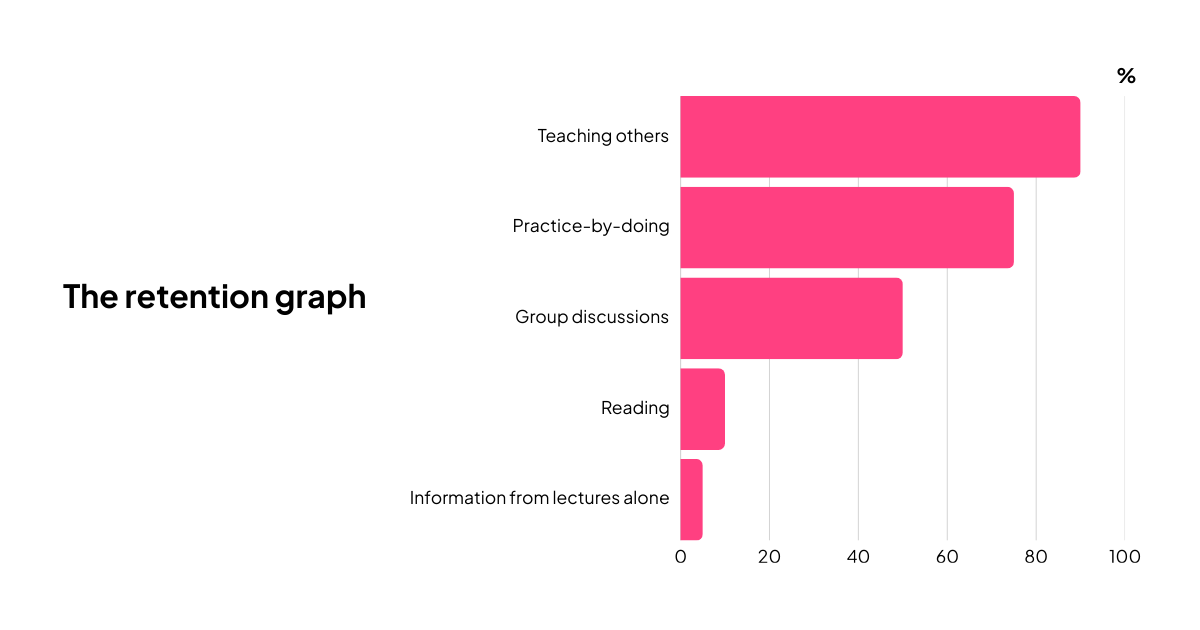
Согласно данным Национальных учебных лабораторий, участники сохраняют следующие навыки:
- 5% информации, полученной исключительно из лекций.
- 10%. из чтения
- 50%. из групповых дискуссий
- 75%. из практики на практике
- 90%. от обучения других
Именно поэтому наиболее эффективные тренинги включают в себя несколько способов обучения и делают акцент на взаимодействии участников, а не на монологе докладчика. Интерактивные элементы, такие как опросы в режиме реального времени, викторины и сессии вопросов и ответов, не только делают обучение более приятным, но и коренным образом улучшают запоминание и применение информации участниками.
Структура ADDIE: ваш план планирования
Тщательное планирование обучающего занятия — это не просто хорошая практика, это разница между запоминающимися знаниями и потраченным впустую временем. Модель ADDIE предлагает систематический подход, используемый разработчиками учебных материалов по всему миру.
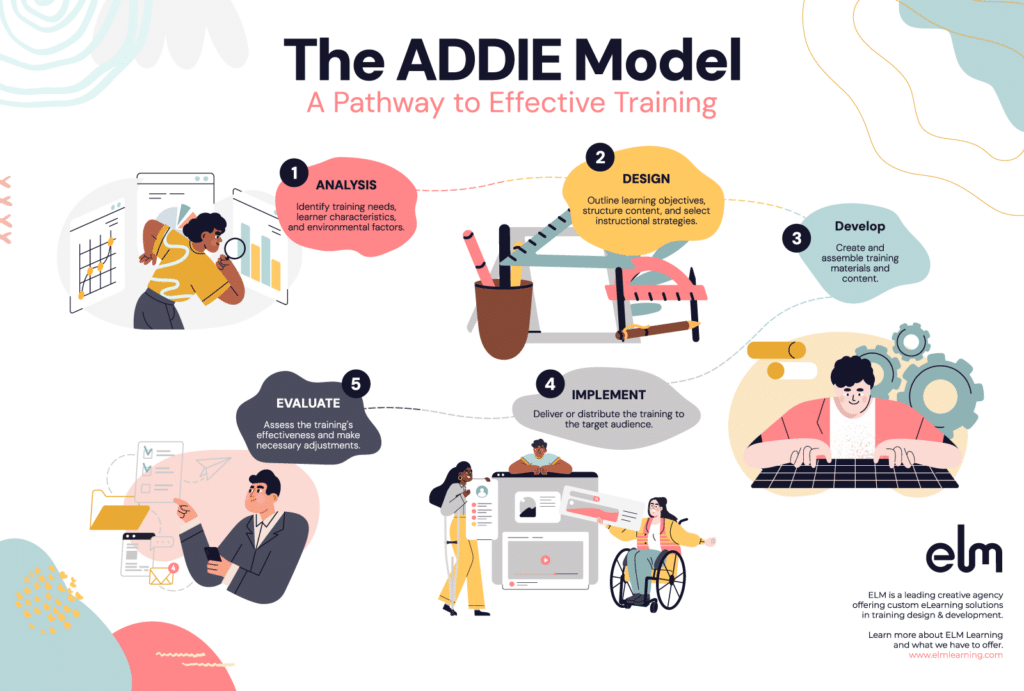
Аббревиатура ADDIE означает:
А - Анализ: Определить потребности в обучении и характеристики обучающихся.
D - Дизайн: Определите цели обучения и выберите методы его реализации.
D - Развитие: Создание учебных материалов и заданий.
I - Реализация: Провести обучающее занятие
E - Оценка: Оцените эффективность и соберите отзывы.
Почему работает ADDI
- Системный подход: Ничто не оставлено на волю случая
- Ориентирован на обучающегося: Начинается с реальных потребностей, а не с предположений.
- измеримый: Четко сформулированные цели позволяют проводить надлежащую оценку.
- Итеративный: Оценка позволяет внести необходимые улучшения в будущем.
- Гибкость: Применяется к очному, виртуальному и гибридному обучению.
Остальная часть этого руководства построена на основе структуры ADDIE и показывает, как именно спланировать каждый этап, а также как интерактивные технологии, такие как AhaSlides, поддерживают вас на каждом шаге.
Шаг 1: Проведение оценки потребностей (этап анализа)
Самая большая ошибка, которую допускают тренеры? Предположение, что они знают, в чем нуждается их аудитория. Согласно отчету Ассоциации развития талантов о состоянии отрасли за 2024 год, 37% программ обучения терпят неудачу, потому что они не устраняют реальные пробелы в навыках.
Как определить реальные потребности в обучении
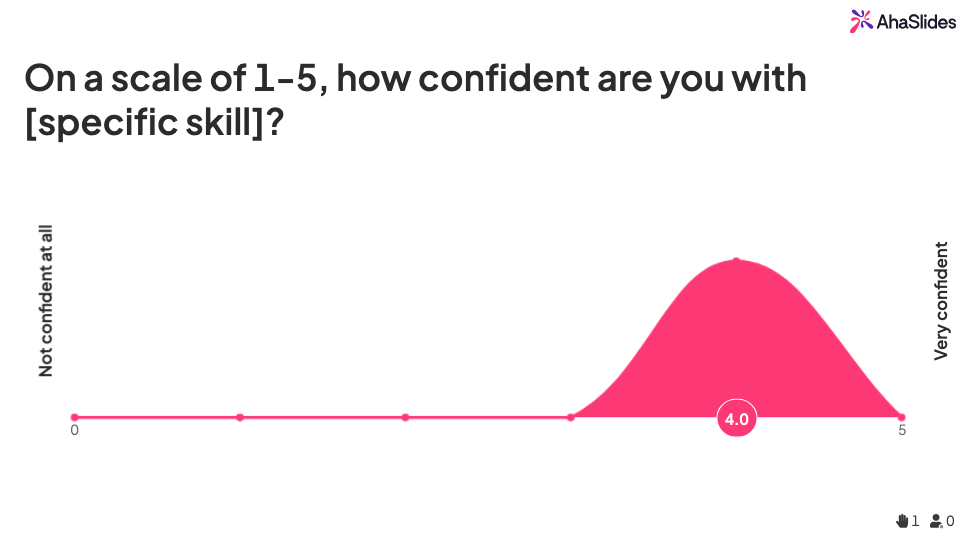
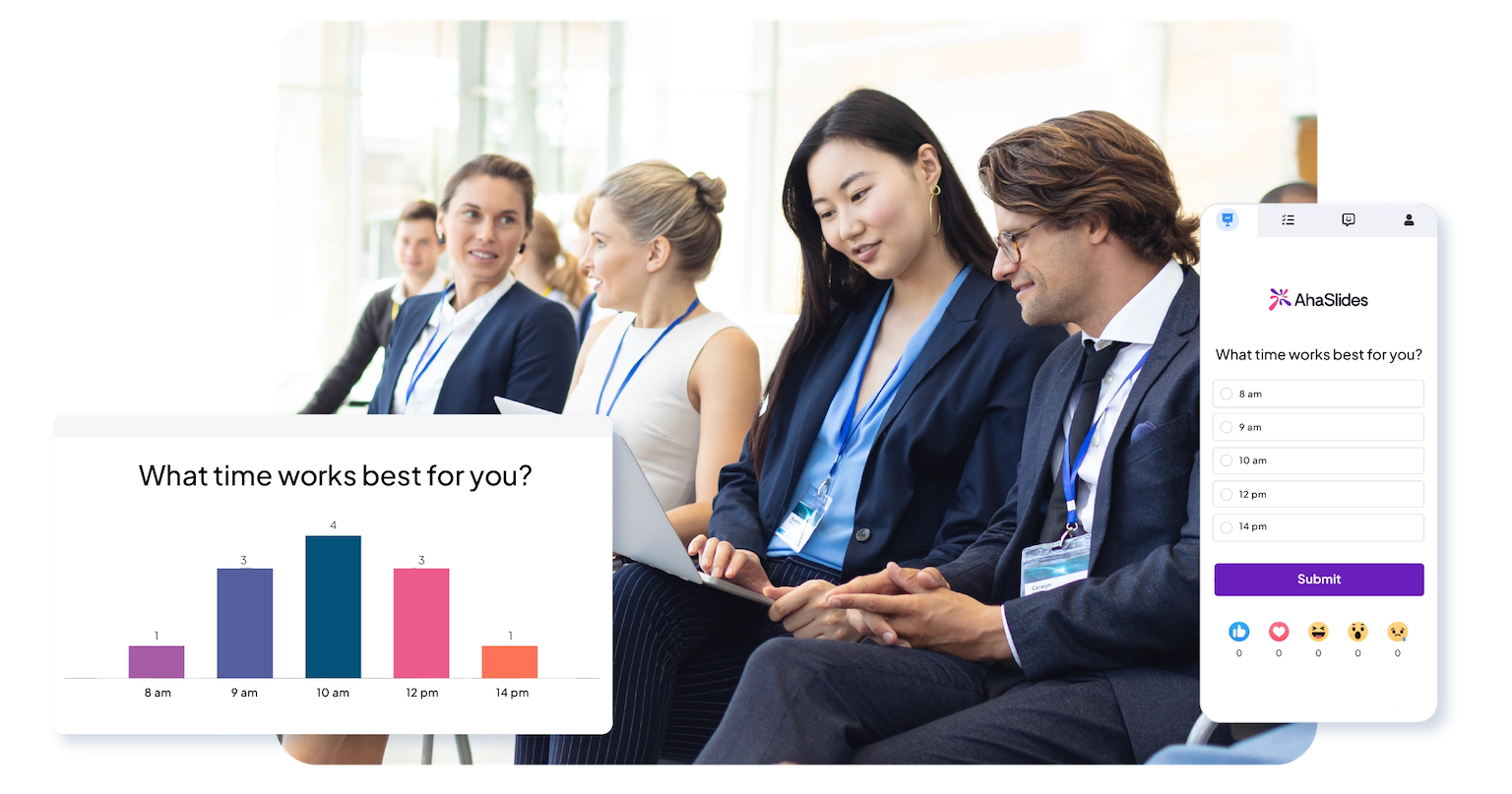
Опросы перед началом обучения: Отправляйте анонимные опросы с вопросами: «По шкале от 1 до 5, насколько вы уверены в своих навыках [конкретный навык]?» и «В чем заключается ваша самая большая трудность при [выполнении задачи]?». Используйте функцию опросов AhaSlides для сбора и анализа ответов.
Анализ данных о производительности: Проанализируйте имеющиеся данные на предмет распространенных ошибок, снижения производительности, жалоб клиентов или наблюдений руководителей.
Фокус-группы и интервью: Пообщайтесь напрямую с руководителями групп и участниками, чтобы понять повседневные проблемы и опыт предыдущих тренингов.
Понимание вашей аудитории
Взрослые обладают опытом, нуждаются в актуальной информации и стремятся к практическому применению. Необходимо учитывать их текущий уровень знаний, предпочтения в обучении, мотивацию и ограничения. Ваше обучение должно это учитывать: никакого снисходительного отношения, никакой лишней информации, только практические советы, которые они смогут применить немедленно.
Шаг 2: Сформулируйте четкие цели обучения (этап проектирования)
Расплывчатые цели обучения приводят к расплывчатым результатам. Ваши учебные цели должны быть конкретными, измеримыми и достижимыми.
Каждая учебная цель должна быть SMART:
- Конкретный: Что именно смогут делать участники?
- измеримый: Как вы узнаете, что они это усвоили?
- Достижимо: Насколько это реалистично, учитывая время и ресурсы?
- Соответствующий: Связано ли это с их реальной работой?
- Ограниченный по времени: К какому сроку они должны это освоить?
Примеры хорошо сформулированных целей
Неудачная цель: «Понимание эффективной коммуникации»
Хорошая цель: «К концу этого занятия участники смогут давать конструктивную обратную связь, используя модель SBI (Ситуация-Поведение-Воздействие) в ролевых играх».
Неудачная цель: «Узнайте об управлении проектами»
Хорошая цель: «К концу второй недели участники смогут составить график проекта с помощью диаграмм Ганта и определить зависимости критического пути для своего текущего проекта».
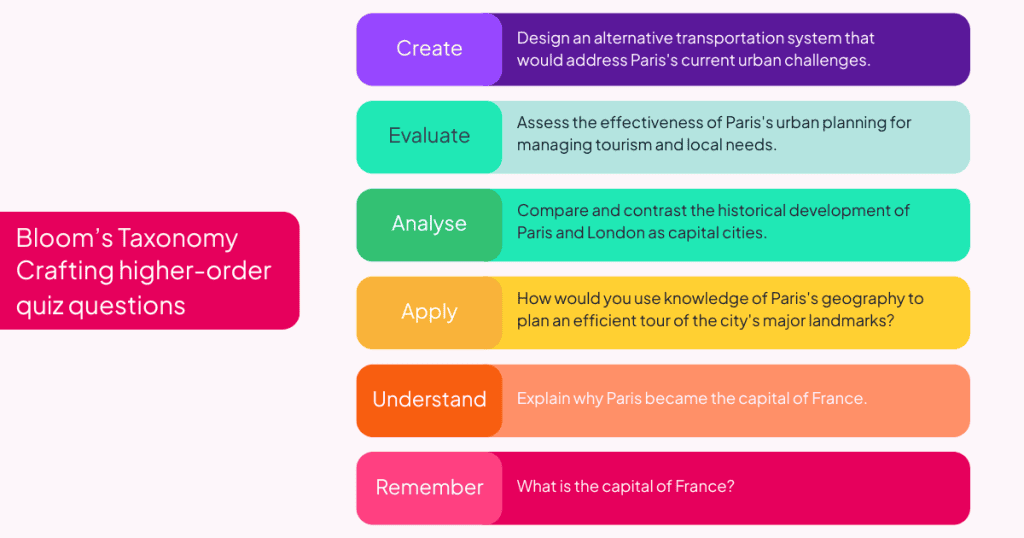
Таксономия Блума для объективных уровней
Структурируйте цели, исходя из когнитивной сложности:
- Обратите внимание: Вспомните факты и основные понятия (дайте определение, перечислите, определите).
- Понимаю: Объясните идеи или концепции (опишите, объясните, обобщите).
- Подать заявление: Используйте информацию в новых ситуациях (демонстрируйте, решайте, применяйте).
- анализ: Устанавливайте связи между идеями (сравнивайте, анализируйте, различайте).
- Оценивать: Обоснование решений (оценка, критика, вынесение суждения)
- Создайте: Создание новых или оригинальных произведений (проектирование, конструирование, разработка).
В большинстве случаев при организации корпоративного обучения следует ориентироваться на уровень "Применение" или выше — участники должны уметь применять полученные знания на практике, а не просто пересказывать информацию.
Шаг 3: Разработка увлекательного контента и мероприятий (этап разработки)
Теперь, когда вы знаете, чему должны научиться участники, и ваши цели ясны, пришло время разработать методику обучения.
Последовательность и синхронизация контента
Начните с того, почему это важно для них, прежде чем переходить к вопросу «как». Постепенно переходите от простого к сложному. Используйте Правило 10-20-70: 10% — вступление и создание контекста, 70% — основной контент с заданиями, 20% — практика и подведение итогов.
Меняйте вид деятельности каждые 10-15 минут, чтобы поддерживать внимание. Чередуйте эти виды деятельности в течение дня:
- Упражнения для знакомства (5-10 мин): Быстрые опросы или облака слов для определения отправных точек.
- Проверка знаний (2-3 мин): Тесты для мгновенной оценки понимания материала.
- Обсуждения в малых группах (10-15 мин): Изучение конкретных примеров или совместное решение проблем.
- Ролевые игры (15-20 мин): Оттачивайте новые навыки в безопасной обстановке.
- Мозговой: Облака слов для одновременного сбора идей от всех участников.
- Вопросы и ответы в прямом эфире: Анонимные вопросы задаются на протяжении всего текста, а не только в конце.
Интерактивные элементы, повышающие запоминание.
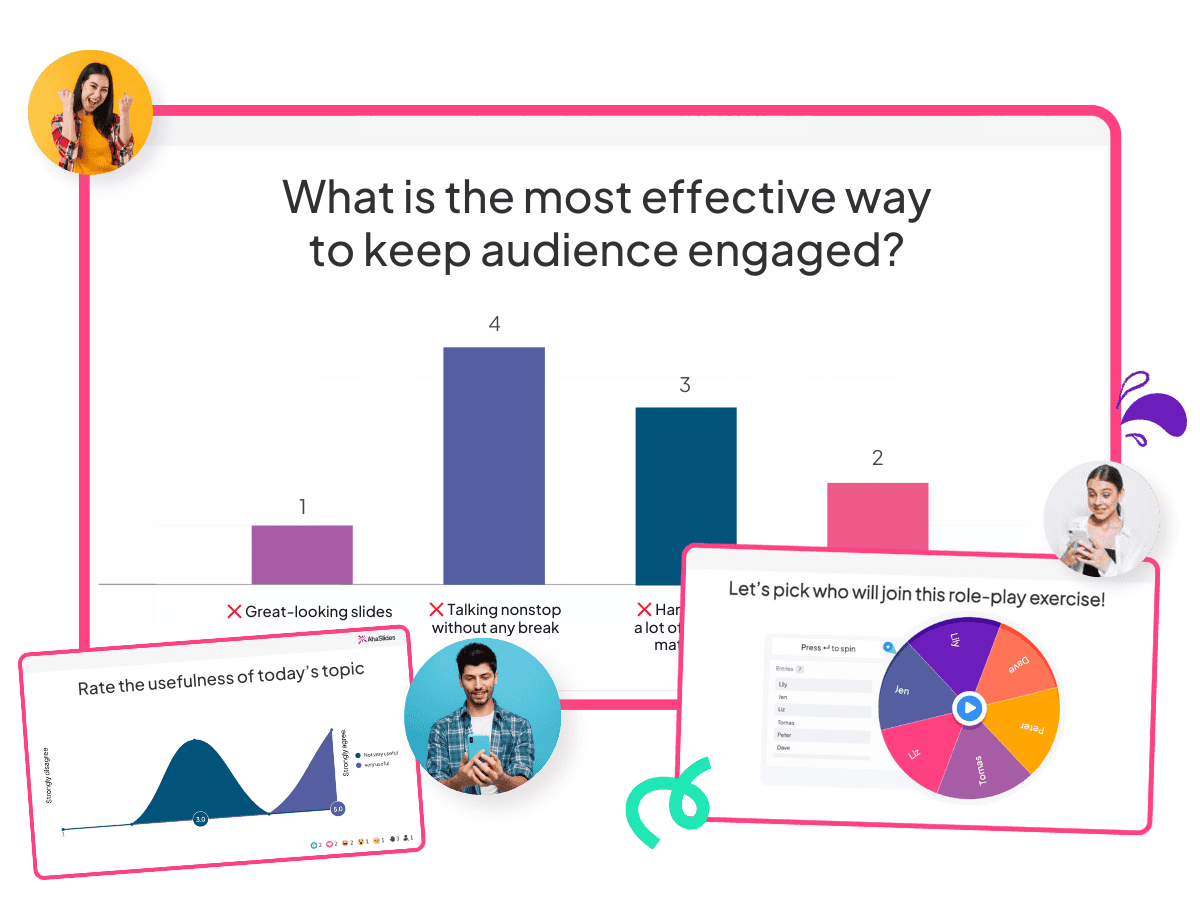
Традиционные лекции обеспечивают усвоение материала лишь на 5%. Интерактивные элементы повышают этот показатель до 75%. Опросы в режиме реального времени позволяют оценить понимание материала, викторины превращают обучение в игру, а облака слов способствуют совместному мозговому штурму. Ключевым моментом является бесшовная интеграция — улучшайте контент, не прерывая учебный процесс.
Шаг 4: Разработка учебных материалов (этап разработки)
После того, как вы спланировали структуру контента, создайте материалы, которые будут использовать участники.
Принципы дизайна
Слайды презентации: Придерживайтесь простоты: одна главная идея на слайде, минимум текста (максимум 6 пунктов, по 6 слов в каждом), четкий шрифт, читаемый с задних рядов. Используйте инструмент создания презентаций AhaSlides с помощью ИИ для быстрого создания структуры, а затем интегрируйте опросы, викторины и слайды с вопросами и ответами между основными материалами.
Руководства для участников: Раздаточные материалы с ключевыми понятиями, местом для заметок, заданиями и вспомогательными материалами, к которым они смогут обратиться позже.
Для доступности: Используйте высококонтрастные цвета, легко читаемый размер шрифта (минимум 24 пункта для слайдов), субтитры к видео и предлагайте материалы в различных форматах.
Шаг 5: Планирование стратегий интерактивной реализации (этап внедрения)
Даже самый лучший контент теряет свою привлекательность без увлекательной подачи.
Структура сеанса
Начальная цена (10%): Приветствие, обсуждение целей, знакомство, определение ожиданий.
Основной состав (70%): Излагайте концепции по частям, после каждой части выполняйте практические задания, используйте интерактивные элементы для проверки понимания.
Закрытие (20%): Подведение итогов, планирование действий, заключительные вопросы и ответы, оценочный опрос.
Техники фасилитации
Задавайте открытые вопросы: «Как бы вы применили это в своем текущем проекте?» Делайте паузу в 5-7 секунд после вопросов. Нормализуйте ответы «Я не знаю», чтобы создать психологическую безопасность. Сделайте все интерактивным — используйте опросы для голосования, вопросы и ответы для обсуждения проблем, мозговой штурм для выявления препятствий.
Виртуальное и гибридное обучение
AhaSlides работает во всех форматах. В виртуальных сессиях участники подключаются со своих устройств независимо от местоположения. В гибридных сессиях как присутствующие в зале, так и удаленные участники одинаково активно используют свои телефоны или ноутбуки — никто не остается в стороне.
Шаг 6: Оценка эффективности обучения (этап оценки)
Ваше обучение не будет завершено, пока вы не измерите, насколько оно эффективно. Используйте четыре уровня оценки Киркпатрика:
Уровень 1 - Реакция: Участникам понравилось?
- Метод: Опрос в конце сессии с использованием рейтинговых шкал
- Функция AhaSlides: Краткие слайды для оценки (от 1 до 5 звезд) и открытая форма обратной связи.
- Ключевые вопросы: «Насколько полезным было это обучение?» «Что бы вы изменили?»
Уровень 2 - Обучение: Они чему-нибудь научились?
- Метод: Предварительные и итоговые тесты, викторины, проверки знаний.
- Функция AhaSlides: Результаты викторины показывают индивидуальные и групповые результаты.
- Что измерять: Могут ли они продемонстрировать полученные навыки/знания?
Уровень 3 - Поведение: Они это применяют?
- Метод: Повторные опросы через 30-60 дней, наблюдения менеджера.
- Функция AhaSlides: Отправляйте автоматические опросы для последующего взаимодействия.
- Ключевые вопросы: «Использовали ли вы [навык] в своей работе?» «Каких результатов вы добились?»
Уровень 4 - Результаты: Повлияло ли это на результаты деятельности компании?
- Метод: Отслеживайте показатели эффективности, ключевые показатели результативности и результаты бизнеса.
- Сроки: 3-6 месяцев после обучения
- Что измерять: Повышение производительности, снижение количества ошибок, удовлетворенность клиентов.
Использование данных для улучшения
Функция «Отчеты и аналитика» в AhaSlides позволяет:
- Посмотрите, с какими вопросами участники испытывали трудности.
- Определите темы, требующие более подробного объяснения.
- Отслеживайте показатели участия
- Экспорт данных для отчетности перед заинтересованными сторонами.
Используйте эти выводы, чтобы усовершенствовать свою подготовку к следующему разу. Лучшие тренеры постоянно совершенствуются, основываясь на отзывах участников и результатах.
Часто задаваемые вопросы (FAQ)
Сколько времени занимает планирование тренировочного занятия?
Для проведения 1-часовой сессии потратьте 3-5 часов на подготовку: оценка потребностей (1 час), разработка контента (1-2 часа), разработка материалов (1-2 часа). Использование шаблонов и слайдов AhaSlides может значительно сократить время подготовки.
Что мне следует проверить перед началом работы?
Технические: Аудио/видео работает, AhaSlides загружен и протестирован, коды доступа работают. Материалы по теме: Раздаточные материалы готовы, оборудование в наличии. Содержание: Повестка дня согласована, цели ясны, мероприятия запланированы по времени. Окружающая среда: Комната комфортабельная, удобные места для сидения.
Сколько мероприятий мне следует включить?
Меняйте виды деятельности каждые 10-15 минут. Для часовой сессии: вводное занятие (5 мин), три тематических блока с практическими заданиями (по 15 мин каждый), заключительная часть/вопросы и ответы (10 мин).
Источники и дополнительная литература:
- Американское общество обучения и развития (ATD). (2024).Отчет о состоянии отрасли"
- LinkedIn Learning. (2024). «Отчет об обучении на рабочем месте»
- ClearCompany. (2023).27 удивительных статистических данных о развитии сотрудников, о которых вы, возможно, не слышали."
- Национальные учебные лаборатории. «Пирамида обучения и показатели усвоения материала».
- Киркпатрик, Д.Л., и Киркпатрик, Дж.Д. (2006). «Оценка программ обучения»