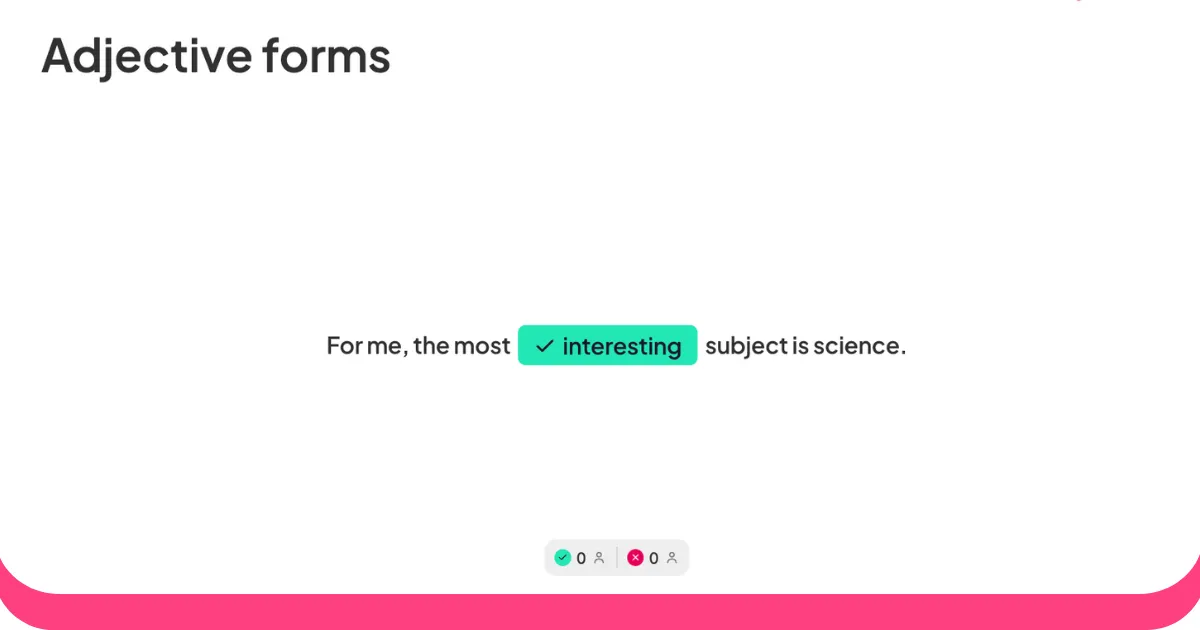



शिक्षकों के पास अच्छी गतिविधियाँ खोजने का समय नहीं होता। उनके पास उन्हें संचालित करने का समय होता है। ऑनलाइन कक्षा खेल एक विशिष्ट समस्या का समाधान करते हैं: ये छात्रों के लिए वास्तव में आकर्षक होते हैं और शिक्षकों के लिए बेहद आसान होते हैं। नीचे दिए गए ग्यारह खेलों को तैयार करने में पाँच मिनट या उससे भी कम समय लगता है, ये सभी विषयों में काम करते हैं और चाहे आप आमने-सामने, हाइब्रिड या पूरी तरह से दूरस्थ शिक्षण पद्धति का उपयोग करें, ये प्रभावी हैं।
2019 के एक सर्वेक्षण में पाया गया कि 88% छात्रों ने कक्षा में होने वाले क्विज़ गेम को सीखने के लिए प्रेरक और उपयोगी माना, और 100% ने कहा कि इनसे पाठ की समीक्षा में मदद मिली [1]। यह आंकड़ा सभी कक्षाओं में सही साबित होता है। यह प्रारूप इसलिए कारगर है क्योंकि खेल प्रतिस्पर्धा को बाहरी रूप देते हैं: छात्र निष्क्रिय रूप से विषयवस्तु को ग्रहण करने के बजाय वास्तविक समय में प्रतिस्पर्धा करते हैं, सहयोग करते हैं और सोचते हैं।
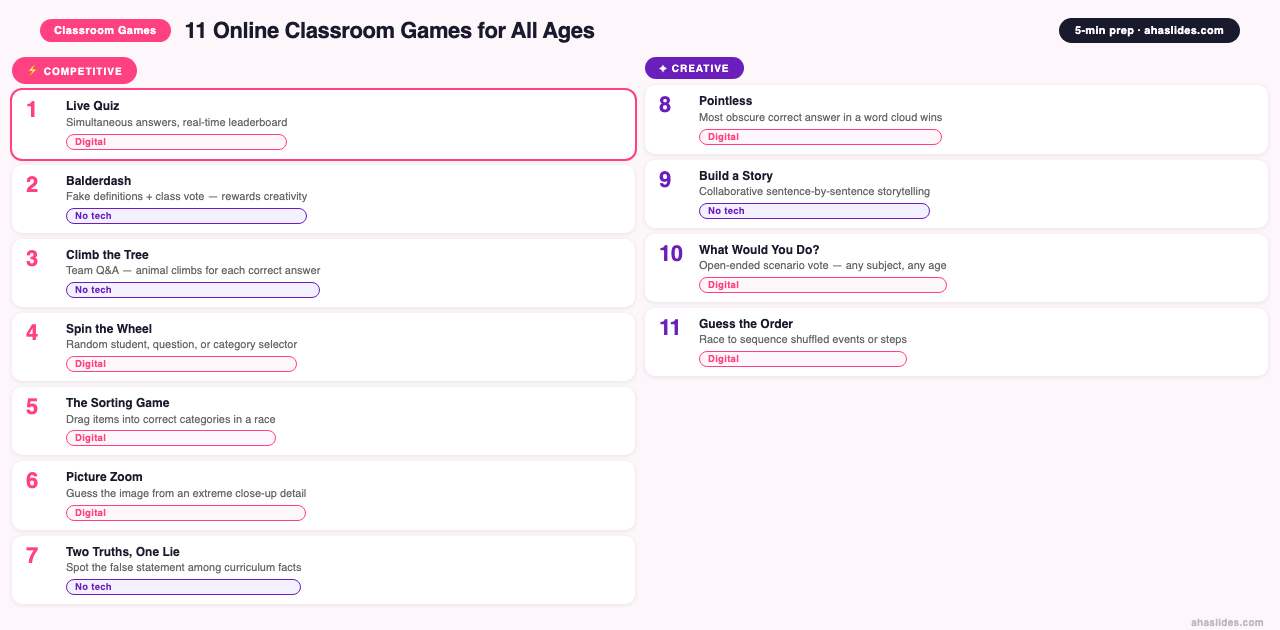
प्रतिस्पर्धी ऑनलाइन कक्षा खेल
कक्षाओं में प्रतिस्पर्धा उसी कारण से काम करती है जिस कारण से यह हर जगह काम करती है: लोग तब अधिक मेहनत करते हैं जब कोई दूसरा भी प्रयास कर रहा होता है।
1. लाइव प्रश्नोत्तरी
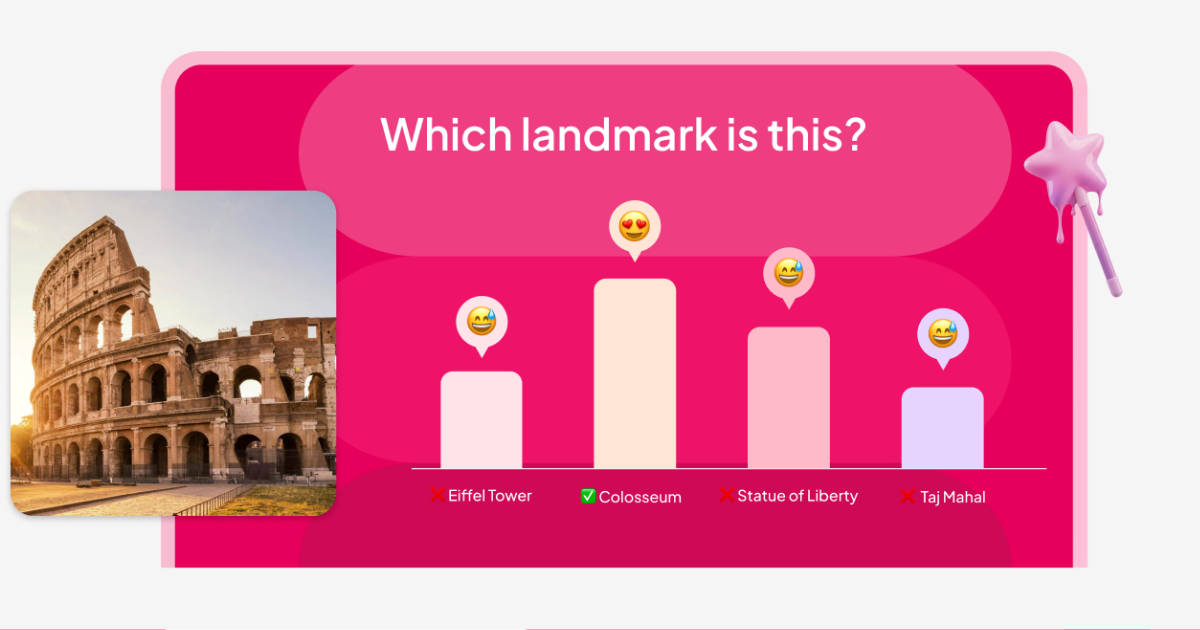
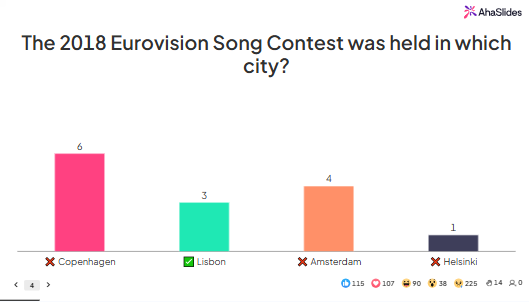
लाइव क्विज़, रिवीजन सेशन में गेम मैकेनिक्स जोड़ने का सबसे सीधा तरीका है। छात्र अपने-अपने डिवाइस पर एक साथ उत्तर देते हैं, स्कोर तुरंत अपडेट होते हैं और प्रत्येक प्रश्न के बाद लीडरबोर्ड दिखाई देता है। प्रतिस्पर्धा का दबाव उन छात्रों को भी प्रेरित करता है जो आमतौर पर पढ़ाई में रुचि नहीं लेते।
यह कैसे काम करता है: एक निःशुल्क क्विज़ टेम्पलेट बनाएं या उसका उपयोग करें लाइव प्रश्नोत्तरी सॉफ्टवेयरआप अपने लैपटॉप से प्रस्तुति दे सकते हैं जबकि छात्र अपने फोन या टैबलेट से जुड़ सकते हैं। क्विज़ व्यक्तिगत रूप से या टीमों में खेले जा सकते हैं।
AhaSlides एक निःशुल्क क्विज़ निर्माण प्लेटफ़ॉर्म है जो बहुविकल्पीय प्रश्नों (MCQs) से लेकर वर्गीकरण तक, विभिन्न प्रकार के निःशुल्क क्विज़ उपलब्ध कराता है। शिक्षक कक्षा की सामग्री अपलोड करके ही AI की सहायता से क्विज़ बना सकते हैं।
2. बलदरदाशी
बाल्डरडैश शब्दावली को एक झांसा देने वाले खेल में बदल देता है। छात्र अस्पष्ट शब्दों के लिए नकली लेकिन विश्वसनीय परिभाषाएँ लिखते हैं, फिर मतदान करके तय करते हैं कि कौन सा उत्तर सही है। यह खेल रचनात्मकता और सावधानीपूर्वक पठन दोनों को समान रूप से पुरस्कृत करता है।
यह कैसे काम करता है: एक लक्ष्य शब्द प्रस्तुत करें। प्रत्येक छात्र एक परिभाषा प्रस्तुत करे। परिभाषा प्रस्तुत करने की प्रक्रिया समाप्त होने के बाद, सभी उत्तरों को गुमनाम रूप से प्रदर्शित करें और कक्षा को मतदान करने दें। जिस छात्र की गलत परिभाषा को वोट मिले, उसे एक अंक दें। सही परिभाषा पहचानने वाले छात्र को दो अंक दें। कई दौर चलाएँ, फिर अंकों की गिनती करें।
सलाह: गुमनाम मतदान से लोकप्रियता का प्रभाव परिणामों पर नहीं पड़ता।
3. पेड़ पर चढ़ो
यह एक सरल टीम-आधारित खेल है जिसके लिए किसी तकनीक की आवश्यकता नहीं है। बोर्ड पर दो पेड़ बनाएँ, प्रत्येक टीम के लिए एक। जब तक प्रत्येक टीम अपने जानवर का चुनाव नहीं कर लेती, तब तक आधार को खाली छोड़ दें।
यह कैसे काम करता है: खेल शुरू होने से पहले, प्रत्येक टीम को यह तय करने के लिए मतदान करने दें कि वे किस जानवर को अपना प्रतिनिधि बनाना चाहते हैं। इससे उत्साह में उल्लेखनीय वृद्धि होती है। फिर पूरी कक्षा से प्रश्न पूछें। जब कोई छात्र सही उत्तर देता है, तो उसकी टीम का जानवर पेड़ पर ऊपर चढ़ जाता है। सबसे पहले शीर्ष पर पहुंचने वाली टीम जीत जाती है।
4. पहिया घुमाएँ
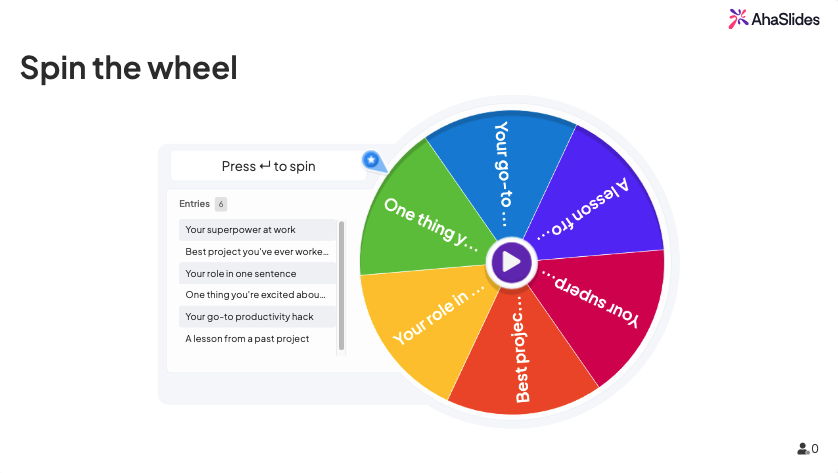
स्पिनर व्हील एक शिक्षक के डिजिटल किट में सबसे बहुमुखी उपकरणों में से एक है। यह एक रैंडम सेलेक्टर, एक पॉइंट जनरेटर या एक कैटेगरी पिकर के रूप में काम करता है।
AhaSlides के साथ यह कैसे काम करता है: स्पिनर का उपयोग करके अगले प्रश्न का उत्तर देने के लिए एक छात्र का चयन करें, सूची से एक यादृच्छिक प्रश्न चुनें, छात्रों को वस्तुओं के नाम बताने के लिए एक श्रेणी का चयन करें, या सही उत्तरों को एक यादृच्छिक अंक मान प्रदान करें।
यह खेल सभी आयु वर्ग के लिए उपयुक्त है। यह न समझें कि यह केवल छोटे बच्चों के लिए है।
5. छँटाई का खेल
विद्यार्थियों को विभिन्न प्रकार की वस्तुएँ (शब्द, अवधारणाएँ, चित्र) दी जाती हैं और उन्हें प्रत्येक को सही श्रेणी में रखने की होड़ लगी रहती है। यह खेल वर्गीकरण संबंधी ज्ञान का परीक्षण करता है और उत्तर आने पर उनमें स्पष्ट प्रतिस्पर्धा का भाव पैदा करता है।
यह कैसे काम करता है: "तथ्य बनाम राय" या "रीढ़धारी बनाम अकशेरुकी" जैसी श्रेणियां बनाएं। छांटने के लिए 10 से 15 आइटम जोड़ें। छात्र अपने डिवाइस पर जुड़कर आइटम को श्रेणियों में ड्रैग करके डाल सकते हैं। परिणाम तुरंत दिखाई देंगे।
6. चित्र ज़ूम करें
किसी परिचित छवि के बेहद क्लोज-अप शॉट से शुरुआत करें। छात्र पूरी छवि दिखाए जाने से पहले ही अनुमान लगा लें कि वह क्या है। सही उत्तर देने की गति के आधार पर अंक मिलते हैं।
यह कैसे काम करता है: अपने क्विज़ सॉफ़्टवेयर में एक फ़ोटो अपलोड करें और उसे ज़ूम करके एक-एक डिटेल दिखाएँ। छात्रों को अपना अनुमान टाइप करने के लिए समय दें। उत्तर देने की गति के आधार पर अंक दें। अंत में उत्तर का खुलासा होने पर, बड़े छात्रों सहित सभी छात्रों की स्वाभाविक प्रतिक्रिया होती है।
सुझाव: विषय से संबंधित छवियों का उपयोग करें। जीव विज्ञान की कक्षा के लिए, कोशिका संरचना को ज़ूम करके देखें। इतिहास के लिए, किसी प्रसिद्ध फ़ोटो को ज़ूम करके देखें।
7. दो सच, एक झूठ
एक क्लासिक प्रारूप जो पाठ्यक्रम सामग्री से जुड़ने पर पाठ समीक्षा उपकरण बन जाता है।
यह कैसे काम करता है: पाठ समाप्त होने के बाद, विद्यार्थी (व्यक्तिगत रूप से या समूह में) पाठ से संबंधित दो सत्य कथन और एक असत्य कथन लिखते हैं जो तर्कसंगत प्रतीत होता है। प्रत्येक विद्यार्थी अपने तीनों कथन प्रस्तुत करता है। सहपाठी मतदान करके तय करते हैं कि कौन सा कथन असत्य है। असत्य कथन लिखने वाले विद्यार्थी को प्रत्येक गलत मतदान के लिए एक अंक मिलता है। असत्य कथन को पहचानने वाले सहपाठियों को भी एक-एक अंक मिलता है।
रचनात्मक ऑनलाइन कक्षा खेल
हर छात्र प्रतिस्पर्धी प्रारूप में अच्छा प्रदर्शन नहीं करता। ये खेल गति के बजाय रचनात्मकता, सहयोग और मौलिक सोच को पुरस्कृत करते हैं।
8. व्यर्थ
ब्रिटिश टीवी प्रारूप पर आधारित, पॉइंटलेस में गति की बजाय अनिश्चितता को महत्व दिया जाता है। इसका लक्ष्य ऐसे सही उत्तर देना है जो किसी और के दिमाग में न आए।
यह कैसे काम करता है: वर्ड क्लाउड टूल का इस्तेमाल करें। कक्षा को एक श्रेणी दें और सभी से कहें कि वे सबसे कम प्रचलित सही उत्तर प्रस्तुत करें। सबसे लोकप्रिय शब्द सबसे बड़े अक्षरों में दिखाई देंगे। गलत उत्तरों को हटा दें, फिर सबसे आम शब्द से शुरू करते हुए तब तक आगे बढ़ें जब तक कि एक शब्द शेष न रह जाए। जिस छात्र का उत्तर सबसे लंबे समय तक शेष रहेगा, वह जीत जाएगा।
9. एक कहानी बनाएं
एक सहयोगात्मक कहानी सुनाने की गतिविधि जो रचनात्मक वार्म-अप और साक्षरता अभ्यास दोनों के रूप में काम करती है।
यह कैसे काम करता है: एक वाक्य से कहानी की शुरुआत करें। इसे एक छात्र को दें, जो इसमें एक वाक्य जोड़े, और फिर इसे आगे बढ़ा दे। हर जोड़ा गया वाक्य पिछले वाक्य से तार्किक रूप से जुड़ा होना चाहिए। हर जोड़े गए वाक्य को लिख लें ताकि कक्षा कहानी को आगे बढ़ते हुए देख सके। अंत में, पूरी कहानी को कक्षा के साथ पढ़ें।
यह लेखन पाठों के लिए एक अच्छा वार्म-अप है क्योंकि यह स्वतंत्र कार्य शुरू होने से पहले कल्पना को सक्रिय करता है।
10. आप क्या करेंगे?
एक ओपन-एंडेड सिनेरियो गेम जो आलोचनात्मक सोच और रचनात्मक तर्क क्षमता विकसित करता है।
यह कैसे काम करता है: अपने पाठ से संबंधित एक परिदृश्य प्रस्तुत करें। छात्रों से पूछें कि वे क्या करेंगे, प्रारूप के लिए कोई नियम नहीं है। सभी प्रतिक्रियाओं को एक साथ एकत्रित करने के लिए एक ब्रेनस्टॉर्मिंग टूल का उपयोग करें, फिर सबसे रचनात्मक उत्तर पर कक्षा में मतदान कराएं।
सुझाव: चुनौती का एक अतिरिक्त स्तर जोड़ने के लिए, छात्रों से उस ऐतिहासिक व्यक्ति या चरित्र के दृष्टिकोण से उत्तर देने के लिए कहें जिसका आप अध्ययन कर रहे हैं।
11. क्रम का अनुमान लगाएँ
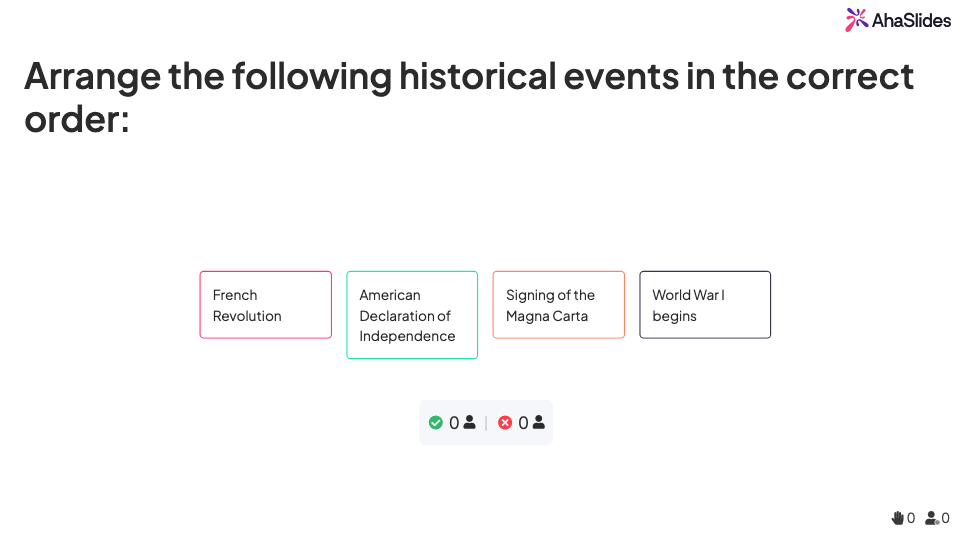
यह एक क्रमबद्धता का खेल है जिसमें छात्र वस्तुओं की एक अव्यवस्थित सूची (ऐतिहासिक घटनाएँ, किसी प्रक्रिया के चरण, नुस्खा संबंधी निर्देश) को सही क्रम में लगाते हैं। यह एक ऐसे प्रारूप में स्मरण शक्ति का परीक्षण करता है जो परीक्षा की बजाय पहेली जैसा लगता है।
AhaSlides के साथ यह कैसे काम करता है: एक "सही क्रम" स्लाइड बनाएं। वस्तुओं को सही क्रम में टाइप करें और प्लेटफ़ॉर्म उन्हें स्वचालित रूप से शफ़ल कर देगा। छात्र अपने उपकरणों पर वस्तुओं को व्यवस्थित करने के लिए प्रतिस्पर्धा करेंगे। सबसे तेज़ सही उत्तर देने वाला विजेता होगा।
यह प्रारूप विशेष रूप से इतिहास की समयरेखाओं, वैज्ञानिक प्रक्रियाओं और प्रक्रियात्मक लेखन के लिए उपयुक्त है।
बोनस: उत्तर का चित्र बनाएं
कुछ उत्तर लिखने की तुलना में चित्र बनाकर देना ज़्यादा आसान होता है। इस प्रश्न में हर छात्र एक मिनट के अंदर अपना योगदान देगा, यहाँ तक कि वे छात्र भी जो कभी हाथ नहीं उठाते।
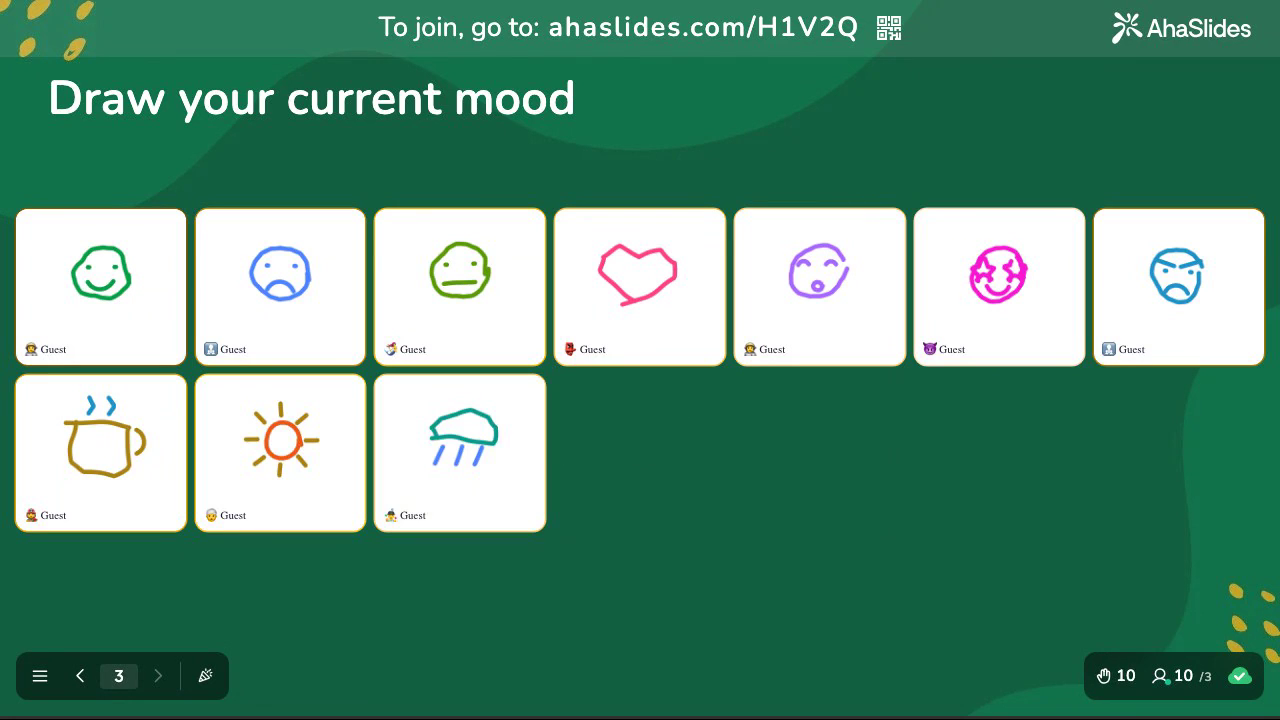
AhaSlides के साथ यह कैसे काम करता है: एक 'उत्तर बनाएं' स्लाइड जोड़ें और प्रश्न के रूप में अपना संकेत लिखें। छात्र अपने फ़ोन से जुड़ें और प्रत्येक को पेन रंगों, ब्रश के आकार को बदलने वाले स्लाइडर, इरेज़र और अनडू बटन के साथ एक खाली कैनवास मिलेगा। वे स्केच बनाते हैं, सबमिट बटन दबाते हैं और सभी चित्र छात्र के नाम के साथ आपकी स्क्रीन पर एक साथ दिखाई देते हैं।
यह समझ की जाँच ("जल चक्र कैसा दिखता है, उसका चित्र बनाइए"), मनोदशा का आकलन ("इस इकाई में अब तक क्या चल रहा है, उसका चित्र बनाइए"), या सीधे-सीधे अभ्यास ("अपने सप्ताहांत का एक चित्र बनाइए") के रूप में काम करता है। इसमें कोई अंक नहीं दिए जाते और न ही कोई लीडरबोर्ड है, इसलिए कक्षा में माहौल शांत रहता है और कक्षा के शांत रहने वाले छात्र भी इसमें भाग लेते हैं।
सलाह: दिए गए निर्देशों को एक ही विचार तक सीमित रखें और 60 सेकंड की सख्त समय सीमा निर्धारित करें। विस्तृत रेखाचित्रों की तुलना में कच्चे रेखाचित्र स्क्रीन पर बेहतर दिखते हैं, और समय का दबाव छात्रों को इस बात की चिंता करने से रोकता है कि वे चित्र बना सकते हैं या नहीं।
AhaSlides के साथ शुरुआत करें
ऊपर दिए गए कई गेम, जिनमें लाइव क्विज़, स्पिनर व्हील, वर्ड क्लाउड, सॉर्टिंग गेम और सही क्रम गतिविधि शामिल हैं, बिना डाउनलोड किए सीधे AhaSlides पर चलते हैं। छात्र रूम कोड का उपयोग करके अपने फ़ोन से जुड़ते हैं, और परिणाम आपकी स्क्रीन पर लाइव दिखाई देते हैं।
अक्सर पूछे जाने वाले प्रश्न
क्या ये खेल बड़े विद्यार्थियों के लिए उपयुक्त हैं?
जी हाँ। इस सूची में शामिल प्रतिस्पर्धी और रचनात्मक प्रारूप सभी आयु वर्ग के लिए कारगर हैं, माध्यमिक विद्यालय के छात्रों से लेकर वयस्क शिक्षार्थियों तक। विशेष रूप से स्पिनर व्हील और पॉइंटलेस प्रारूप वयस्कों के लिए भी उतने ही प्रभावी हैं जितने कि छोटे छात्रों के लिए।
क्या छात्रों को अपने स्वयं के उपकरणों की आवश्यकता है?
डिजिटल गेम (लाइव क्विज़, वर्ड क्लाउड, सॉर्टिंग गेम, करेक्ट ऑर्डर) में भाग लेने के लिए छात्रों को फ़ोन या टैबलेट की आवश्यकता होती है। नॉन-टेक गेम (बाल्डरडैश, क्लाइम्ब द ट्री, बिल्ड अ स्टोरी, टू ट्रुथ्स वन लाइ) के लिए किसी डिवाइस की आवश्यकता नहीं होती है।
इन खेलों को खेलने में कितना समय लगता है?
अधिकांश क्विज़ 5 से 15 मिनट में पूरी हो जाती हैं। लाइव क्विज़ की अवधि प्रश्नों की संख्या पर निर्भर करती है। 'कहानी बनाओ' और 'आप क्या करेंगे' जैसे क्विज़ चर्चा के चरण को बढ़ाकर अधिक समय तक चल सकते हैं।
क्या इन खेलों का उपयोग मूल्यांकन के लिए किया जा सकता है?
जी हां। लाइव क्विज़ और सॉर्टिंग गेम दोनों से ऐसा डेटा जेनरेट होता है जिसे आप सेशन के बाद देख सकते हैं। AhaSlides परिणामों को एक्सपोर्ट करता है ताकि आप देख सकें कि छात्रों को किन प्रश्नों में सबसे ज़्यादा कठिनाई हुई, जिससे ये गेम सहभागिता और रचनात्मक मूल्यांकन दोनों के लिए उपयोगी साबित होते हैं।
सूत्रों का कहना है
[1] लिकोरिश, एस.ए., ओवेन, एच.ई., डैनियल, बी., और जॉर्ज, जे.एल. (2018). छात्रों की धारणा Kahootशिक्षण और अधिगम पर इसका प्रभाव। प्रौद्योगिकी-संवर्धित शिक्षण में अनुसंधान और अभ्यास, 13(1), 9. https://doi.org/10.1186/s41039-018-0078-8