


عندما يدخل المشاركون ورشة عمل تطوير القيادة، فإنهم لا يبحثون عن مجرد نظريات. إنهم يواجهون تحديات حقيقية: فرق عمل غير متفاعلة، حوارات صعبة، مقاومة للتغيير، والضغط اليومي لتحقيق النتائج مع تطوير الأفراد. ستحدد مهارات القيادة التي تساعدهم على بنائها ما إذا كانوا يديرون فقط أم يقودون حقًا.
يستكشف هذا الدليل الشامل الكفاءات القيادية الأساسية التي أثبتت الأبحاث أنها تُحدث فرقًا ملموسًا، إلى جانب استراتيجيات عملية لتطوير هذه المهارات من خلال تدريب تفاعلي وجذاب يبقى راسخًا في الذاكرة.
ما هي مهارات القيادة؟
تُعرَّف مهارات القيادة بأنها القدرات التي تُمكّن الأفراد من توجيه فرق العمل، وتحفيز العمل، وتحقيق الأهداف المشتركة من خلال التأثير لا السلطة وحدها. وعلى عكس السلطة الرسمية، تتمحور هذه الكفاءات حول التأثير الاجتماعي: القدرة على تحفيز الجهد الذاتي، وبناء فرق عمل عالية الأداء، وإحداث تأثير تنظيمي مستدام.
بحث من مركز القيادة الإبداعيةتُبيّن دراسةٌ أُجريت على فعالية القيادة لأكثر من خمسين عامًا، أن القيادة القوية تُرسّخ التوجيه والتوافق والالتزام داخل المجموعات. ويتجاوز هذا الإطار مفهوم "الرجل العظيم" ليُقرّ بأن القيادة مجموعةٌ من السلوكيات والكفاءات القابلة للتعلم.
بالنسبة لمدربي الشركات والمتخصصين في التعلم والتطوير، يُعدّ هذا التمييز بالغ الأهمية. فبينما قد يمتلك بعض الأفراد ميولًا فطرية نحو سلوكيات قيادية معينة، فإن المهارات التي تُكوّن قادةً فاعلين حقًا تتطور من خلال الممارسة المُتعمّدة، والتغذية الراجعة البنّاءة، والتطبيق العملي. ودورك في تيسير هذا التطور يُسهم في بناء قادة يُحدثون نقلة نوعية في أداء المؤسسة.
الفرق بين القيادة والإدارة
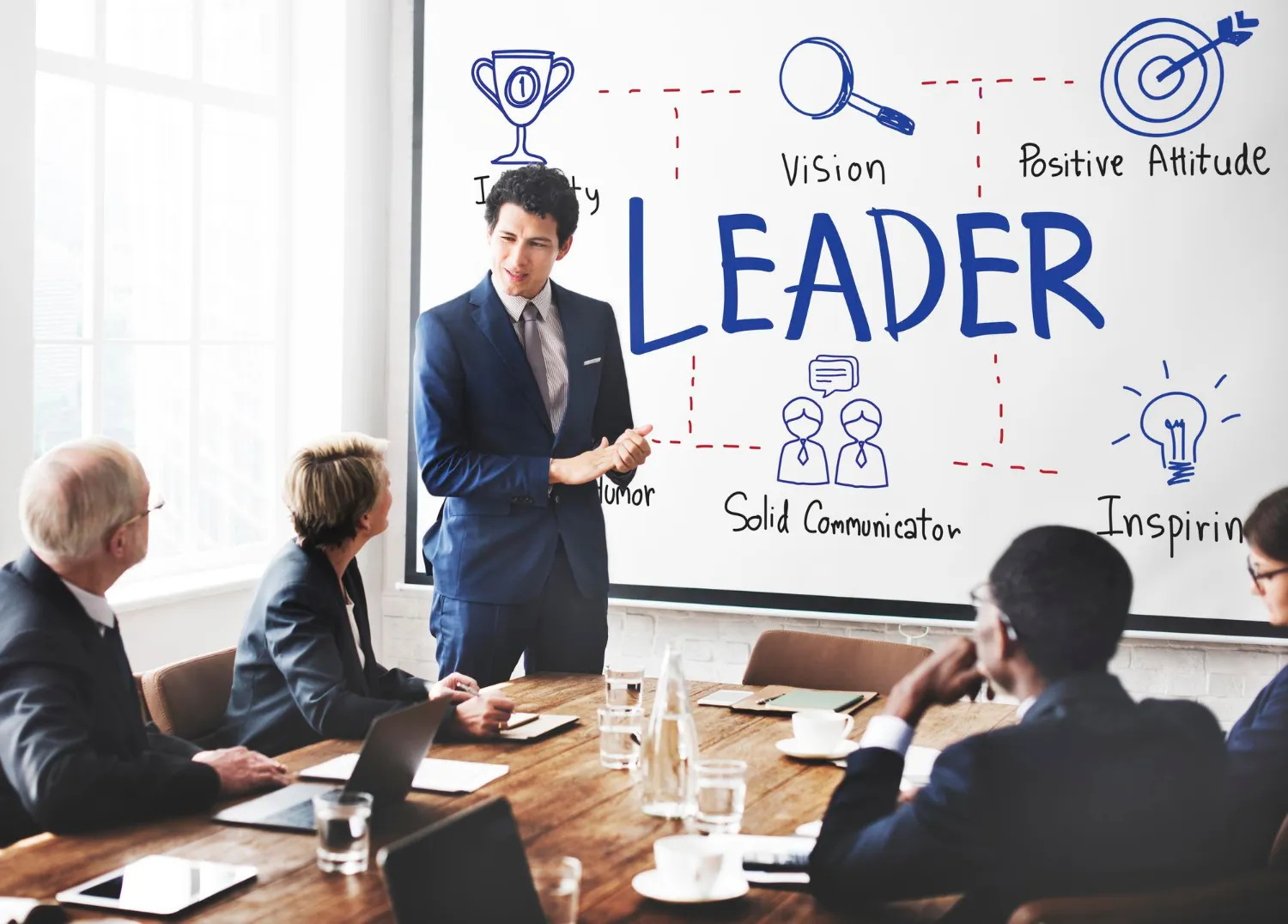
يخلط العديد من القادة الناشئين بين الإدارة والقيادة، لكن فهم الفرق بينهما يُؤثر بشكل كبير على كيفية تصميم برامج التطوير. تركز الإدارة على تنفيذ الخطط، وتنظيم الموارد، وضمان الكفاءة التشغيلية. أما القيادة فتتمحور حول الرؤية والتأثير وإلهام الفرق لتحقيق أهداف طموحة.
كلاهما ضروري. يحتاج القادة العظماء إلى مهارات إدارية لتنفيذ رؤيتهم، بينما يستفيد المديرون الفعالون من الصفات القيادية التي تحفز فرقهم. وتدمج برامج التطوير الأكثر تأثيراً كلا المجموعتين من المهارات مع التركيز على القدرات القيادية التي تعزز المشاركة والأداء.
بالنسبة للمدربين الذين يعملون مع المديرين من المستوى المتوسط الذين ينتقلون إلى أدوار قيادية، يساعد هذا التمييز المشاركين على فهم مسؤولياتهم المتزايدة: فهم ينتقلون من التميز كمساهم فردي إلى مضاعفة التأثير من خلال الآخرين.
هل يُولد القادة أم يُصنعون؟
يطرح هذا السؤال في جميع برامج القيادة تقريبًا، وتؤثر الإجابة عليه في طريقة تفكير المشاركين. فبينما تشير نظرية السمات إلى وجود بعض المزايا الفطرية الموروثة، تُظهر الأبحاث السلوكية بشكل قاطع أن الكفاءات القيادية تتطور من خلال الجهد المقصود والخبرة.
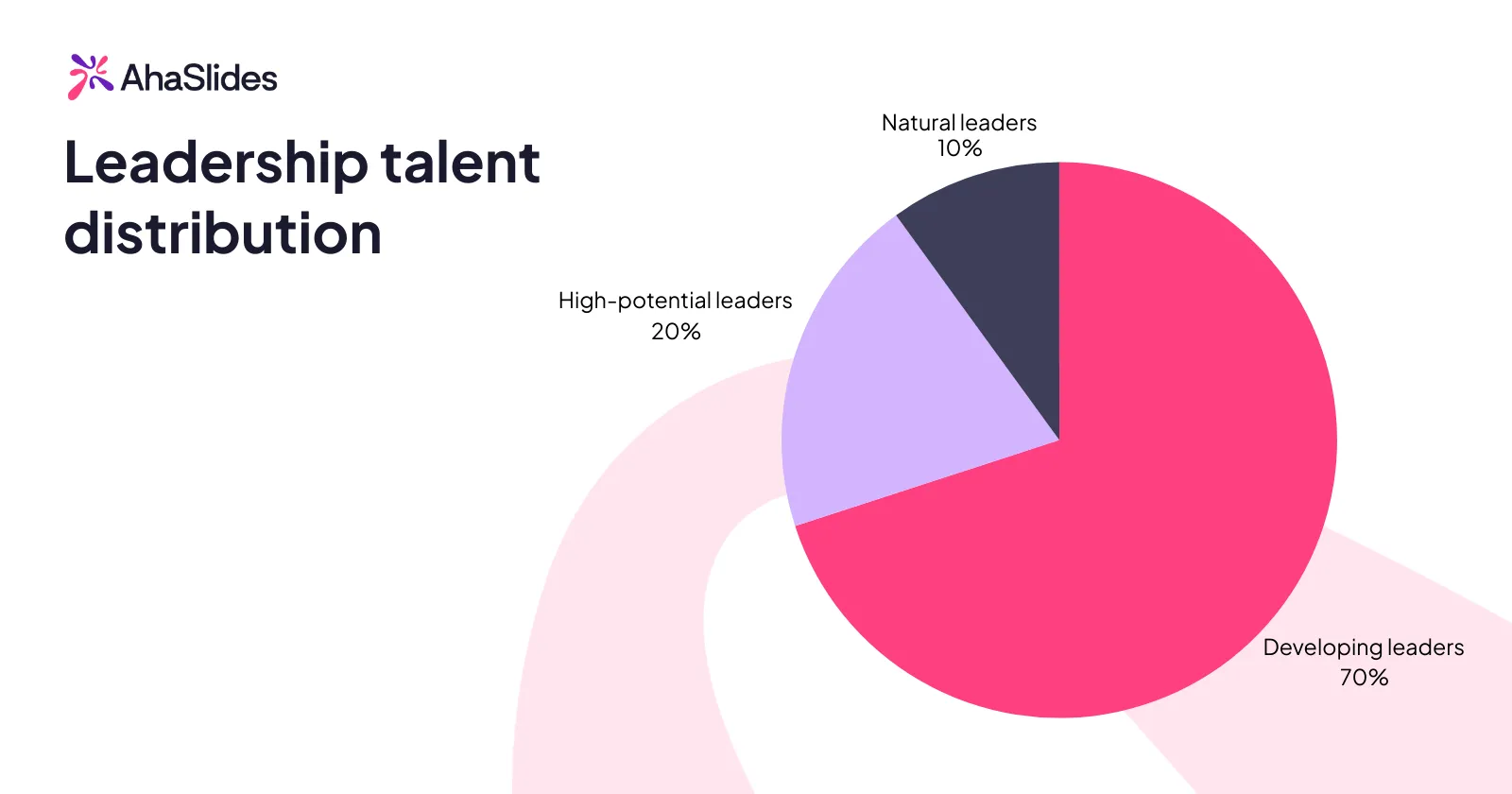
أظهرت دراسة أجرتها مؤسسة غالوب أن بينما يمتلك حوالي 10% من الناس موهبة قيادية فطرية، فإن 20% آخرين لديهم إمكانات قوية يمكن للتطوير المتعمد أن يطلق العنان لهاأما النسبة المتبقية البالغة 70% فيمكنها تطوير مهارات قيادية فعالة من خلال التعلم المنظم والممارسة والتدريب.
ينبغي أن يشجع هذا البحث كل مدرب: فمهارات القيادة التي يحتاجها المشاركون قابلة للتطوير بشكل كامل. ما يميز القادة الفطريين عن القادة المكتسبين ليس سقف إمكاناتهم، بل نقطة انطلاقهم. باتباع النهج التطويري الصحيح، يستطيع الأفراد على أي مستوى بناء الكفاءات التي تدفع أداء الفريق.
يكمن السر في ابتكار تجارب تعليمية تجمع بين نقل المعرفة والممارسة السلوكية والتغذية الراجعة التأملية. وتُسهم أساليب التدريب التفاعلية التي تُشرك المشاركين في تطبيق المفاهيم فوراً في تسريع هذا التطور بشكل ملحوظ.
12 كفاءة قيادية أساسية لمكان العمل اليوم
1. الوعي الذاتي والممارسة التأملية
يدرك القادة الواعون بذواتهم نقاط قوتهم، وحدودهم، ومحفزاتهم العاطفية، وتأثيرهم على الآخرين. هذه الكفاءة الأساسية تمكّن القادة من ضبط سلوكهم، وطلب الدعم المناسب، والتحسين المستمر لفعاليتهم.
تُشير الأبحاث في علم النفس التنظيمي باستمرار إلى أن الوعي الذاتي هو أقوى مؤشر على نجاح القيادة. فالقادة الذين يُقيّمون قدراتهم بدقة يتخذون قرارات أفضل بشأن التفويض والتطوير والتوجيه الاستراتيجي.
كيفية تطويره: تطبيق 360 درجة ردود الفعل تقييمات تزود القادة بمعلومات شاملة من المشرفين والزملاء والمرؤوسين المباشرين. إنشاء ممارسات تأملية باستخدام تدوين يومي منظم أو محادثات تدريب الأقران. في ورش العمل، استخدم استطلاعات الرأي المجهولة لمساعدة القادة على رؤية كيف تقارن تصوراتهم الذاتية بمعايير المجموعة، مما يخلق لحظات "إدراك" قوية حول نقاط الضعف.
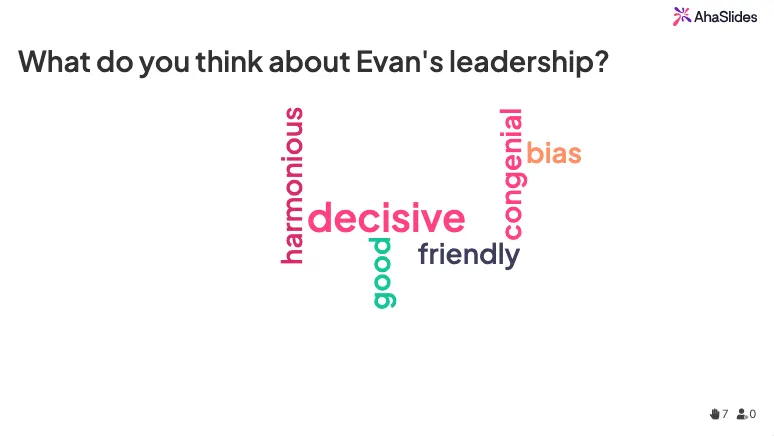
تُتيح الأدوات التفاعلية، مثل سحب الكلمات المباشرة، رصد تصورات الفريق لسلوكيات القيادة في الوقت الفعلي، مما يوفر تغذية راجعة فورية تُعزز الوعي الذاتي. فعندما يرى المشاركون آراء فريقهم الصادقة معروضة بشكل مجهول، فإنهم يكتسبون رؤىً غالباً ما تغيب عن التغذية الراجعة التقليدية.
2. التفكير الاستراتيجي واتخاذ القرارات
يربط القادة الاستراتيجيون العمليات اليومية بالرؤية طويلة الأجل، متوقعين التحديات والفرص قبل أن تصبح ملحة. هذه الكفاءة تميز المديرين الذين يتفاعلون مع الأحداث عن القادة الاستباقيين الذين يهيئون فرقهم لتحقيق نجاح مستدام.
يوازن اتخاذ القرارات الفعّالة بين الدقة التحليلية والتنفيذ في الوقت المناسب. وتؤكد الأبحاث الصادرة عن كلية هارفارد للأعمال أن أفضل القادة يجمعون وجهات نظر متنوعة، ويحددون معايير القرار الرئيسية، ويتخذون قرارات حاسمة بمجرد حصولهم على معلومات كافية.
كيفية تطويره: صمم برنامجًا تعليميًا قائمًا على سيناريوهات واقعية، حيث يحلل المشاركون مواقف تجارية معقدة ويدافعون عن خياراتهم الاستراتيجية. استخدم استطلاعات رأي مباشرة لعرض وجهات نظر متنوعة حول الخيارات الاستراتيجية، موضحًا كيف يُعزز التنوع المعرفي عملية اتخاذ القرارات. أنشئ أطرًا لاتخاذ القرارات المنظمة، يمارسها المشاركون بشكل متكرر حتى تصبح عادةً لديهم.
تتيح جلسات الأسئلة والأجوبة التفاعلية أثناء التدريب للمشاركين استكشاف المنطق الكامن وراء الخيارات الاستراتيجية، بينما يكشف التصويت في الوقت الفعلي على خيارات الاستراتيجية عن أنماط التفكير والتحيزات الشائعة داخل المجموعة.
3. التواصل والاستماع الفعال
تُحدد فعالية التواصل قدرة القادة على صياغة الرؤية بوضوح، وتقديم التوجيهات الدقيقة، وبناء الفهم الذي يُحفز التوافق. لكن التواصل القيادي الحقيقي يتجاوز مجرد الوضوح ليشمل الإنصات الفعّال الذي يجعل الناس يشعرون بأنهم مسموعون ومُقدّرون.
يؤكد مركز القيادة الإبداعية أن التواصل عنصر لا ينفصل عن القيادة الفعالة. يجب على القادة تكييف أسلوب تواصلهم مع مختلف الجماهير والسياقات والأهداف، سواء كانوا يقدمون عروضاً للمديرين التنفيذيين، أو يدربون أعضاء الفريق، أو يديرون حوارات صعبة.
كيفية تطويره: مارس تمارين الاستماع الفعال المنظمة حيث يعيد المشاركون صياغة ما سمعوه قبل الرد. يسّر إجراء تقييمات لأساليب التواصل لمساعدة القادة على فهم كيفية استقبال الشخصيات المختلفة للمعلومات. وفر فرصًا للعروض التقديمية مع تلقي تعليقات فورية من المشاركين عبر مقاييس تقييم مجهولة المصدر.
4. الذكاء العاطفي والتعاطف
يُدرك القادة ذوو الذكاء العاطفي مشاعرهم ويتحكمون بها، بينما يقرؤون بدقة ويتفاعلون مع الحالات العاطفية للآخرين. هذه الكفاءة تبني الثقة، وتقلل النزاعات، وتخلق بيئات آمنة نفسياً حيث يُساهم الأفراد بأفضل أفكارهم.
تُظهر الأبحاث باستمرار أن القادة ذوي الذكاء العاطفي العالي يُنشئون فرق عمل أكثر تفاعلاً، مع انخفاض معدل دوران الموظفين وارتفاع الأداء. وتُمكّن القدرة على التعاطف، على وجه الخصوص، القادة من فهم وجهات النظر المتنوعة والتعامل مع التعقيدات الشخصية بحساسية.
كيفية تطويره: قم بإجراء تمارين تمثيل الأدوار لتنمية مهارات التعاطف وفهم وجهات نظر الآخرين. يسّر المناقشات حول المحفزات العاطفية واستراتيجيات تنظيمها. استخدم استطلاعات رأي مجهولة المصدر لقياس معنويات الفريق وسلامته النفسية، مما يمنح القادة بيانات حقيقية حول المناخ العاطفي.
5. توافق الرؤية والهدف
يُقدّم القادة ذوو الرؤية رؤى مستقبلية مُلهمة تُحفّز فرق العمل وتُضفي معنىً يتجاوز العمل الروتيني. وتربط القيادة القائمة على الهدف المساهمات الفردية برسالة المؤسسة الأوسع، مما يزيد من المشاركة والالتزام.
أظهرت دراسة أجرتها مؤسسة غالوب أن الموظفين الذين يفهمون كيف يساهم عملهم في تحقيق أهداف المؤسسة يحققون أداءً أفضل بنسبة 27% وانخفاضًا ملحوظًا في معدل دوران الموظفين. ويساهم القادة الذين يربطون باستمرار بين المهام اليومية والنتائج الملموسة في خلق هذا التوافق.
كيفية تطويره: يسّر ورش عمل لصياغة الرؤية، حيث يقوم القادة بتطوير وتوضيح غاية فريقهم. مارس تمارين "الدائرة الذهبية" التي تنتقل من "ما تفعله الفرق"، إلى "كيف تفعله"، إلى "لماذا هو مهم". استخدم استطلاعات رأي مباشرة لاختبار مدى صدى بيانات الرؤية لدى مختلف أصحاب المصلحة.
6. التفويض والتمكين
لا يعني التفويض الفعال التخلي عن المسؤولية، بل توزيع العمل استراتيجياً لتطوير قدرات الفريق مع تحقيق النتائج. فالقادة الذين يفوضون المهام بكفاءة يخلقون آثاراً مضاعفة، ويبنون قدرات تنظيمية تتجاوز بكثير مساهمتهم الفردية.
تُظهر الأبحاث المتعلقة بفعالية القيادة أن عدم القدرة على تفويض المهام يُعدّ أحد أهم عوامل فشل المديرين الواعدين. فالقادة الذين يحاولون السيطرة على كل شيء يُسببون اختناقات في العمل، ويُعيقون نمو الفريق، ويؤدي في النهاية إلى الإرهاق.
كيفية تطويره: قم بتدريس أطر تفويض منظمة تُطابق المهام مع احتياجات تطوير أعضاء الفريق. مارس محادثات التفويض باستخدام لعب الأدوار مع تقديم ملاحظات تدريبية فورية. أنشئ اتفاقيات مساءلة توضح التوقعات مع توفير الاستقلالية.
استخدم سيناريوهات تفاعلية حيث يقرر المشاركون ما الذي سيتم تفويضه، ولمن، وبأي دعم.
7. عقلية التدريب والتطوير
يُضاعف القادة الذين يُحسنون التوجيه أثرهم من خلال تنمية قدرات كل من حولهم. ينظر هذا النهج القائم على عقلية النمو إلى التحديات على أنها فرص للتطوير، وإلى الأخطاء على أنها لحظات للتعلم لا إخفاقات.
بحث كارول دويك حول عقلية النمو يُظهر ذلك أن القادة الذين يؤمنون بإمكانية تطوير القدرات يُنشئون فرقًا ذات أداءٍ أعلى تتميز بقدرٍ أكبر من الابتكار والمرونة. ويُحوّل نهج التدريب تركيز القيادة من امتلاك جميع الإجابات إلى طرح أسئلة تُنمّي تفكير الآخرين.
كيفية تطويره: درّب القادة على نماذج حوار التوجيه مثل نموذج GROW (الأهداف، الواقع، الخيارات، الإرادة). مارس طرح أسئلة فعّالة بدلاً من تقديم حلول فورية. أنشئ مجموعات توجيه ثلاثية بين الأقران حيث يمارس القادة مهارات التوجيه ويتلقون ملاحظات عليها.
8. القدرة على التكيف والمرونة
القادة القادرون على التكيف يجيدون التعامل مع عدم اليقين والتغيير بفعالية، مما يساعد فرقهم على الحفاظ على إنتاجيتها رغم التحديات. تُمكّن المرونة القادة من التعافي من النكسات، والحفاظ على نظرة إيجابية خلال الصعوبات، وتقديم نموذج للقوة العاطفية التي تدعم التزام الفريق.
تُظهر الأبحاث حول القيادة في ظلّ الاضطرابات أن القادة القادرين على التكيّف يركزون على ما يمكنهم التحكم فيه، ويتواصلون بشفافية بشأن حالة عدم اليقين، ويحافظون على تماسك الفريق خلال الفترات المضطربة. وقد أصبحت هذه الكفاءة ضرورية بشكل متزايد في بيئات الأعمال المتقلبة.
كيفية تطويره: تيسير تمارين تخطيط السيناريوهات التي تُهيئ القادة لمواجهة احتمالات مستقبلية متعددة. ممارسة تمارين إعادة صياغة الأفكار التي تستكشف الفرص الكامنة في التحديات. مشاركة أبحاث المرونة واستراتيجيات الحفاظ على الصحة النفسية في ظل الضغوط.
9. التعاون وبناء العلاقات
يعمل القادة المتعاونون بفعالية عبر الحدود، ويبنون شبكات وشراكات تحقق أهدافًا لا يمكن لأي فرد أو فريق تحقيقها بمفرده. وتشمل هذه الكفاءة تقدير وجهات النظر المتنوعة، والتعامل مع السياسات التنظيمية بشكل بنّاء، وخلق نتائج مربحة للجميع.
تُظهر الأبحاث التي أجراها مركز القيادة الإبداعية حول القيادة التي تتجاوز الحدود أن القادة الأكثر فعالية يربطون بنشاط بين الأشخاص والأفكار عبر الحواجز التقليدية، مما يخلق الابتكار من خلال تركيبات غير متوقعة.
كيفية تطويره: أنشئ مجموعات تعلم متعددة الوظائف تعمل معًا على حل التحديات التنظيمية الحقيقية. يسّر ممارسة مهارات التواصل من خلال بروتوكولات منظمة لبناء العلاقات. درّب على رسم خرائط أصحاب المصلحة وتطوير استراتيجيات التأثير.
10. المساءلة الشجاعة
الشجاعة في القيادة تعني خوض حوارات صعبة، واتخاذ قرارات غير شعبية ولكنها ضرورية، ومحاسبة الأفراد على التزاماتهم رغم ما قد يسببه ذلك من إزعاج. هذه الكفاءة تبني الثقة من خلال الاتساق والنزاهة.
تُظهر الأبحاث المتعلقة بالأمان النفسي أن الفرق الأكثر أمانًا نفسيًا تحافظ أيضًا على معايير عالية للمساءلة. ويخلق الجمع بين الدعم والتحدي بيئات يصبح فيها التميز هو القاعدة.
كيفية تطويره: مارسوا حوارات المساءلة المنظمة باستخدام أطر عمل مثل SBI (الموقف - السلوك - التأثير). تدربوا على سيناريوهات صعبة مع توجيه فوري. يسّروا النقاشات حول الفرق بين المساءلة وإلقاء اللوم.
11. القيادة الشاملة
يُهيئ القادة الشاملون بيئاتٍ تُمكّن الجميع من المساهمة بشكلٍ كامل، بغض النظر عن خلفياتهم أو هوياتهم أو أساليب عملهم. وتُقرّ هذه الكفاءة بأن التنوع لا يُحقق ميزة تنافسية إلا عندما يُتيح الإدماج ظهور وجهات نظر متنوعة والتأثير في القرارات.
تُظهر الأبحاث التي أجرتها شركة ماكينزي أن المنظمات التي لديها فرق قيادة متنوعة تتفوق بشكل كبير على المنظمات المتجانسة، ولكن فقط عندما تسمح الثقافات الشاملة للأصوات المتنوعة بالتأثير على الاستراتيجية والعمليات.
كيفية تطويره: تيسير التدريب على التوعية بالتحيزات اللاواعية بما يتجاوز مجرد الوعي إلى تغيير السلوك. ممارسة تقنيات تيسير الاجتماعات الشاملة. تعليم استراتيجيات لتعزيز أصوات الفئات المهمشة.
12. التوجه نحو التعلم المستمر
يسعى القادة المتعلمون والمرنون إلى الحصول على التغذية الراجعة، ويتأملون في تجاربهم، ويطورون أساليبهم باستمرار بناءً على ما يكتشفونه. هذه الكفاءة هي ما يميز القادة الذين يصلون إلى مرحلة الركود عن أولئك الذين يواصلون النمو طوال مسيرتهم المهنية.
تُظهر الأبحاث أن سرعة التعلم، والتي تُعرف بأنها معرفة ما يجب فعله عندما لا تعرف ما يجب فعله، تتنبأ بنجاح القيادة بشكل أفضل من الذكاء أو الخبرة في المجال وحدهما.
كيفية تطويره: ابتكر مشاريع تعليمية تطبيقية تتطلب من القادة تجاوز حدود تخصصاتهم. يسّر إجراء مراجعات لاحقة تستخلص الدروس من النجاحات والإخفاقات على حد سواء. كن قدوة في إظهار نقاط ضعفك فيما يتعلق بنقاط ضعفك في التعلم.
تطوير مهارات القيادة من خلال التدريب التفاعلي
تُنتج برامج تطوير القيادة التقليدية القائمة على المحاضرات المعرفة، لكنها نادراً ما تُغير السلوك. تُظهر الأبحاث في مجال تعليم الكبار أن الأفراد يحتفظون بنحو 10% مما يسمعونه، و50% مما يناقشونه، و90% مما يطبقونه فعلياً.
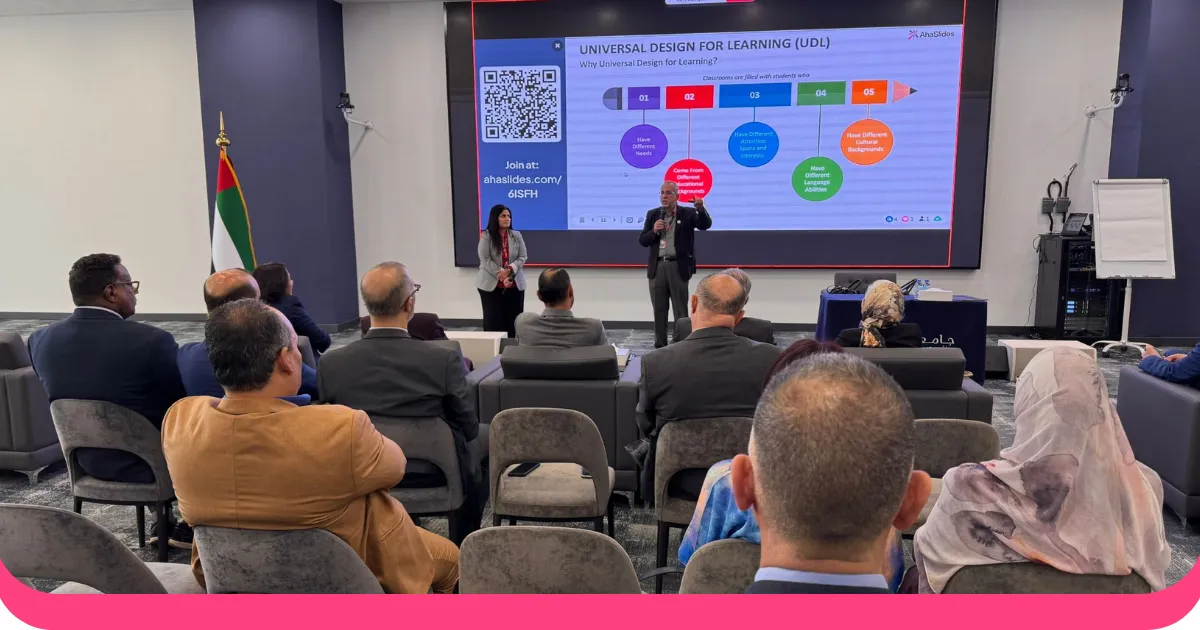
تُسهم أساليب التدريب التفاعلية التي تُشرك المشاركين فوراً في ممارسة سلوكيات القيادة في تسريع عملية التطوير بشكل ملحوظ. وعندما يتم دمج المحتوى التعليمي مع التطبيق الفوري والتغذية الراجعة، يصبح التعلم راسخاً.
ميزة المشاركة في تطوير القيادة
لا يقتصر إشراك المشاركين على إبقاء الناس مستيقظين أثناء التدريب فحسب، بل تُظهر العلوم المعرفية أن الأدمغة المنخرطة تُشفّر التعلّم بشكل أعمق، مما يُنشئ مسارات عصبية تدعم تغيير السلوك عند العودة إلى العمل.
تساهم العناصر التفاعلية مثل استطلاعات الرأي المباشرة والاختبارات القصيرة ومحفزات المناقشة في تحقيق العديد من أهداف التعلم الأساسية في وقت واحد:
تطبيق فوري: يمارس المشاركون المفاهيم أثناء تعلمها، مما يبني ذاكرة عضلية للسلوكيات الجديدة.
التقييم في الوقت الفعلي: تُظهر التعليقات الفورية من خلال نتائج الاختبارات أو ردود الاستطلاع لكل من المدربين والمشاركين أين يكون الفهم راسخاً وأين هناك حاجة إلى مزيد من التركيز.
التجربة الآمنة: تتيح المدخلات المجهولة للمشاركين اختبار أفكار جديدة دون خوف من الحكم، وهو أمر بالغ الأهمية لتجربة أساليب قيادية غير مألوفة.
التعلم بين الأقران: إن رؤية كيفية استجابة الزملاء للسيناريوهات أو الأسئلة تخلق تجربة تعليمية ثرية من وجهات نظر متنوعة.
تعزيز الاحتفاظ بالمعلومات: تُؤدي المشاركة الفعّالة إلى تكوين ذاكرة أقوى من الاستماع السلبي.
التطبيقات العملية حسب مجال المهارة
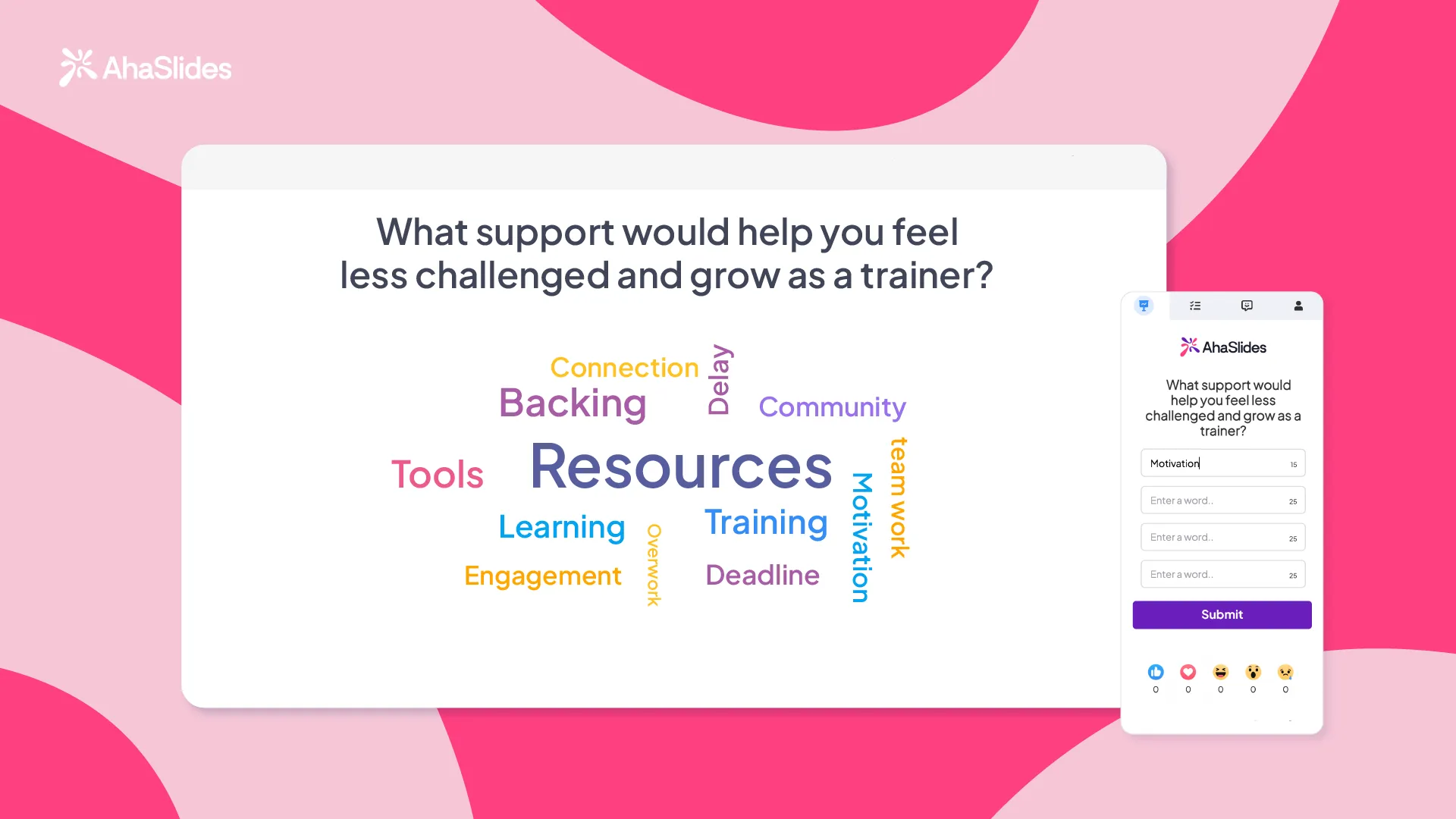
لتنمية الوعي الذاتي: استخدم استطلاعات رأي سريعة مجهولة المصدر خلال ورش العمل، واطلب من المشاركين تقييم ثقتهم في مهارات قيادية مختلفة. تشجع السرية على الصراحة، بينما تُظهر النتائج الإجمالية للجميع المجالات التي تحتاج فيها المجموعة إلى تطوير جماعي. تابع ذلك بتدريبات عملية مُوجّهة في تلك المجالات المحددة.
لتحسين مهارات التواصل: استخدم جلسات أسئلة وأجوبة مباشرة حيث يتدرب المشاركون على الإجابة عن أسئلة غير متوقعة. استخدم سحب الكلمات لرصد الرسائل التي تلقى صدى لدى الجمهور في الوقت الفعلي. وفر فرصًا للعروض التقديمية مع تقديم ملاحظات فورية ومجهولة المصدر حول الوضوح والتفاعل والإقناع.
لأغراض اتخاذ القرار: اعرض سيناريوهات معقدة واستخدم استطلاعات رأي مباشرة لجمع ردود الفعل الأولية، ثم يسّر مناقشة مختلف المناهج وأجرِ استطلاع رأي آخر لإظهار كيفية تطور وجهات النظر من خلال الحوار. هذا يُبرز قيمة المدخلات المتنوعة في التفكير الاستراتيجي.
فيما يخص مهارات التدريب: قم بتنظيم تمارين لعب الأدوار حيث يستخدم المراقبون مقاييس التقييم لتقديم ملاحظات محددة حول جودة محادثات التدريب. تساعد هذه الملاحظات الفورية المشاركين على ضبط أسلوبهم أثناء ممارستهم.
لقيادة الفريق: ابتكر تحديات جماعية تتطلب التعاون لحلها، باستخدام عجلة دوارة لتوزيع الأدوار والقيود عشوائياً. ثم قم بإجراء استطلاعات رأي حول ما ساعد أو أعاق التعاون، واستخلاص الدروس المستفادة التي يمكن تطبيقها على ديناميكيات الفريق الحقيقية.
قياس فعالية تطوير القيادة
يتجاوز قياس التدريب الفعال استطلاعات الرضا لتقييم التغيير الفعلي في السلوك وتأثيره على الأداء. وتتيح الأدوات التفاعلية مستويات متعددة من التقييم:
اكتساب المعرفة: تكشف الاختبارات القصيرة في نهاية كل وحدة عن مدى فهم المشاركين للمفاهيم الأساسية. وتُسهم مقارنة نتائج الاختبارات القبلية والبعدية في تحديد مدى التقدم المحرز في التعلم.
ثقة التطبيق: تتبع الفحوصات الدورية التي تطلب من المشاركين تقييم ثقتهم في تطبيق مهارات محددة مدى تقدمهم طوال البرنامج.
الممارسة السلوكية: توفر مقاييس الملاحظة أثناء لعب الأدوار والمحاكاة بيانات ملموسة حول إظهار المهارات، مما يخلق أساسًا للتطوير المستمر.
تقييم الأقران: تقيس المدخلات المجهولة من الزملاء حول فعالية القيادة قبل وبعد برامج التطوير التغير السلوكي المتصور.
مقاييس الأداء: اربط تطوير القيادة بالنتائج التشغيلية مثل درجات مشاركة الفريق ومعدلات الاحتفاظ بالموظفين ومقاييس الإنتاجية لإظهار تأثيرها على الأعمال.
يكمن السر في دمج التقييم في صلب عملية التعلم نفسها بدلاً من التعامل معه كنشاط منفصل. فعندما يرى المشاركون تقدمهم من خلال القياس المتكرر، يعزز ذلك التزامهم بالتطوير المستمر.
تهيئة بيئات تعليمية آمنة نفسياً
يتطلب تطوير القيادة الانفتاح على المخاطرة. يجب على المشاركين الاعتراف بحدود قدراتهم الحالية، وتجربة سلوكيات غير مألوفة، وتقبّل احتمال الفشل أمام زملائهم. فبدون بيئة آمنة نفسياً، يميل الناس إلى اللجوء إلى الأساليب الآمنة والمألوفة بدلاً من تطوير قدرات جديدة حقيقية.
تُظهر الأبحاث التي أجرتها أستاذة كلية هارفارد للأعمال، إيمي إدموندسون، أن الأمان النفسي، أي الاعتقاد بأنك لن تُعاقب أو تُذل بسبب التحدث عن الأفكار أو الأسئلة أو المخاوف أو الأخطاء، يُشكل الأساس للتعلم والابتكار.
تساهم أدوات التدريب التفاعلية في تعزيز السلامة النفسية بعدة طرق:
مساهمة مجهولة المصدر: عندما يتمكن المشاركون من التعبير عن آرائهم بصدق ودون الكشف عن هويتهم، فإنهم يكشفون عن أسئلة ومخاوف حقيقية كانت ستبقى طي الكتمان لولا ذلك. وتساعد استطلاعات الرأي المجهولة حول تحديات القيادة الجميع على إدراك أنهم ليسوا وحدهم في معاناتهم مع مهارات معينة.
مستوى الضعف المعياري: يُظهر عرض الردود المجهولة للجمهور كامل نطاق وجهات النظر والخبرات الموجودة في القاعة. فعندما يرى المشاركون أن العديد من زملائهم يشاركونهم مخاوفهم، يصبح الشعور بالضعف أمراً طبيعياً بدلاً من أن يُعتبر ضعفاً.
ممارسة منظمة: إن وجود أطر واضحة لممارسة المهارات الصعبة، مثل تقديم ملاحظات بناءة أو إجراء محادثات للمساءلة، يقلل من القلق بشأن ارتكاب الأخطاء. كما أن السيناريوهات التفاعلية ذات أهداف التعلم المحددة تخلق مساحة آمنة للتجربة.
تصحيح المسار فوراً: تتيح التغذية الراجعة الفورية من خلال استطلاعات الرأي أو الاختبارات للمدربين معالجة الارتباك أو سوء الفهم على الفور، مما يمنع المشاركين من ترسيخ فهم خاطئ.
إن خلق بيئة آمنة نفسياً لتطوير القيادة ليس مجرد أمر جيد، بل هو أمر ضروري لتغيير السلوك الذي يؤدي إلى التأثير التنظيمي.
التحديات الشائعة في تطوير القيادة
حتى مع المحتوى القوي والعرض الجذاب، تواجه برامج تطوير القيادة عقبات متوقعة. يساعد فهم هذه التحديات المدربين على تصميم تدخلات أكثر فعالية.
الفجوة بين المعرفة والتطبيق
يغادر المشاركون ورش العمل وهم مفعمون بالحيوية ومجهزون بأطر عمل جديدة، ثم يجدون صعوبة في تطبيقها وسط ضغوط العمل اليومية. وتشير الأبحاث إلى أنه بدون دعم تطبيقي منظم، فإن حوالي 90% من تعلم القيادة لا يُترجم إلى تغيير سلوكي مستدام.
حل: أدمج تخطيط التطبيقات مباشرةً في التدريب. استخدم الجلسات الختامية لتحديد المواقف المحددة التي سيتدرب فيها المشاركون على المهارات الجديدة، والعقبات المحتملة، وشركاء المساءلة. تابع ذلك بجلسات متابعة قصيرة لتذكير المشاركين بالتزاماتهم وجمع البيانات حول ما يُحقق نتائج إيجابية.
نقل تحديات المناخ
قد يكتسب القادة مهارات ممتازة خلال التدريب، لكنهم يواجهون ثقافات تنظيمية لا تدعم الأساليب الجديدة. وعندما يعود القادة إلى بيئات تُكافئ السلوكيات القديمة أو تُعاقب السلوكيات الجديدة، تنهار جهود التغيير سريعاً.
حل: أشرك مديري المشاركين في عملية التطوير. أطلعهم على محتوى البرنامج والتغييرات السلوكية المتوقعة. زوّد المديرين بأدلة حوارية لدعم التطبيق. ضع في اعتبارك التطوير القائم على المجموعات، حيث يتعلم قادة متعددون من نفس المؤسسة معًا، مما يخلق دعمًا متبادلًا للأساليب الجديدة.
ثقة بلا كفاءة
يُسهم التدريب التفاعلي بنجاح في بناء ثقة المشاركين، لكن الثقة وحدها لا تضمن الكفاءة. فقد يشعر القادة بالاستعداد لتطبيق مهارات جديدة دون اكتساب الكفاءة الكافية.
حل: وازن بين بناء الثقة والتقييم الواقعي. استخدم عروضًا توضيحية للمهارات مع معايير تقييم واضحة ليحصل المشاركون على تغذية راجعة دقيقة حول مستويات قدراتهم الحالية. صمم مسارات تطوير تدريجية تبني المهارات بشكل متدرج بدلاً من توقع الإتقان بعد التعرض لمرة واحدة.
صعوبات القياس
لا يزال إثبات عائد الاستثمار في تطوير القيادة يمثل تحديًا لأن النتائج، مثل تحسين أداء الفريق وزيادة المشاركة وتعزيز الثقافة التنظيمية، تتحقق على مدى فترات طويلة مع وجود العديد من المتغيرات التي تؤثر على النتائج.
حل: حدد معايير أساسية قبل برامج التطوير وتابعها باستمرار بعدها. استخدم مؤشرات استباقية مثل تقييمات الأداء الشاملة (360 درجة)، ومؤشرات تفاعل الفريق، ومقاييس الاحتفاظ بالموظفين، بالإضافة إلى مؤشرات لاحقة مثل الإنتاجية والإيرادات. اربط تطوير القيادة بأهداف العمل المحددة بحيث يركز قياس الأثر على النتائج التي تهم أصحاب المصلحة.
مستقبل تنمية القيادة
تتطور متطلبات القيادة باستمرار مع ازدياد تعقيد بيئات العمل وتوزيعها الجغرافي وتأثرها بالتكنولوجيا. وتؤثر عدة اتجاهات على كيفية تعامل المؤسسات ذات الرؤية المستقبلية مع تطوير القيادة:
قدرات القيادة الهجينة
يجب على القادة إشراك أعضاء الفريق، سواءً كانوا حاضرين شخصياً أو عبر الإنترنت، بفعالية، لخلق التماسك وتعزيز ثقافة الفريق رغم التباعد الجسدي. ويتطلب ذلك إتقان أدوات التواصل الرقمي، وتقنيات إدارة الاجتماعات الهجينة، واستراتيجيات بناء العلاقات دون الحاجة إلى التفاعل المباشر.
تتيح منصات التدريب التفاعلية للمشاركين ممارسة مهارات التيسير الهجين من خلال دمج التفاعل المباشر والتفاعل عن بُعد حتى خلال ورش العمل التطويرية. هذا التعلم التجريبي يُهيئ القادة بشكل أفضل للسياقات الهجينة الواقعية مقارنةً بالمناقشة وحدها.
التعلم المصغر المستمر
يحلّ التطوير المستمر محلّ برنامج القيادة السنوي التقليدي، وذلك من خلال فرص تعليمية قصيرة ومتكاملة ضمن سير العمل. ويتوقع القادة بشكل متزايد أن تكون موارد التطوير متاحة لهم متى وأينما احتاجوا إليها، بدلاً من جدولتها مسبقاً بأشهر.
يُفضّل هذا التحوّل المحتوى التفاعلي والوحداتي الذي يمكن للقادة الوصول إليه بشكل مستقل وتطبيقه فوراً. تتناسب جلسات بناء المهارات القصيرة، التي تتضمن فرصاً عملية، مع الجداول الزمنية المزدحمة مع الحفاظ على زخم التطوير.
تطوير القيادة الديمقراطية
تُدرك المؤسسات بشكل متزايد أن مهارات القيادة مهمة على جميع المستويات التنظيمية، وليس فقط على مستوى الإدارة العليا. فالموظفون في الخطوط الأمامية الذين يقودون المشاريع، والمؤثرون غير الرسميون الذين يشكلون الثقافة، والمساهمون الأفراد الذين يدربون زملاءهم، جميعهم يستفيدون من القدرات القيادية.
يتطلب هذا التوجه نحو إتاحة الفرص للجميع مناهج تطوير قابلة للتوسع تصل إلى جمهور أوسع دون تكلفة باهظة. وتتيح أدوات التدريب التفاعلية تجارب تطوير عالية الجودة لمجموعات أكبر في وقت واحد، مما يجعل الوصول الشامل ممكناً.
التخصيص القائم على البيانات
تفسح برامج القيادة العامة المجال بشكل متزايد لمسارات تطوير شخصية تستند إلى نقاط القوة والضعف وأهداف التطوير الفردية. وتساعد بيانات التقييم وتحليلات التعلم والتوصيات المدعومة بالذكاء الاصطناعي المتعلمين على التركيز على مجالات التطوير ذات الأولوية القصوى لديهم.
تُتيح المنصات التفاعلية التي تتعقب استجابات المشاركين وتقدمهم وتطبيقاتهم تدفقات بيانات غنية لتخصيص المحتوى. ويمكن للمدربين تحديد المجالات التي يحتاج فيها الأفراد والمجموعات إلى دعم إضافي وتكييف المحتوى وفقًا لذلك.
الخلاصة: مهارات القيادة كقدرة تنظيمية
لا يقتصر تطوير المهارات القيادية على التطوير الفردي فحسب، بل يشمل بناء قدرات تنظيمية تتراكم بمرور الوقت. فعندما تساعد قائداً واحداً على تحسين مهاراته التدريبية، فإنه يُسهم في تطوير عشرات من أعضاء فريقه بكفاءة أكبر. وعندما تُعزز التفكير الاستراتيجي لدى الإدارة الوسطى، تتناغم الأقسام بأكملها بشكل أفضل مع التوجه التنظيمي.
إن تطوير القيادة الأكثر فعالية يتطلب نهجًا منهجيًا: أطر كفاءة واضحة، وتجارب تعليمية جذابة تجمع بين المعرفة والممارسة، وأمان نفسي يُمكّن من النمو الحقيقي، وأنظمة قياس تُظهر التأثير.
لا تُغني أدوات التدريب التفاعلية عن المحتوى القيّم والتيسير الماهر، بل تُعزز كليهما بشكلٍ ملحوظ. فعندما يتفاعل المشاركون بفعالية مع المفاهيم، ويمارسون السلوكيات الجديدة في بيئات آمنة، ويتلقون تغذية راجعة فورية حول تطبيقها، ترسخ المعرفة في أذهانهم. والنتيجة ليست مجرد مشاركين راضين في ورش العمل، بل قادة أكثر فاعلية يُحدثون تغييرًا إيجابيًا في فرقهم ومؤسساتهم.
عند تصميم مبادرتك القادمة لتطوير القيادة، فكّر في كيفية تحقيق نقل المعرفة وتغيير السلوك على حد سواء. كيف سيتدرب المشاركون على المهارات الجديدة؟ كيف سيتأكدون من تطبيقهم للمفاهيم بشكل صحيح؟ كيف ستقيس مدى انعكاس التطوير على تحسين الأداء؟
تُحدد الإجابات على هذه الأسئلة ما إذا كان تدريبك القيادي سيُحدث حماسًا مؤقتًا أم أثرًا دائمًا. اختر المشاركة، اختر التفاعل، واختر القياس. سيُظهر القادة الذين تُعدّهم والمؤسسات التي يخدمونها الفرق.
الأسئلة المتكررة
ما هي أهم مهارات القيادة؟
تُشير الأبحاث باستمرار إلى عدة كفاءات قيادية أساسية باعتبارها الأكثر أهمية، وهي: الوعي الذاتي، والتواصل الفعال، والذكاء العاطفي، والتفكير الاستراتيجي، والقدرة على تطوير الآخرين. ومع ذلك، فإن المهارات المحددة الأكثر أهمية تعتمد على السياق. يستفيد القادة الناشئون بشكل أكبر من تطوير الوعي الذاتي والتواصل، بينما يحتاج القادة المخضرمون إلى تفكير استراتيجي قوي وقدرات قيادية متميزة في إدارة التغيير. ويؤكد البحث المُعمق الذي أجراه مركز القيادة الإبداعية أن أفضل القادة يتفوقون في مجالات متعددة بدلاً من الاعتماد على نقطة قوة واحدة مهيمنة.
هل يمكن اكتساب مهارات القيادة، أم أن القادة يولدون؟
يُجمع العلماء على أن المهارات القيادية تتطور من خلال الممارسة المتعمدة والخبرة، مع أن بعض الأفراد يمتلكون مواهب فطرية منذ البداية. وتشير أبحاث مؤسسة غالوب إلى أن حوالي 10% من الناس يمتلكون موهبة قيادية فطرية، بينما يمتلك 20% آخرون إمكانات هائلة يمكن تطويرها بشكل مدروس. ومن الأهمية بمكان أن التدريب الفعال على القيادة، والتوجيه، والخبرة العملية تُسهم في بناء الكفاءات التي تُعزز فعالية القيادة بغض النظر عن نقطة البداية. وتشهد المؤسسات التي تستثمر في برامج تطوير القيادة المنهجية تحسينات ملموسة في فعالية القادة وأداء فرق العمل.
كم من الوقت يستغرق تطوير مهارات القيادة؟
تطوير المهارات القيادية رحلة مستمرة وليست غاية نهائية. يمكن اكتساب الكفاءة الأساسية في مهارات محددة، كالإنصات الفعال أو التفويض، خلال أسابيع من التدريب المركز والتغذية الراجعة. مع ذلك، يتطلب إتقان القدرات القيادية المعقدة، كالتفكير الاستراتيجي أو قيادة التغيير، سنوات من الخبرات المتنوعة والتعلم المستمر. تشير الأبحاث في مجال تطوير الخبرات إلى أن 10,000 ساعة من التدريب المُتقن تُؤدي إلى أداء على مستوى الخبراء، مع أن الكفاءة الوظيفية تتطور بوتيرة أسرع بكثير. يكمن السر في التعامل مع تطوير المهارات القيادية كعملية مستمرة لا متقطعة، وبناء المهارات تدريجيًا طوال مسيرتك المهنية.
ما الفرق بين القيادة والإدارة؟
تركز الإدارة على تخطيط الموارد وتنظيمها وتنسيقها لتحقيق الأهداف التشغيلية بكفاءة. أما القيادة، فتتمحور حول تحديد التوجه، وتوحيد الجهود حول الرؤية، وغرس الالتزام بالأهداف المشتركة. وكلاهما ضروري لنجاح المؤسسة. قد يحقق المديرون الأكفاء الذين يفتقرون إلى مهارات القيادة نتائج قصيرة الأجل، لكنهم يواجهون صعوبة في تحفيز فرق العمل أو إدارة التغيير. وقد يلهم القادة الفطريون الذين يفتقرون إلى القدرات الإدارية الأفراد نحو الرؤية، لكنهم يفشلون في التنفيذ بفعالية. أما قادة المؤسسات الأكثر فعالية، فيجمعون بين هاتين المهارتين، فيعرفون متى يديرون العمليات ومتى يقودون الأفراد.
كيف يمكن للمدربين تقييم تطور مهارات القيادة بشكل فعال؟
يجمع التقييم الفعال بين مصادر بيانات متعددة عبر مستويات مختلفة. تتحقق اختبارات المعرفة من فهم المشاركين لمفاهيم القيادة الأساسية. وتُظهر عروض المهارات خلال تمارين لعب الأدوار والمحاكاة قدرتهم على تطبيق هذه المفاهيم في سيناريوهات واقعية. كما يقيس التقييم الشامل (360 درجة) من المشرفين والزملاء والمرؤوسين فعالية القيادة المُدركة قبل وبعد برامج التطوير. وأخيرًا، تُظهر مؤشرات الأداء الرئيسية، مثل درجات تفاعل الفريق ومعدلات الاحتفاظ بالموظفين ونتائج الأداء، ما إذا كانت مهارات القيادة المُحسّنة تُترجم إلى تأثير إيجابي على المؤسسة. وتُعدّ أساليب التقييم الأكثر فعالية هي تلك التي تتبع جميع هذه الأبعاد بمرور الوقت بدلاً من الاعتماد على مقياس واحد فقط.

.webp)