

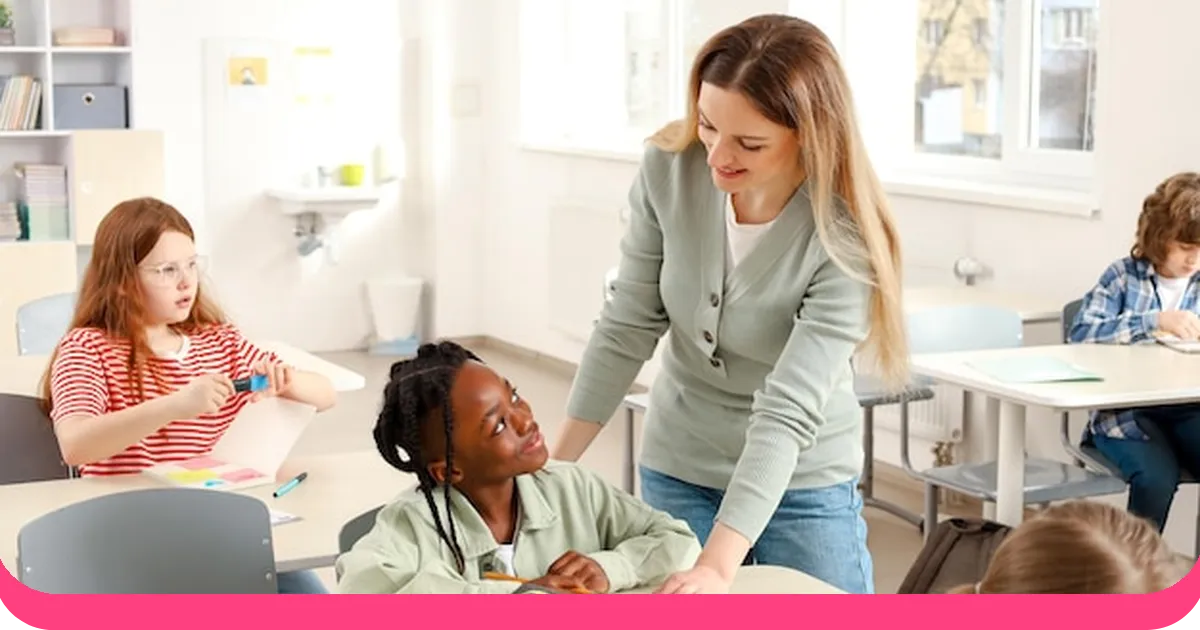
Ang pinakamahusay na mga estratehiya sa pamamahala ng silid-aralan para sa mga guro ng K-12 ay pinagsasama ang malinaw na mga gawain, pare-parehong mga kahihinatnan, at matibay na ugnayan na nabuo mula sa unang araw. Nasa ibaba ang 15 estratehiyang nakabatay sa ebidensya, isang sunud-sunod na plano sa pamamahala ng silid-aralan, at mabilis na mga sagot sa mga tanong na hinahanap ng mga guro, namamahala ka man ng mga batang anim na taong gulang o labing-anim na taong gulang.
Mas magiging simple sana ang pagtuturo kung ang bawat klase ay magiging kalmado, mausisa, at handang matuto. Ngunit mula kindergarten hanggang senior year, bihirang mangyari iyon. Ang mga bata ay dumarating na may iba't ibang antas ng enerhiya, sitwasyon sa bahay, mga pressure sa lipunan, at mga pangangailangan sa pag-aaral, at nasa guro sa silid-aralan ang paghawak sa lahat ng iyon habang ipinapahayag pa rin ang aralin. Dito pumapasok ang pamamahala sa silid-aralan.
Mabilis na sagot
Ano ang pamamahala sa silid-aralan? Ang mga kagamitan, gawain, at ugnayang ginagamit ng mga guro upang mapanatiling produktibo at magalang ang isang silid-aralan, sumasaklaw sa lahat mula sa pagsasaayos ng silid hanggang sa kung paano haharapin ang mapanggulo na pag-uugali.
Ano ang mga halimbawa ng mga estratehiya sa pamamahala ng silid-aralan? Malinaw na nakapaskil na mga patakaran, pare-parehong pang-araw-araw na gawain, papuri na partikular sa pag-uugali, mga pahiwatig ng paglapit at hindi pasalita, at pribado (hindi publiko) na pagwawasto ay kabilang sa mga pinakabinabanggit.
Paano mapapabuti ng mga bagong guro ang pamamahala sa silid-aralan? Magsimula sa mga nakagawian, hindi sa mga kahihinatnan. Ang mga nahuhulaang pagbabago at malinaw na itinurong mga pamamaraan ay nakakapigil sa mas maraming pagkagambala kaysa sa anumang parusa. Ipares ang mga ito sa mga simpleng bagay. pakikipag-ugnayan sa silid-aralan mga gawi para hindi kailanman magmukhang matigas ang istraktura.
Epektibo ba ang mga estratehiya sa pamamahala ng silid-aralan para sa mga online na klase? Oo, may mga pagsasaayos: mas tahasang mga inaasahan sa kamera at audio, mas maiikling interactive na mga segment, at mas madalas na one-on-one na pag-check-in.
Ano ang pamamahala sa silid-aralan?
Ang pamamahala ng silid-aralan ay tumutukoy sa lahat ng kagamitan, pamamaraan, at pamamaraang ginagamit ng mga guro upang lumikha at mapanatili ang isang produktibo at magalang na kapaligiran sa pag-aaral. Saklaw nito ang lahat mula sa kung paano mo inaayos ang iyong mga mesa hanggang sa kung paano ka tumutugon kapag ang isang estudyante ay sumasagot o may ipinapasa na sulat sa kabilang panig ng silid.
Ayon sa isang pag-aaral noong 2024 na binanggit ng Warner Pacific University, ang epektibong pamamahala sa silid-aralan ay may tatlong pangunahing layunin: pamamahala sa pag-uugali ng mga mag-aaral, pagtatatag ng malusog na komunikasyon, at pananatiling sapat na kakayahang umangkop upang matugunan ang mga pangangailangan ng mga mag-aaral.
Ang pamamahala ng silid-aralan ay hindi tungkol sa pagkontrol para sa sarili nitong kapakanan o pagpaparusa sa mga bata upang sumunod. Ang pinakamahusay na mga pamamaraan ay nakatuon sa pag-iwas, mga relasyon, at pagbuo ng ahensya ng mag-aaral, hindi lamang sa pagtugon sa mga problema pagkatapos mangyari ang mga ito.
Ang 4 na istilo ng pamamahala sa silid-aralan
Bago pumili ng mga partikular na estratehiya, makakatulong na malaman kung saan ka natural na nahuhulog sa spectrum ng istilo ng pamamahala. Batay sa pundasyong pananaliksik ni Diana Baumrind tungkol sa awtoridad sa mga kapaligiran ng pag-aaral, karamihan sa mga guro ng K-12 ay gumagamit ng isa sa apat na istilo:
Makapangyarihan: Mataas na inaasahan na may kasamang mainit at matulunging relasyon. Nauunawaan ng mga estudyante kung bakit umiiral ang mga patakaran at nadarama nilang iginagalang sila. Iminumungkahi ng pananaliksik na ito ang may posibilidad na magbunga ng pinakamahusay na mga resulta sa lahat ng antas ng baitang.
awtoritaryan: Mahigpit na mga patakaran na may kaunting paliwanag o kakayahang umangkop. Ang pagsunod ang layunin. Maaari nitong patahimikin ang isang silid sa maikling panahon ngunit kadalasang nakakasira sa mga ugnayan ng mag-aaral at guro at likas na motibasyon.
Permissive: Kaunti ang mga patakaran, maraming kalayaan. Maaaring komportable ang mga estudyante ngunit kadalasan ay kulang sa istrukturang kailangan para manatili sa kanilang mga gawain, lalo na sa mga silid-aralan sa elementarya kung saan pinakamahalaga ang nakagawian.
Mapagparaya: Mataas na init ng loob ng guro na may mababang disiplina. Bumubuo ang mga guro ng magandang ugnayan ngunit bihirang ipatupad ang mga inaasahan, na maaaring humantong sa isang magulong silid-aralan pagsapit ng kalagitnaan ng Oktubre.
Pinagsasama-sama ng karamihan sa mga bihasang guro ang mga estilong ito depende sa kanilang mga estudyante at asignatura. Gayunpaman, ang isang awtoritatibong pamamaraan ay may posibilidad na bumuo ng pinakamahusay na baseline, mula sa kindergarten circle time hanggang sa AP Calculus.
Pamamahala ng silid-aralan na maagap vs. reaktibo
Isa sa mga pinakakapaki-pakinabang na balangkas na aming natuklasan ay ang pagkakaiba sa pagitan ng mga proactive at reactive na estratehiya. Ang mga pinakamabisang guro ay gumugugol ng mas maraming enerhiya sa pag-iwas kaysa sa pagwawasto.
Maagap na pamamahala sa silid-aralan nagtatakda ng mga kondisyon para sa tagumpay bago pa man lumitaw ang mga problema:
- Malinaw na mga inaasahan na ipinabatid mula sa unang araw
- Mga nakabalangkas na gawain na nakakabawas sa pagkapagod ng mga mag-aaral sa paggawa ng desisyon
- Mga nakakaengganyong aralin na nag-iiwan ng kaunting puwang para sa pag-alis ng atensyon
- Positibong pagpapatibay ng ninanais na pag-uugali
- Matibay na ugnayan ng guro at estudyante
Reaktibong pamamahala sa silid-aralan mahinahon at palagiang tumutugon kapag may lumitaw na mga isyu:
- Kalapitan at di-berbal na pag-redirect
- Pribadong pagwawasto sa halip na pagtawag ng isang estudyante sa harap ng klase
- Lohikal at proporsyonal na mga kahihinatnan
- Mga diskarte sa de-escalation
- Pagsangguni sa isang tagapayo, admin, o support team kung kinakailangan
Ang layunin ay lubos na ilipat ang balanse patungo sa mga proactive na estratehiya, kaya bihirang kailanganin ang mga reaktibong tugon.
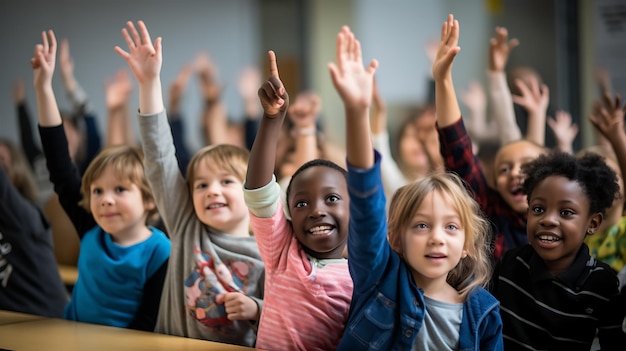
15 estratehiya sa pamamahala ng silid-aralan na epektibo
1. Magtakda ng malinaw na mga patakaran at inaasahan mula sa unang araw
Mas maayos ang pag-uugali ng mga estudyante kapag alam nila kung ano ang eksaktong inaasahan sa kanila. Sa unang araw ng pasukan, magtakda ng hindi hihigit sa lima hanggang pitong malinaw at positibong mga patakaran (halimbawa, "Iginagalang namin ang mga ideya ng isa't isa" sa halip na "Bawal ang sumabad").
Isali ang mga mag-aaral sa proseso hangga't maaari, kahit ang mga bata. Kapag ang isang klase ay tumutulong sa pagsulat ng sarili nitong mga patakaran, mula sa tsart ng "mabait na kamay" sa kindergarten hanggang sa kontrata sa homeroom sa high school, mas nadarama nila ang pagmamay-ari kaysa sa pagsunod sa mga ito.
2. Bumuo ng mga pare-parehong gawain sa silid-aralan
Ang kakayahang mahulaan ang mga pangyayari ay nakakabawas ng pagkabalisa at maling pag-uugali, lalo na para sa mga nakababatang estudyante na nasisiyahan sa pag-uulit-ulit. Magtakda ng mga gawain para sa pagpasok sa silid, paglipat sa pagitan ng mga asignatura, paghingi ng tulong, at pagpila para sa tanghalian o recess. Kapag alam na ng mga estudyante ang gawain, mas kaunti ang oras na gugugulin mo sa pamamahala ng trapiko at mas marami kang oras sa pagtuturo.
Isaalang-alang ang pagsisimula ng bawat klase sa pamamagitan ng isang maikling warm-up: isang mabilis na poll, isang tanong sa pagninilay, o isang pagsusulit sa pagtunog ng kampanaPinapadali ng isang tool tulad ng AhaSlides ang paglulunsad ng live na word cloud o multiple-choice poll sa loob ng wala pang 60 segundo, na nagtutuon ng atensyon at nagpapahiwatig na nagsimula na ang klase, nang hindi mo na kailangang lakasan ang iyong boses dahil sa daldalan.
3. Magtakda ng kapaligiran sa silid-aralan na akma para sa iyo
Ang kinauupuan ng mga estudyante, kung paano nakaayos ang mga mesa, at kung malaya kang makakagalaw sa silid ay pawang nakakaapekto sa kanilang pag-uugali. Ayusin ang mga upuan upang maabot mo ang bawat estudyante nang hindi nakakaabala sa klase, at itago ang mga pangunahing inaasahan sa isang lugar na nakikita, tulad ng sa itaas ng whiteboard o sa tabi ng pinto.
Sa mga araw ng remote o hybrid learning, nangangahulugan ito ng pagkakaroon ng simple at pare-parehong digital setup: parehong video link, parehong lugar para maghanap ng mga takdang-aralin, at mga inaasahan na naka-post nang kasinglinaw ng kung ilalagay ang mga ito sa dingding ng silid-aralan.
4. Alamin ang iyong mga estudyante bilang mga indibidwal
Ang mga estudyanteng nakakaramdam na kilala sila ng kanilang guro ay mas malamang na igalang ang silid-aralan ng gurong iyon. Gugulin ang unang ilang linggo sa pag-aaral ng mga pangalan, interes, kalakasan, at mga nag-udyok sa kanila. Basahin ang mga IEP at 504 na plano, kausapin ang guro noong nakaraang taon, at isulat ang mga tala kung ano ang epektibo.
Makakatulong din ito sa iyo na matukoy ang mga maagang senyales ng pag-iwas sa pakikipag-ugnayan o stress, sa bahay o sa paaralan, bago pa man ito mauwi sa mga problema sa pag-uugali.
5. Gumamit ng papuri na partikular sa pag-uugali
Limitado ang epekto ng pangkalahatang papuri ("Magaling!"). Ang papuri na partikular sa pag-uugali (behavior-specific praise o BSP) ay tumutukoy kung ano ang mahusay na nagawa ng estudyante at kung bakit ito mahalaga: "Napansin kong hinintay mong matapos magsalita ang kaklase mo bago sumagot. Iyan mismo ang uri ng paggalang na nagpapagana sa ating mga talakayan."
Natuklasan sa pananaliksik nina Gage at MacSuga-Gage (2017) na ang BSP ay may istatistikal na makabuluhang positibong epekto sa pag-uugali ng mga mag-aaral. Ito ay libre, mabilis, at gumagana mula kindergarten hanggang senior year.
6. Maglapat ng maagap na pamamahala ng pag-uugali
Palaging suriin ang silid, kahit na tumutulong sa isang estudyante sa kanilang mesa. Maaga kang makialam sa maliliit na isyu, kahit isang mahinang salita o isang tingin, bago pa lumala ang mga ito. Asahan ang mga sandaling malamang na magdulot ng abala: mga pagbabago sa usapan, gawaing panggrupo, ang oras bago mananghalian, o ang Biyernes bago magpahinga.
Kung ang isang estudyante ay may tendensiyang mawalan ng pokus pagkatapos ng 20 minutong pag-upo nang tahimik, maglaan ng pahinga para sa paggalaw o isang praktikal na gawain sa puntong iyon sa halip na mag-react pagkatapos na magsimula ang pag-uugali.
7. Gumamit ng mga pahiwatig ng kalapitan at di-berbal
Ang paglalakad patungo sa isang estudyanteng wala sa kanilang gawain ay kadalasang sapat na upang ilipat ang direksyon ng kanilang direksyon nang hindi tinitigilan ang aralin para sa lahat. Ang pagbuo ng mga di-berbal na senyales na naiintindihan ng iyong klase, isang pagtataas ng kamay para sa katahimikan, pakikipag-eye contact, at isang pagtango para sa paghihikayat, ay nagpapanatili sa maayos na takbo ng silid nang hindi nakakaabala sa pagtuturo.
8. Bumuo ng tunay na ugnayan ng mag-aaral at guro
Ayon sa Institute of Education Sciences (IES), ang matibay na ugnayan sa pagitan ng mga guro at mga mag-aaral ay isa sa mga pinaka-maaasahang salik laban sa talamak na nakakagambalang pag-uugali. Kapag alam ng mga mag-aaral na tunay na nagmamalasakit sa kanila ang kanilang guro, mas handa silang matugunan ang mga inaasahan.
Hindi ito nangangahulugan ng pagiging isang kaibigan. Nangangahulugan ito ng pagiging interesado sa mga estudyante bilang mga tao, pakikinig sa kanila, at pagpapakita na nakikita mo sila nang higit pa sa kanilang mga marka o marka sa pagsusulit.
9. Isali ang mga pamilya at mga kawani ng suporta
Hindi nag-iisa ang mga guro sa pamamahala ng isang silid-aralan. Ang mga magulang, tagapayo, kawani ng espesyal na edukasyon, at mga administrador ay pawang mga kakampi. Makipag-ugnayan nang maagap sa mga pamilya, hindi lamang kapag may problema kundi upang magbahagi rin ng magandang balita. Malaki ang maitutulong ng isang mabilis na email sa bahay tungkol sa isang magandang linggo, at kapag magkatugma ang mga inaasahan sa bahay at paaralan, parehong mensahe ang maririnig ng mga mag-aaral mula sa magkabilang panig.
10. Ibahin ang iyong mga tagubilin upang mapanatili ang pakikipag-ugnayan
Ang pagkabagot ay isa sa mga pangunahing sanhi ng pag-uugaling hindi nakagawian sa anumang silid-aralan. Kapag ang mga aralin ay tila may kaugnayan, naaangkop na mapanghamon, at praktikal, nananatiling nakikibahagi ang mga mag-aaral. Paghaluin ang mga pamamaraan sa pagtuturo: direktang pagtuturo, gawain sa maliliit na grupo, mga independiyenteng gawain, mga talakayan, at praktikal na mga aktibidad.
Nakakatulong din dito ang mga interactive na kagamitan. Magsagawa ng mabilisang pagsusulit o session brainstorming Gamit ang AhaSlides, sinisira nito ang pasibong pakikinig at binibigyan ang bawat estudyante, hindi lang ang mga unang nagtaas ng kamay, ng isang paraan para makilahok nang walang gaanong pusta.
11. Gumamit ng tiered support para sa mga patuloy na hamon sa pag-uugali
Hindi lahat ng hamon sa pag-uugali ay tumutugon sa mga estratehiya para sa buong klase. Para sa mga mag-aaral na may paulit-ulit na mga isyu, hanapin ang mga pattern: kailan, saan, at aling mga nag-trigger? Makipagtulungan sa mag-aaral, at kadalasan sa kanilang tagapayo sa pamilya at paaralan, upang bumuo ng isang plano nang sama-sama.
Karamihan sa mga paaralan ay mayroon nang istruktura para dito: isang multi-tiered system of support (MTSS) o positive behavioral interventions and supports (PBIS), na lumilipat mula sa universal classroom strategies (tier 1) patungo sa targeted small-group support (tier 2) patungo sa intensive individual intervention (tier 3).
12. Tugunan ang nakakagambalang pag-uugali nang palagian at pribado
Kapag kailangan ng pagtutuwid, gawin ito nang pribado saanman maaari. Ang pagtawag sa isang estudyante sa harap ng kanilang mga kaklase ay kadalasang nagpapalala ng sitwasyon dahil ginagawa silang nagtatanggol. Ang isang mahinahong salita, isang sulat, o isang maikling pag-uusap sa pintuan ay may posibilidad na mas epektibo at mapanatili ang relasyon.
Mas mahalaga rito ang pagiging pare-pareho kaysa sa iba: kung ang isang patakaran ay nalalapat sa Lunes at hindi pinansin sa Martes, mabilis na matututunan ng mga estudyante na ang iyong mga inaasahan ay maaaring ipag-usapan.
13. Pagyamanin ang isang komunidad sa silid-aralan
Mas maayos ang pag-uugali ng mga estudyante sa isang silid-aralan kung saan pakiramdam nila ay kabilang sila. Gamitin ang mga aktibidad na nagpapaunlad ng komunidad, mga pagpupulong sa umaga, mga gawain sa klase, isang advisory circle, at balikan ang mga ito pagkatapos ng mahabang pahinga o anumang pagkagambala sa normal na gawain. Mga collaborative na proyekto, mga ibinahaging layunin, at maliliit na pagdiriwang ng klase ang bumubuo sa diwa na "magkakasama tayo sa lahat ng ito."
14. Magnilay-nilay at umangkop nang regular
Ang pamamahala ng silid-aralan ay hindi isang sistemang "set-and-forget" o "set-and-forget" lamang. Ang epektibo sa Setyembre ay maaaring hindi na gumana pagdating ng Marso. Ang epektibo sa isang klase ay maaaring hindi na gumana sa grupong makukuha mo sa susunod na taon. Magsama ng regular na pagninilay-nilay sa iyong gawain: ano ang epektibo, ano ang hindi, at ano ang kailangang baguhin?
Tanungin ang iyong pangkat sa antas ng baitang, ang iyong tagapagturo, o maging ang iyong mga estudyante. Ang isang hindi nagpapakilalang survey sa pagtatapos ng termino, na ginagawang madali ng AhaSlides sa loob ng ilang minuto, ay kadalasang naglalabas ng tapat na feedback na hindi sasabihin nang malakas ng mga estudyante sa harap ng kanilang mga kaklase.
15. Pangalagaan ang iyong sariling kapakanan
Natuklasan sa isang survey noong 2024 na 54% ng mga guro ang tumutukoy sa pamamahala ng silid-aralan at pag-uugali ng mga mag-aaral bilang mga mahahalagang hamong nag-aambag sa burnout. Hindi mo maaaring palaging ilapat ang alinman sa mga estratehiyang ito habang walang gaanong gamit. Maglaan ng oras para sa paggaling, umasa sa iyong mga kapwa guro, at huwag maghintay para humingi ng suporta mula sa iyong admin o counseling team kapag ang isang hamon ay mas malaki kaysa sa kayang harapin ng isang silid-aralan.
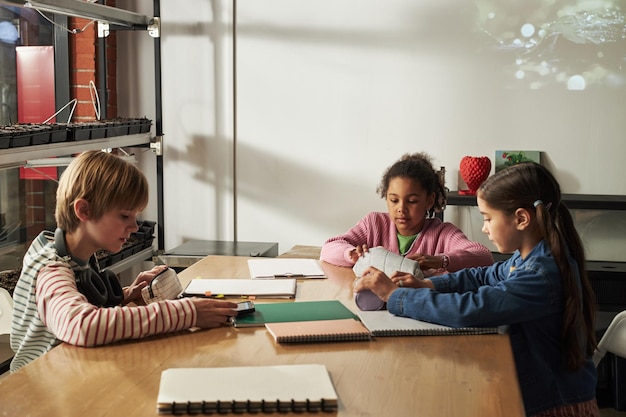
Paano bumuo ng plano sa pamamahala ng silid-aralan
Ang plano sa pamamahala ng silid-aralan ay isang nakasulat na dokumento na nag-oorganisa ng iyong pamamaraan sa isang bagay na sapat na malinaw upang maibahagi sa mga mag-aaral, pamilya, at mga administrador. Karaniwang kinabibilangan ito ng:
1. Mga inaasahan at tuntunin: Ano ang inaasahan mo mula sa mga estudyante sa aspetong pang-asal at akademiko? Gawin lamang ito sa lima hanggang pitong malinaw na pahayag.
2. Mga nakagawian at pamamaraan: Paano nagsisimula, nagbabago, at nagtatapos ang klase? Ano ang mangyayari kapag ang isang estudyante ay nangangailangan ng tulong, nangangailangan ng banyo, o tinatapos ang mga gawain nang maaga?
3. Positibong sistema ng pampalakas: Paano mo kinikilala at ginagantimpalaan ang mabuting pag-uugali? Maaari itong maging papuri nang pasalita, sistema ng puntos o tiket, mga pribilehiyo sa klase, o isang papuri sa mga magulang.
4. Hierarkiya ng pagtugon sa pagwawasto: Ano ang mga unti-unting hakbang kapag ang isang estudyante ay lumabag sa mga patakaran? Kadalasan: di-berbal na pag-redirect, pasalitang paalala, pribadong pag-uusap, pakikipag-ugnayan sa magulang, pagsangguni sa admin o kawani ng suporta.
5. Plano ng krisis o paglala: Ano ang gagawin mo kung ang isang estudyante ay maging hindi ligtas o ang isang sitwasyon ay lumala nang higit pa sa kaya mong harapin nang mag-isa? Alamin ang mga protokol ng iyong paaralan at panatilihing malapit ang mga ito sa iyong mga kamay.
Ibahagi ang planong ito sa mga estudyante sa unang linggo, ipadala ang isang bersyon sa kanilang mga pamilya, at i-post ang mga mahahalagang punto sa isang lugar na makikita sa inyong silid-aralan. Balikan ito tuwing magbabago ang dinamiko ng klase, may bagong estudyanteng sasali, o magbabago ang iskedyul.
Mga pangunahing kasanayan sa pamamahala ng silid-aralan na kailangan ng bawat guro
Ang mga estratehiya ay gagana lamang kapag ipinares sa mga pinagbabatayang kasanayan upang maisagawa ang mga ito. Ang mga pinakamabisang guro ng K-12 na aming naobserbahan ay may mga sumusunod na kakayahan:
Aktibong pagsubaybay: Ini-scan ang buong silid, hindi lang ang estudyanteng nasa harap mo.
Kalmadong presensya: Sinasalamin ng mga bata ang enerhiya ng guro, at ang isang mahinahong guro ay nagpapanatili ng mas kalmadong silid.
Flexible na pagpaplano: Hawakan nang maluwag ang iyong plano ng aralin upang umangkop kapag kailangan ito ng silid.
Malinaw na komunikasyon: Mga tagubiling tiyak, maikli, at sinuri para sa pag-unawa.
Kaalaman sa datos: Ang pagbabasa ng datos ng pag-uugali at pagganap upang matukoy ang mga padron bago ang isang report card o kumperensya ng magulang-guro ay nakakagulat sa sinuman.
Pagbubuo ng relasyon: Pananatiling mainit at interesado sa mga estudyante kahit na sinusubukan nila ang iyong pasensya.
Ang mga kasanayang ito ay nabubuo sa pamamagitan ng karanasan, pagtuturo, at tapat na pagninilay-nilay. Walang guro ang nakakapagtapos nito sa kanilang unang taon.
Pamamahala ng isang araw ng hybrid o remote learning
Ang mga araw ng niyebe, mga kuwarentenas, at mga programang 1:1 device ay nangangahulugan na karamihan sa mga guro ng K-12 ay namamahala ng isang screen sa isang punto sa taon. Ang mga mag-aaral ay maaaring maging tahimik, nalilibang, o hindi nakikita sa mga paraang mas mahirap makuhanan ng kamera. May ilang bagay na makakatulong:
- paggamit interactive na mga tool tuloy-tuloy. Mas madaling matukoy ang paghinto sa pakikipag-usap dahil sa mga poll, quiz, at Q&A slides kaysa sa isang hanay ng mga blankong camera tile.
- Magtakda ng mga inaasahan sa kamera at audio nang tahasan, at ulitin ang mga ito sa simula ng bawat sesyon.
- Gumamit ng mga breakout room para sa maliliit na grupo upang muling likhain ang pananagutan ng mga kasamahan na natural na nangyayari kapag pinagdikit-dikit ang mga mesa.
- Mag-check in nang isa-isa. Ang mga estudyanteng nahihirapan ay kadalasang nananahimik online sa halip na magkunwari, kaya ang isang indibidwal na mensahe ay nakakatugon sa mga problema bago ang isang panggrupong pagsisiyasat.
- Panatilihing maikli ang mga sesyon. Hatiin ang mga aralin sa 10 hanggang 15 minutong bahagi na may aktibong gawain sa pagitan.
Mga madalas itanong
Ano ang mga pinakamabisang estratehiya sa pamamahala ng silid-aralan para sa mga guro ng K-12? Patuloy na itinuturo ng pananaliksik ang malinaw na mga inaasahan, pare-parehong mga gawain, matibay na ugnayan ng guro at estudyante, proaktibong pagsubaybay, at papuri na partikular sa pag-uugali bilang ang mga estratehiyang may pinakamaraming ebidensyang sinusuportahan sa bawat antas ng baitang, mula kindergarten hanggang ikalabindalawang baitang.
Ano ang 4 na istilo ng pamamahala sa silid-aralan? Awtoritatibo (mataas na inaasahan, mainit na relasyon), awtoritaryan (mahigpit, mababang init), mapagpahintulot (kaunting mga patakaran, mataas na init), at mapagbigay (mataas na pakikipag-ugnayan, mababang disiplina). Karamihan sa mga pananaliksik ay pinapaboran ang isang awtoritatibong pamamaraan para sa pangmatagalang resulta ng mga mag-aaral.
Paano ko haharapin ang isang mahirap na klase? Magsimula sa mga relasyon. Ang mahirap na pag-uugali ay kadalasang nagpapahiwatig ng pangangailangan para sa koneksyon o kalinawan, hindi mas matinding mga kahihinatnan. Suriin ang iyong mga gawain para sa kalinawan, hanapin ang mga pattern sa pagkagambala, at umasa sa iyong pangkat sa antas ng baitang o isang espesyalista sa halip na ayusin ito nang mag-isa.
Paano naiiba ang pamamahala ng silid-aralan sa elementarya at hayskul? Ang mga nakababatang estudyante ay nangangailangan ng mas tahasang mga gawain at pag-uulit; ang mga nakatatandang estudyante naman ay mas tumutugon sa pangangatwiran, pagpili, at privacy kapag itinatama. Mahalaga ang pagiging pare-pareho at mga relasyon sa bawat antas ng baitang.
Ano ang pagkakaiba ng pamamahala sa silid-aralan at pamamahala ng pag-uugali? Mas malawak ang pamamahala ng silid-aralan: saklaw nito ang lahat mula sa pag-aayos ng silid at mga gawain hanggang sa pagtuturo at pakikipag-ugnayan. Ang pamamahala ng pag-uugali ay isang bahagi nito, na partikular na nakatuon sa pagtugon at pagpigil sa nakakagambalang pag-uugali.
Handa ka na bang gawing mas madali ang pamamahala sa iyong silid-aralan? Binibigyang-daan ka ng AhaSlides na magsagawa ng mga libreng live poll, quiz, Q&A session, at word cloud mula mismo sa iyong browser, walang download ng estudyante, walang bayad sa pagsisimula. Ito ay isang maliit na karagdagan sa iyong pang-araw-araw na gawain, warm-up, at check-in.