


Zde je frustrující pravda o firemním školení: většina lekcí selže ještě předtím, než vůbec začnou. Ne proto, že by byl obsah špatný, ale proto, že plánování je uspěchané, předávání je jednosměrné a účastníci se do patnácti minut odpojí.
Zní to dobře?
Výzkum křivky zapomínání ukazuje, že Paměť nejrychleji bledne v prvních 24 hodinách po školení, zejména bez následné péče. V sázce je však mnohem víc – 68 % zaměstnanců považuje školení za nejdůležitější firemní politiku a 94 % by zůstalo déle ve společnostech, které investují do jejich vzdělávání a rozvoje.
Dobrá zpráva? S propracovaným plánem školení a správnými strategiemi zapojení můžete proměnit ospalé prezentace v zážitky, kde se účastníci skutečně chtějí učit.
Tato příručka vás provede kompletním procesem plánování školení s využitím rámce ADDIE, což je standardní model výukového designu používaný profesionálními školiteli po celém světě.
Co dělá školení efektivním?
Školení je jakékoli strukturované setkání, kde zaměstnanci získají nové dovednosti, znalosti nebo schopnosti, které mohou okamžitě uplatnit ve své práci. Existuje však obrovský rozdíl mezi povinnou účastí a smysluplným učením.
Typy efektivních školení
Workshopy: Praktické rozvíjení dovedností, kde účastníci procvičují nové techniky
- Příklad: Workshop o komunikaci s vedením a cvičeními na hraní rolí
Semináře: Diskuse zaměřené na dané téma s oboustranným dialogem
- Příklad: Seminář o řízení změn se skupinovým řešením problémů
Nástupní programy: Orientace nových zaměstnanců a školení specifické pro danou pozici
- Příklad: Školení znalostí produktů pro prodejní týmy
Profesionální vývoj: Kariérní postup a školení měkkých dovedností
- Příklad: Školení pro řízení času a produktivitu
Věda o uchovávání informací
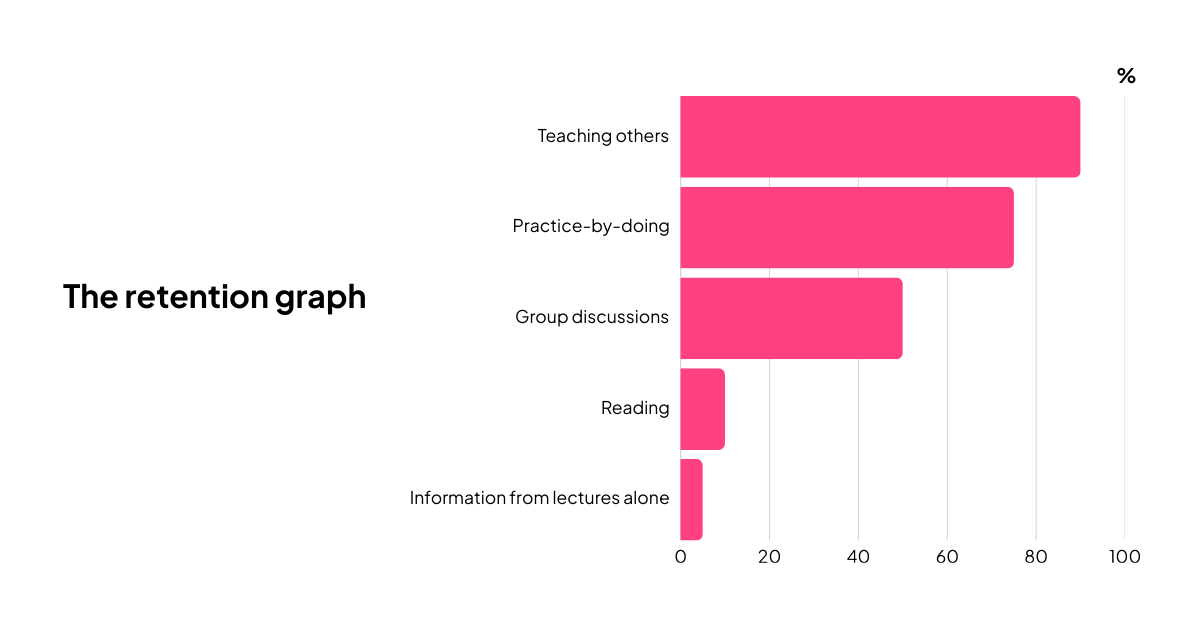
Podle Národních školicích laboratoří si účastníci uchovávají:
- 5% informací pouze z přednášek
- 10% z čtení
- 50% ze skupinových diskusí
- 75% z praxe
- 90% z učení ostatních
Proto nejefektivnější školení zahrnují více modalit učení a kladou důraz na interakci účastníků před monologem prezentujícího. Interaktivní prvky, jako jsou živé ankety, kvízy a otázky a odpovědi, nejenže školení zpříjemňují, ale zásadně zlepšují, jak si účastníci zapamatují a uplatní učivo.
Rámec ADDIE: Váš plánovací plán
Věnovat čas plánování školení není jen dobrý postup, ale také rozdíl mezi uchováváním znalostí a ztrátou času. Model ADDIE poskytuje systematický přístup používaný instruktážními tvůrci po celém světě.
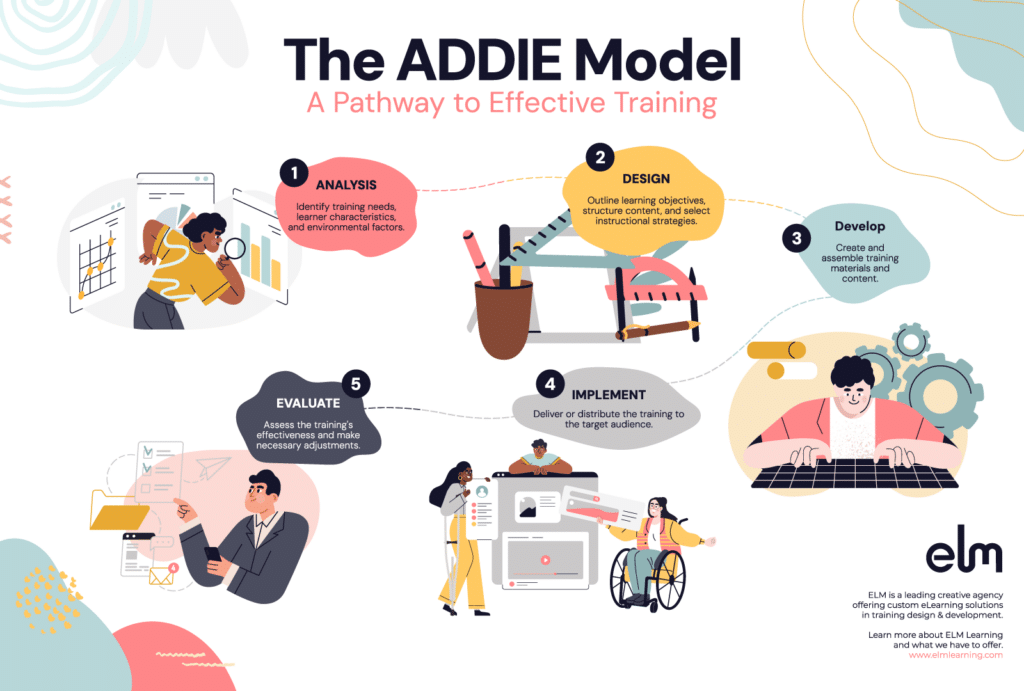
ADDIE znamená:
A - Analýza: Identifikujte vzdělávací potřeby a charakteristiky studentů
D - Návrh: Definujte cíle učení a zvolte metody jeho realizace
D - Vývoj: Vytvořte školicí materiály a aktivity
Implementace: Provést školení
E - Hodnocení: Měření efektivity a shromažďování zpětné vazby
Proč ADDIE funguje
- Systematický přístup: Nic není ponecháno náhodě
- Zaměřeno na studenta: Začíná se skutečnými potřebami, ne s předpoklady
- Měřitelný: Jasné cíle umožňují řádné hodnocení
- Iterativní: Hodnocení informuje o budoucích vylepšeních
- Flexibilní: Platí pro prezenční, virtuální a hybridní školení
Zbytek této příručky se řídí rámcem ADDIE a ukazuje vám přesně, jak naplánovat každou fázi – a jak vás interaktivní technologie, jako je AhaSlides, podporují v každém kroku.
Krok 1: Proveďte posouzení potřeb (fáze analýzy)
Největší chyba, které se školitelé dopouštějí? Za předpokladu, že vědí, co jejich publikum potřebuje. Podle zprávy Asociace pro rozvoj talentů o stavu odvětví z roku 2024… 37 % vzdělávacích programů selhává, protože neřeší skutečné nedostatky v dovednostech.
Jak identifikovat skutečné potřeby školení
Předškolní průzkumy: Rozesílejte anonymní průzkumy s otázkami „Na stupnici od 1 do 5, jak si jste jisti [konkrétní dovedností]?“ a „Jaká je vaše největší výzva při [plnění úkolu]?“ Použijte funkci průzkumu AhaSlides ke shromažďování a analýze odpovědí.
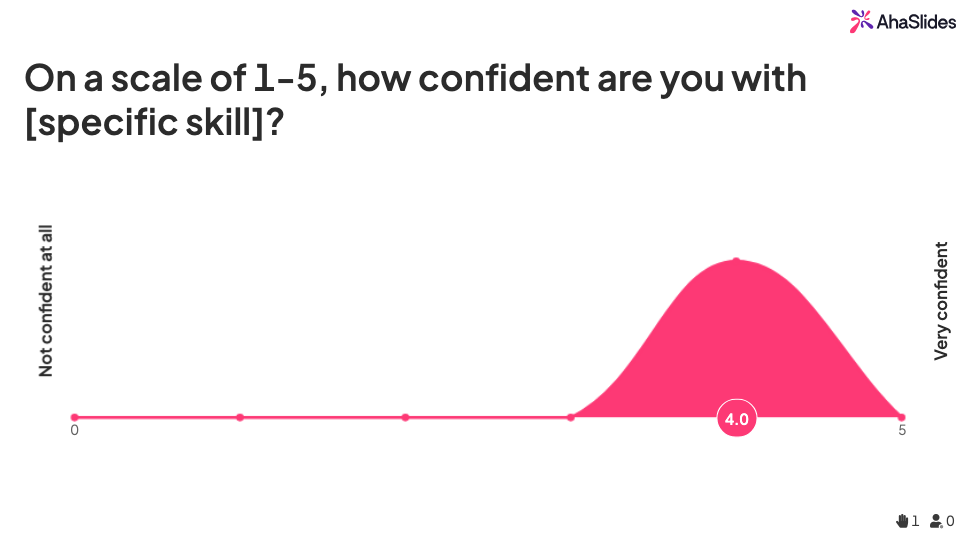
Analýza výkonnostních dat: Projděte si stávající data, zda neobsahují běžné chyby, zpoždění v produktivitě, stížnosti zákazníků nebo postřehy manažerů.
Fokusní skupiny a rozhovory: Mluvte přímo s vedoucími týmů a účastníky, abyste porozuměli každodenním výzvám a předchozím zkušenostem se školeními.
Porozumění vašemu publiku
Dospělí přinášejí zkušenosti, potřebují relevantnost a chtějí praktické uplatnění. Znejte jejich aktuální úroveň znalostí, studijní preference, motivaci a omezení. Vaše školení musí toto respektovat, žádné povýšenectví, žádné zbytečnosti, jen praktický obsah, který mohou okamžitě použít.
Krok 2: Napište jasné cíle učení (fáze návrhu)
Nejasné cíle školení vedou k vágním výsledkům. Vaše vzdělávací cíle musí být specifické, měřitelné a dosažitelné.
Každý vzdělávací cíl by měl být SMART:
- Konkrétní: Co přesně budou účastníci moci dělat?
- Měřitelný: Jak poznáte, že se to naučili?
- Dosažitelný: Je to realistické vzhledem k času a zdrojům?
- Relevantní: Souvisí to s jejich skutečnou prací?
- Časově omezeno: Do kdy by to měli zvládnout?
Příklady dobře formulovaných cílů
Špatný cíl: "Pochopte efektivní komunikaci"
Dobrý cíl: „Na konci této lekce budou účastníci schopni poskytovat konstruktivní zpětnou vazbu s využitím modelu SBI (Situace-Chování-Dopad) v rámci scénářů hraní rolí.“
Špatný cíl: "Naučte se o projektovém řízení"
Dobrý cíl: „Účastníci budou schopni vytvořit časovou osu projektu pomocí Ganttových diagramů a identifikovat závislosti kritické cesty pro svůj aktuální projekt do konce 2. týdne.“
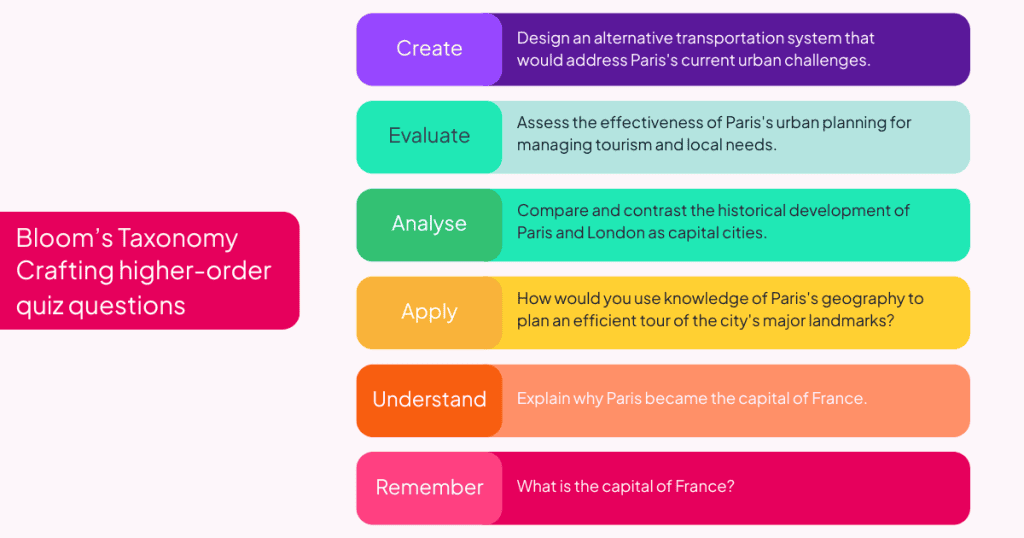
Bloomova taxonomie pro objektivní úrovně
Cíle struktury založené na kognitivní složitosti:
- Měj na paměti: Připomeňte si fakta a základní pojmy (definujte, vyjmenujte, identifikujte)
- Rozumět: Vysvětlit myšlenky nebo koncepty (popsat, vysvětlit, shrnout)
- Aplikovat: Používejte informace v nových situacích (předkládejte, řešte, aplikujte)
- analýza: Propojování myšlenek (porovnávání, zkoumání, rozlišování)
- Vyhodnotit: Zdůvodňovat rozhodnutí (hodnotit, kritizovat, soudit)
- Vytvořit: Vytvořit novou nebo originální práci (navrhnout, zkonstruovat, vyvinout)
U většiny firemních školení se zaměřte na úroveň „Apply“ nebo vyšší – účastníci by měli být schopni s tím, co se naučili, něco udělat, ne jen recitovat informace.
Krok 3: Návrh poutavého obsahu a aktivit (fáze vývoje)
Nyní, když víte, co se účastníci potřebují naučit, a vaše cíle jsou jasné, je čas navrhnout, jak to budete učit.
Sekvence a načasování obsahu
Začněte tím, proč je to pro ně důležité, než se ponoříte do otázky „jak“. Postupně se rozvíjejte od jednoduchého ke složitému. Použijte 10-20-70 pravidlo10 % úvod a zasazení do kontextu, 70 % základní obsah s aktivitami, 20 % procvičování a shrnutí.
Pro udržení pozornosti měňte aktivitu každých 10–15 minut. Během hry kombinujte tyto činnosti:
- Prolomení ledů (5–10 min): Rychlé ankety nebo slovní mraky pro zjištění výchozích bodů.
- Kontrola znalostí (2–3 min): Kvízy pro okamžitou zpětnou vazbu o porozumění textu.
- Diskuse v malých skupinách (10–15 min): Případové studie nebo společné řešení problémů.
- Hraní rolí (15–20 min): Procvičujte si nové dovednosti v bezpečném prostředí.
- Brainstorming: Slovní mraky pro shromažďování nápadů od všech současně.
- Živé dotazy a odpovědi: Anonymní otázky po celou dobu, nejen na konci.
Interaktivní prvky, které zvyšují udržení zákazníků
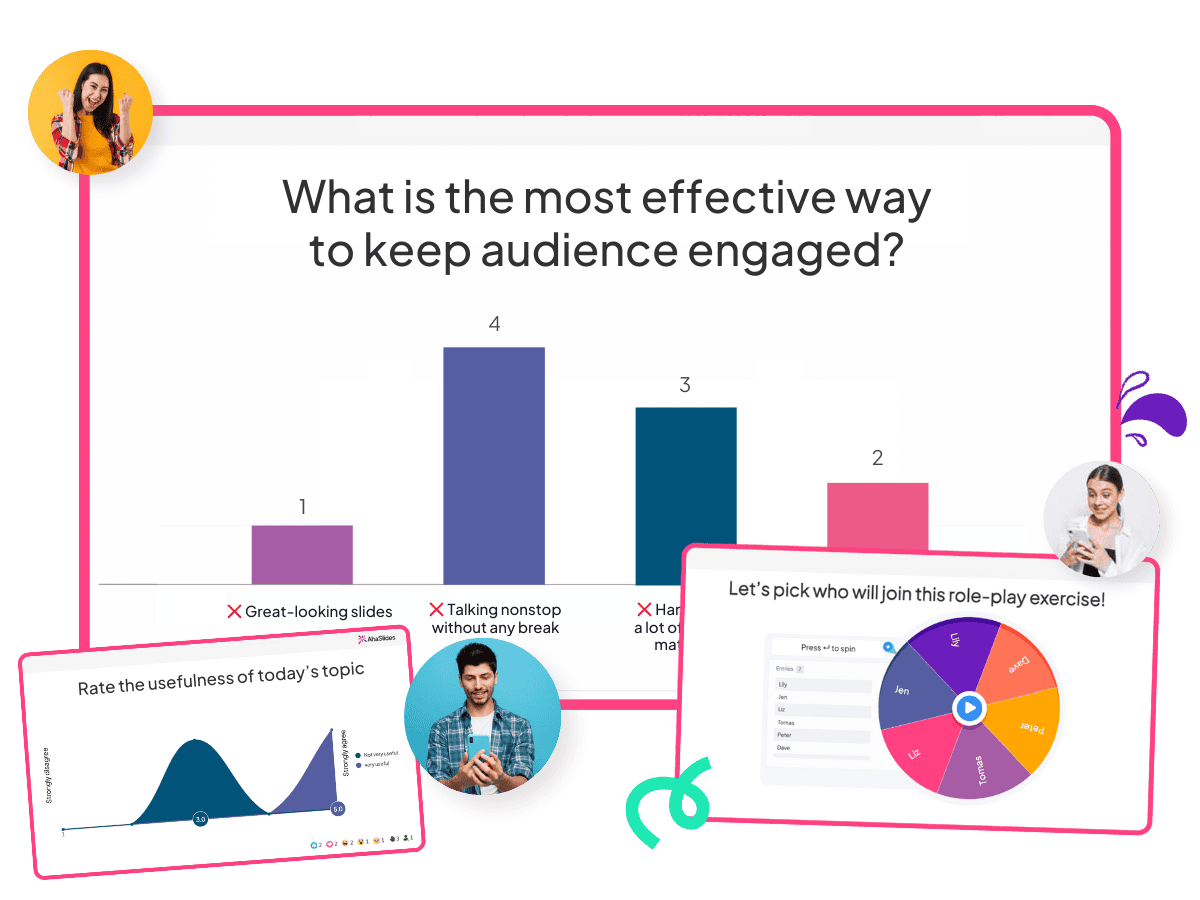
Tradiční přednášky vedou k 5% mírě udržení znalostí. Interaktivní prvky tuto míru zvyšují na 75 %. Živé ankety měří porozumění v reálném čase, kvízy proměňují učení ve hru a slovní mraky umožňují společný brainstorming. Klíčem je bezproblémová integrace – vylepšete svůj obsah, aniž byste přerušili jeho tok.
Krok 4: Vypracujte si školicí materiály (fáze vývoje)
S plánovanou strukturou obsahu vytvořte samotné materiály, které účastníci budou používat.
Principy návrhu
Prezentační slajdy: Udržujte je jednoduché, jedna hlavní myšlenka na snímek, minimum textu (maximálně 6 odrážek, každá 6 slov), jasná písma čitelná ze zadní části místnosti. Použijte nástroj AhaSlides AI Presentation Maker k rychlému generování struktur a poté mezi obsah integrujte ankety, kvízy a snímky s otázkami a odpověďmi.
Průvodci účastníků: Materiály s klíčovými pojmy, prostorem pro poznámky, aktivitami a pracovními pomůckami, ke kterým se mohou později vrátit.
Pro přístupnost: Používejte vysoce kontrastní barvy, čitelné velikosti písma (minimálně 24 bodů pro slajdy), popisky pro videa a nabízejte materiály v různých formátech.
Krok 5: Naplánujte interaktivní strategie doručování (implementační fáze)
I ten nejlepší obsah selže bez poutavého zpracování.
Struktura relace
Otevírací doba (10 %): Uvítání, shrnutí cílů, prolomení ledů, stanovení očekávání.
Jádrový obsah (70 %): Prezentujte koncepty po částech, po každé části následujte aktivity a používejte interaktivní prvky k ověření pochopení.
Závěrečný výsledek (20 %): Shrnutí poznatků, plánování akcí, závěrečné otázky a odpovědi, hodnotící dotazník.
Facilitační techniky
Ptejte se otevřenými otázkami: „Jak byste to aplikovali ve svém současném projektu?“ Po otázkách použijte 5–7 sekundovou čekací dobu. Normalizujte odpověď „nevím“, abyste vytvořili psychologickou bezpečnost. Všechno udělejte interaktivní – k hlasování používejte ankety, k otázkám – otázky a odpovědi, k překážkám – brainstorming.
Virtuální a hybridní školení
AhaSlides funguje napříč všemi formáty. U virtuálních relací se účastníci připojují ze zařízení bez ohledu na to, kde se nacházejí. U hybridních relací se účastníci v místnosti i vzdálení účastníci zapojují stejnou měrou prostřednictvím svých telefonů nebo notebooků – nikdo není vynechán.
Pokud váš program probíhá v několika sezeních, nikoli v jednom odpoledni, jako je například vícetýdenní úvodní program, Tvůrce online kurzů AhaSlides umožňuje vám zabalit tyto lekce do kurzu vlastním tempem, který si účastníci mohou projít mezi živými setkáními.
Krok 6: Vyhodnocení efektivity školení (fáze hodnocení)
Vaše školení není dokončeno, dokud nezhodnotíte, zda fungovalo. Použijte Kirkpatrickovy čtyři úrovně hodnocení:
Úroveň 1 - Reakce: Líbilo se to účastníkům?
- Metoda: Dotazník na konci sezení s hodnotícími škálami
- Funkce AhaSlides: Stručné hodnocení (1–5 hvězdiček) a otevřená zpětná vazba
- Klíčové otázky: „Jak relevantní bylo toto školení?“ „Co byste změnili?“
Úroveň 2 – Učení: Poučili se?
- Metoda: Předběžné a následné testy, kvízy, kontroly znalostí
- Funkce AhaSlides: Výsledky kvízů ukazují individuální i skupinový výkon
- Co měřit: Mohou prokázat získané dovednosti/znalosti?
Úroveň 3 – Chování: Uplatňují to?
- Metoda: Následné průzkumy po 30–60 dnech, pozorování manažerů
- Funkce AhaSlides: Odesílejte automatizované následné průzkumy
- Klíčové otázky: „Použili jste [dovednost] ve své práci?“ „Jaké výsledky jste viděli?“
Úroveň 4 - Výsledky: Ovlivnilo to obchodní výsledky?
- Metoda: Sledování výkonnostních metrik, klíčových ukazatelů výkonnosti (KPI) a obchodních výsledků
- Časová osa: 3–6 měsíců po tréninku
- Co měřit: Zlepšení produktivity, snížení chybovosti, spokojenost zákazníků
Využití dat ke zlepšení
Funkce Zprávy a analýzy AhaSlides vám umožňuje:
- Podívejte se, s jakými otázkami se účastníci potýkali
- Identifikujte témata, která vyžadují podrobnější vysvětlení
- Sledování míry účasti
- Export dat pro podávání zpráv zúčastněným stranám
Využijte tyto poznatky k vylepšení svého školení pro příště. Nejlepší školitelé se neustále zlepšují na základě zpětné vazby a výsledků účastníků.
Často kladené dotazy
Jak dlouho trvá naplánování tréninku?
Na hodinovou konzultaci věnujte 3–5 hodin přípravě: posouzení potřeb (1 hodina), návrh obsahu (1–2 hodiny), vývoj materiálů (1–2 hodiny). Používání šablon a AhaSlides může výrazně zkrátit dobu přípravy.
Co bych měl/a zkontrolovat před zahájením?
Technický: Audio/video funguje, AhaSlides je načten a otestován, přístupové kódy fungují. Materiály: Materiály připraveny, vybavení k dispozici. Obsah: Sdílený program, jasné cíle, časově ohraničené aktivity. Životní prostředí: Pokoj pohodlný, sezení vhodné.
Kolik aktivit bych měl/a zahrnout?
Změňte aktivitu každých 10–15 minut. Pro hodinovou lekci: úvodní část (5 min), tři obsahové bloky s aktivitami (každý 15 min), závěr/otázky a odpovědi (10 min).
Zdroje a další čtení:
- Americká společnost pro vzdělávání a rozvoj (ATD). (2024).Zpráva o stavu průmyslu"
- LinkedIn Learning. (2024). „Zpráva o učení na pracovišti“.
- ClearCompany. (2023).27 překvapivých statistik o rozvoji zaměstnanců, o kterých jste dosud neslyšeli"
- Národní vzdělávací laboratoře. „Pyramida učení a míra udržení“
- Kirkpatrick, DL a Kirkpatrick, JD (2006). „Hodnocení vzdělávacích programů“