


פעילויות מעורבות עובדים אינן רק שוברות קרח או ממלאות זמן. כאשר הן מתוכננות אסטרטגית, הן כלים רבי עוצמה שהופכים קהל פסיבי למשתתפים פעילים, והופכים מפגשי הדרכה ופגישות צוות לחוויות שמובילות לתוצאות מדידות. מחקר של גאלופ מראה באופן עקבי שארגונים עם צוותים מעורבים מאוד רואים רווחיות גבוהה יותר ב-23% ופרודוקטיביות גבוהה יותר ב-18%.
מדריך זה מספק למאמנים, אנשי מקצוע בתחום הלמידה והפיתוח וצוותי משאבי אנוש מידע מבוסס ראיות פעילויות מעורבות עובדים שעובדות במסגרות וירטואליות, היברידיות ואישיות. תגלו אסטרטגיות מעשיות שמשתלבות בצורה חלקה בתוכניות הקיימות שלכם, הנתמכות על ידי כלים אינטראקטיביים שהופכים את היישום לקל.
כיצד לבחור את פעילויות המעורבות הנכונות עבור הצוות שלך
לא כל פעילות מעורבות מתאימה לכל סיטואציה. כך תבחרו פעילויות שמתאימות להקשר הספציפי שלכם:
- קחו בחשבון את קהל היעד שלכם: מנהלים בכירים דורשים גישות מעורבות שונות מאשר עובדים בחזית או בוגרים חדשים. התאימו את מורכבות הפעילות והפורמט להעדפות הקהל שלכם ולרמה המקצועית.
- יישור קו עם מטרות: אם אתם מקיימים הדרכת תאימות, בחרו פעילויות המחזקות מושגים מרכזיים באמצעות למידה מבוססת תרחישים. עבור אירועי גיבוש צוות, תנו עדיפות לפעילויות המטפחות שיתוף פעולה ואמון.
- חשבון עבור מודלים של עבודה: צוותים מרוחקים זקוקים לפעילויות מעורבות וירטואליות המתוכננות במיוחד עבור סביבות דיגיטליות. צוותים היברידיים נהנים מפעילויות שעובדות באותה מידה עבור משתתפים פנים אל פנים וגם עבור משתתפים וירטואליים. צוותים בתוך המשרד יכולים למנף את המרחב הפיזי ואת האינטראקציה פנים אל פנים.
- מבנה איזון וגמישות: חלק מהפעילויות דורשות הכנה משמעותית והקמת טכנולוגיה. אחרות ניתנות לביצוע באופן ספונטני כשאתם חשים בירידה באנרגיה. בנו ערכת כלים הכוללת גם פעילויות מתוכננות וגם הגברת מעורבות מהירה.
- לאפשר השתתפות כוללנית: ודאו שהפעילויות מתאימות לאנשים מופנמים ואקסטרברטים, רקעים תרבותיים שונים ורמות שונות של נוחות טכנית. כלי קלט אנונימיים כמו סקרים חיים וסשנים של שאלות ותשובות נותנים לכולם קול.
25+ פעילויות מעורבות עובדים לפי קטגוריה
פעילויות מעורבות וירטואליות לצוותים מרוחקים
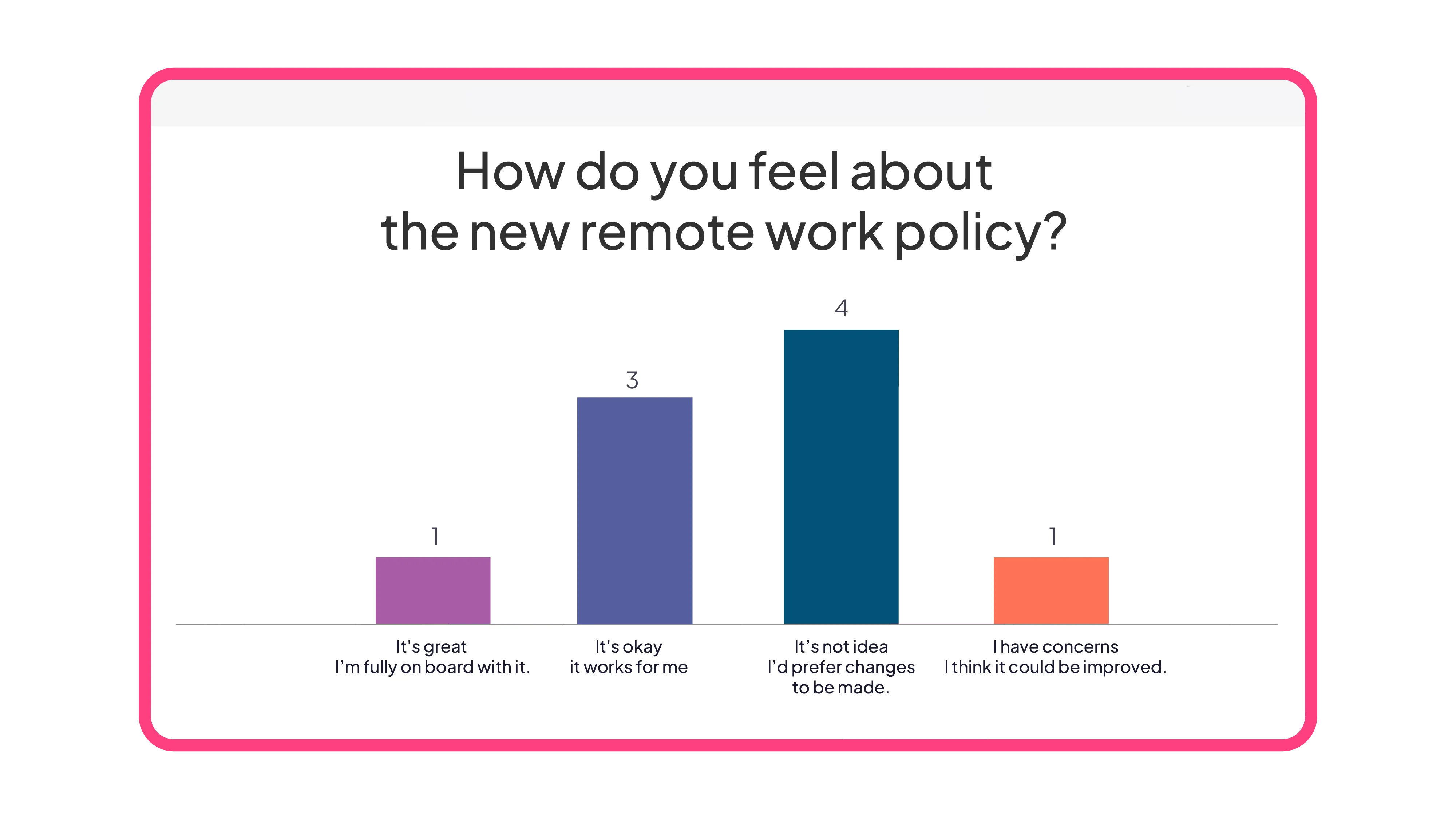
1. סקרים חיים לקבלת משוב בזמן אמת
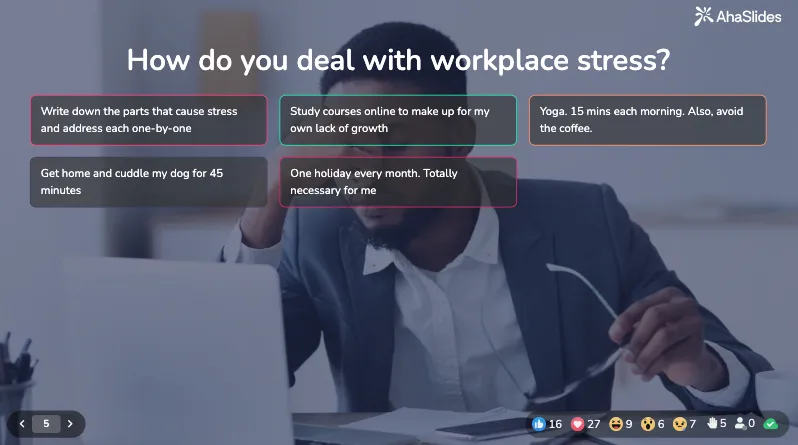
במהלך מפגשי הדרכה וירטואליים, השתמשו בסקרים חיים כדי לאמוד את ההבנה, לאסוף דעות ולשמור על תשומת הלב. סקרים הופכים מצגות חד-כיווניות לדיאלוג, ומעניקים לכל משתתף קול ללא קשר לנכונותו לדבר מול המצלמה.
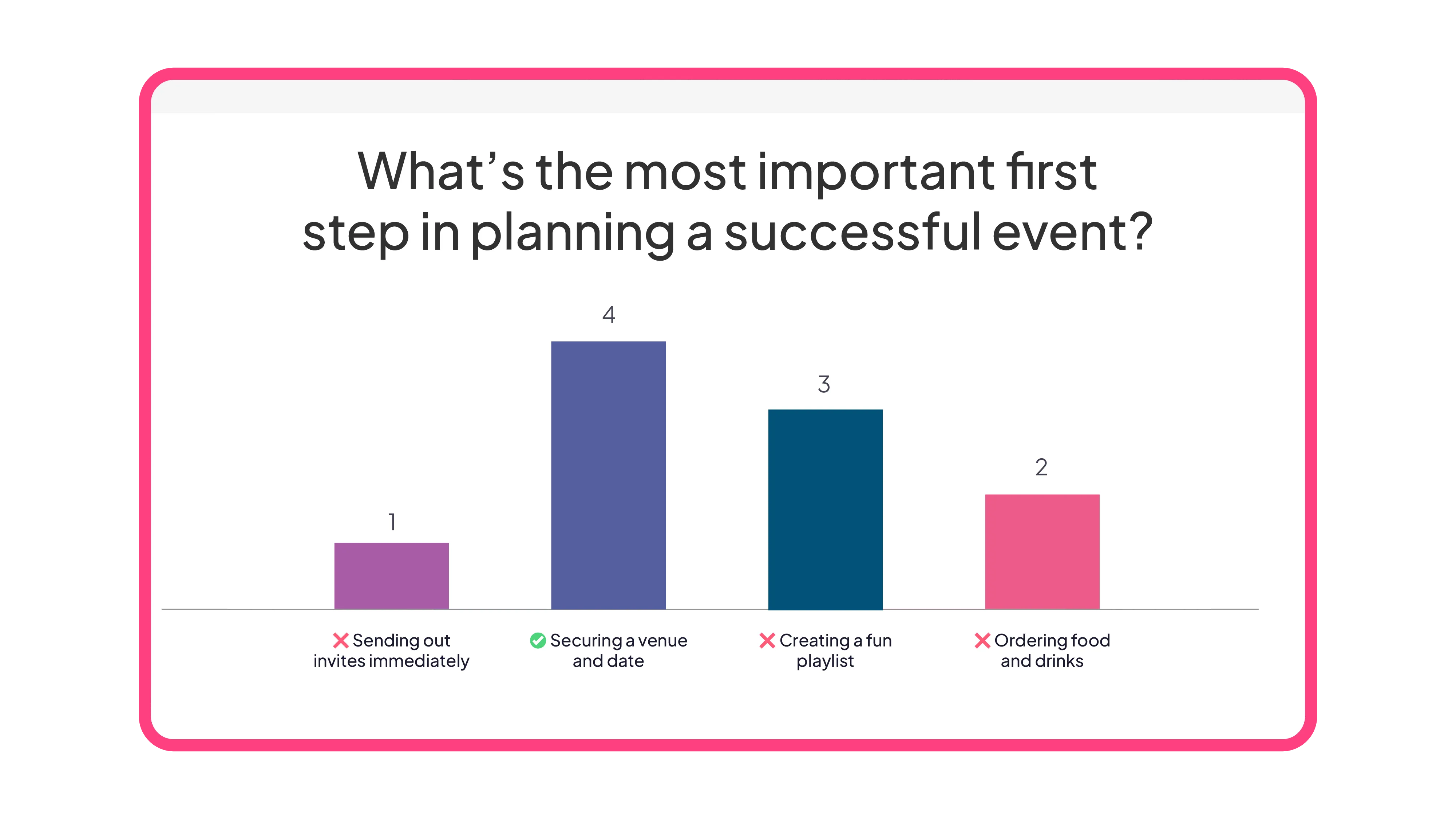
יישום: בנקודות מעבר מרכזיות במצגת, הוסיפו סקר המבקש מהמשתתפים לדרג את רמת הביטחון שלהם בחומר, להצביע על הנושא הבא לחקור, או לשתף את האתגר הגדול ביותר שלהם. הציגו את התוצאות באופן מיידי כדי להראות את הפרספקטיבה הקולקטיבית.
2. מפגשי שאלות ותשובות אינטראקטיביות
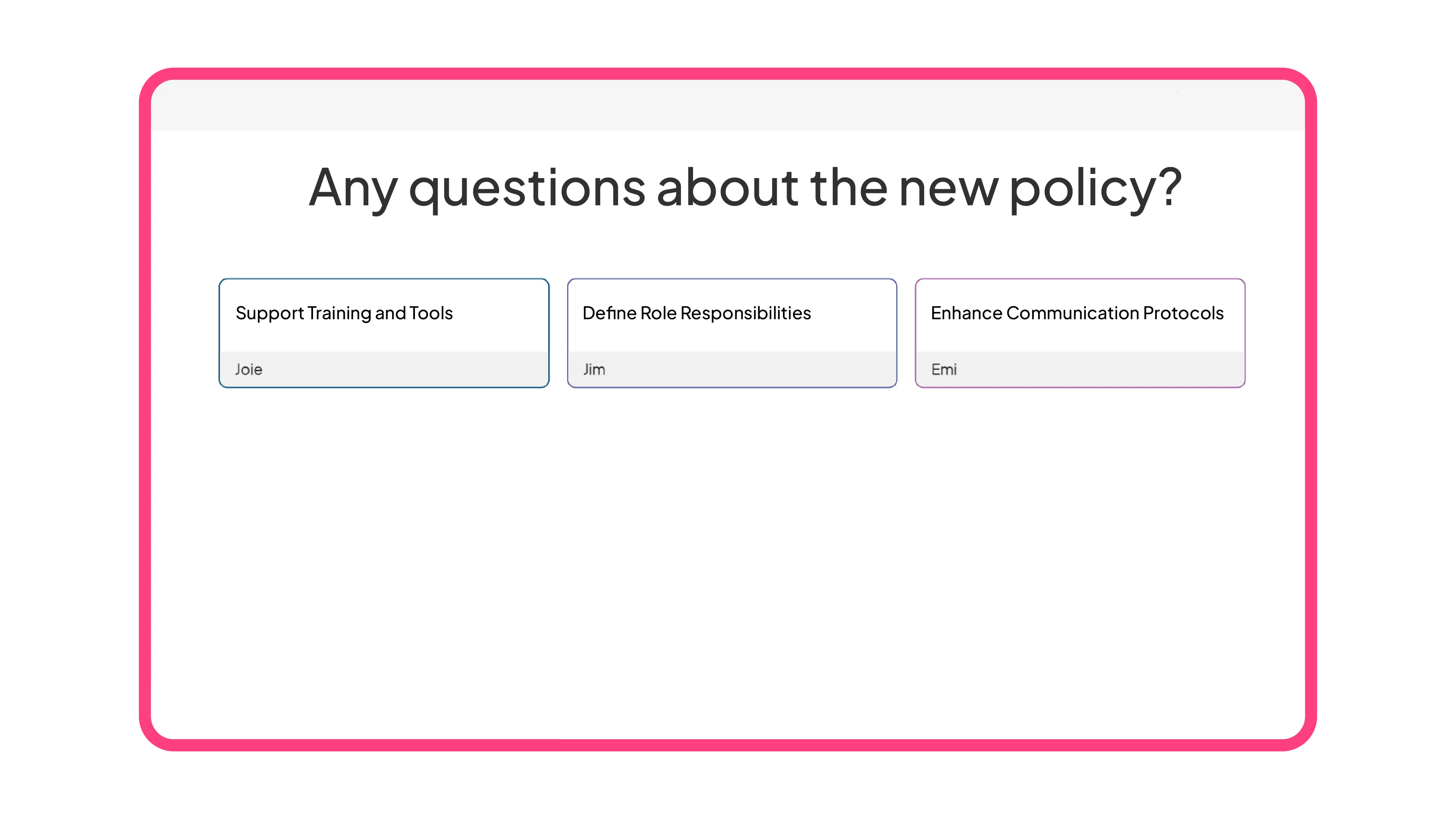
כלי שאלות ותשובות אנונימיים מסירים את מחסום הלחץ החברתי שמונע מאנשים לשאול שאלות בפגישות וירטואליות. המשתתפים יכולים להגיש שאלות במהלך הפגישה, ועמיתים יכולים להצביע בעד השאלות הרלוונטיות ביותר.
יישום: פתחו מפגש שאלות ותשובות בתחילת ההדרכה שלכם והשאירו אותו פועל. התייחסו לשאלות בנקודות הפסקה טבעיות או הקדישו את 15 הדקות האחרונות לשאלות שזכו ביותר לקולות. זה מבטיח שזמן דיון יקר יתמקד במה שחשוב ביותר לקהל שלכם.
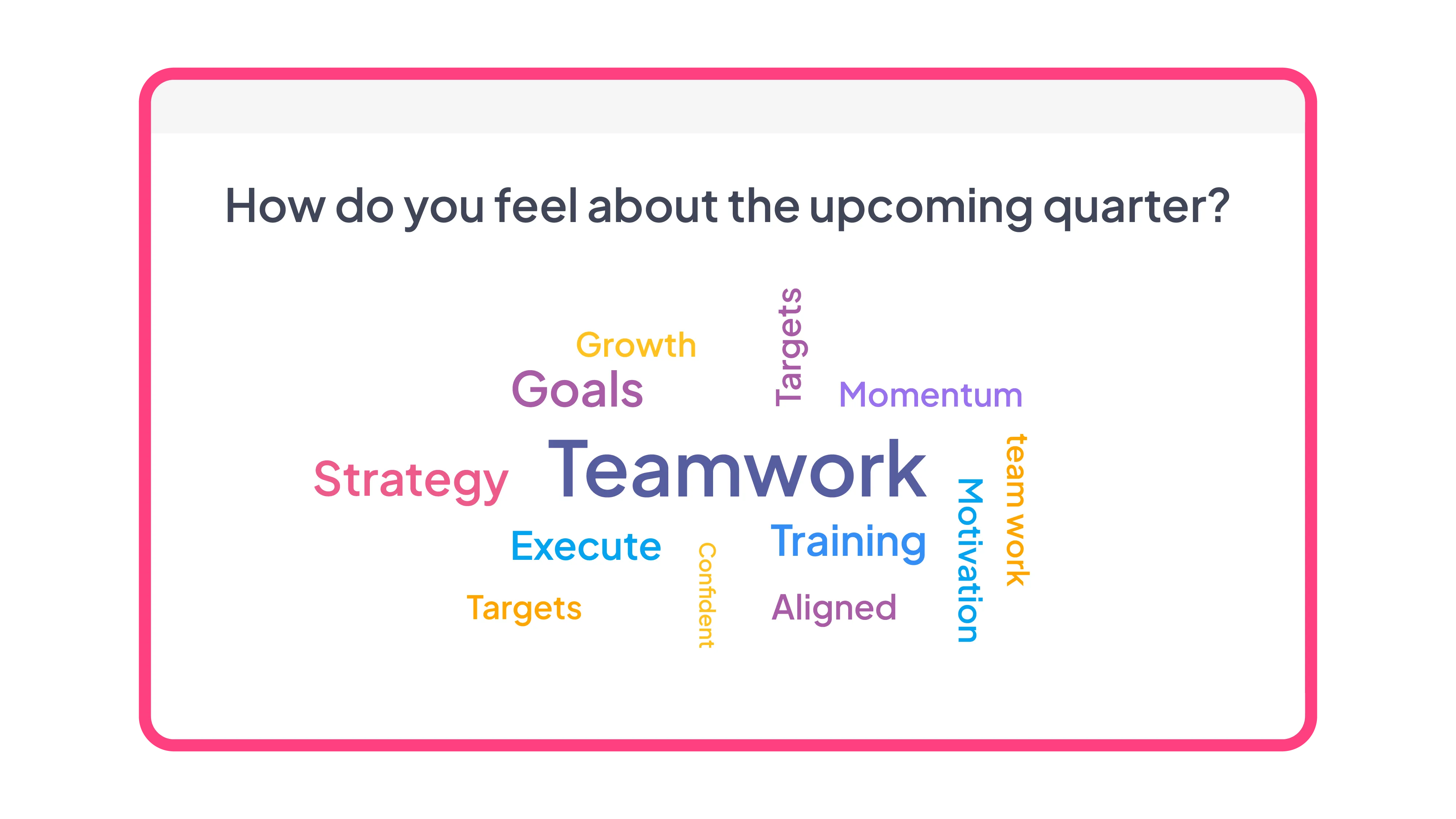
3. ענני מילים וירטואליים
ענני מילים מדמיינים חשיבה קולקטיבית בזמן אמת. שאלו שאלה פתוחה וצפו כיצד תשובות המשתתפים יוצרות ענן מילים דינמי, כאשר התשובות הנפוצות ביותר מופיעות בגודלן הגדול ביותר.
יישום: התחילו את הפגישה בשאלה "מה האתגר הגדול ביותר שלכם ב[נושא]?" או "במילה אחת, איך אתם מרגישים לגבי [יוזמה]?" ענן המילים שנוצר נותן לכם תובנה מיידית לגבי צורת החשיבה של החדר ומספק מעבר טבעי לתוכן שלכם.
4. תחרויות טריוויה וירטואליות
תחרות מבוססת ידע ממריצה מפגשים וירטואליים ומחזקת את הלמידה. צרו חידונים מותאמים אישית שבודקים את ההבנה של תוכן ההדרכה שלכם, תרבות החברה או ידע בתעשייה.
יישום: סיימו כל מודול הדרכה עם חידון קצר בן 5 שאלות. שמרו על טבלת הישגים לאורך מספר מפגשים כדי לעודד תחרות ידידותית ולעודד נוכחות עקבית.
פעילויות מעורבות היברידיות
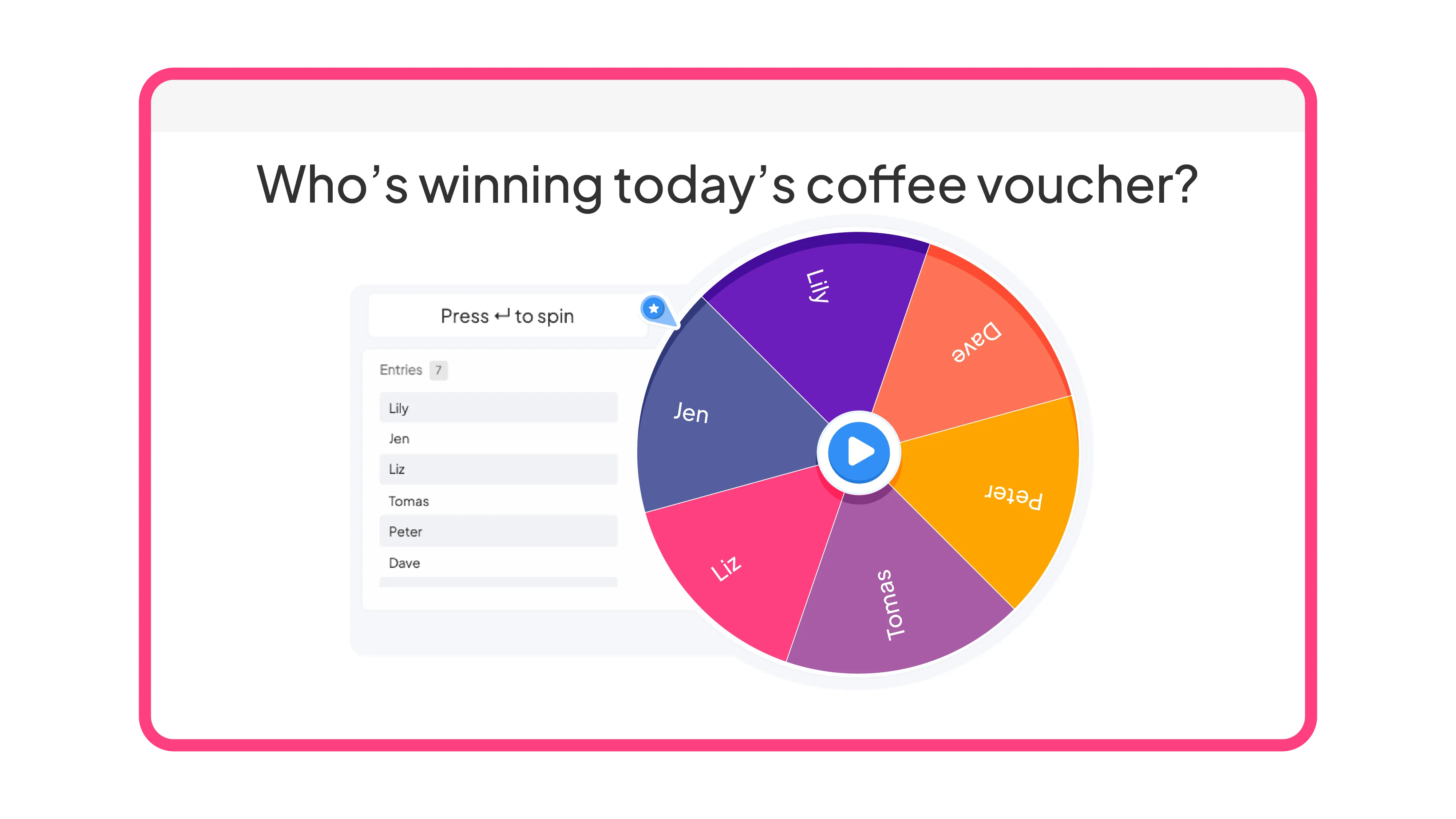
5. קבלת החלטות בגלגל ספינר
בעת הנחיית צוותים היברידיים, השתמשו בגלגל סבב אקראי כדי לבחור משתתפים לפעילויות, לבחור נושאי דיון או לקבוע את הזוכים בפרסים. אלמנט המקרה יוצר התרגשות ומבטיח השתתפות הוגנת בין מיקומים.
יישום: הצג גלגל על המסך עם שמות כל המשתתפים. השתמש בו כדי לבחור מי עונה על השאלה הבאה, מוביל את הפעילות הבאה או זוכה בפרס.
6. קלפיות בו זמנית בין מיקומים
ודא שמשתתפים מרחוק ומשתתפים בתוך המשרד מקבלים קול שווה על ידי שימוש בכלי סקרים שעובדים באופן זהה ללא קשר למיקום. כולם שולחים תשובות דרך המכשיר שלהם, ויוצרים השתתפות שווה.
7. אתגרי צוות היברידיים
תכננו אתגרים שיתופיים הדורשים שיתוף פעולה בין חברי צוות מרחוק וחברי צוות בתוך המשרד. זה יכול לכלול חיפושי אוצרות וירטואליים שבהם רמזים מגיעים משני המיקומים או פעילויות פתרון בעיות הדורשות נקודות מבט מגוונות.
8. זיהוי בין מיקומים
בנו תרבות של הערכה על ידי מתן אפשרות לחברי הצוות להכיר בתרומותיהם של עמיתים ללא קשר למיקומם. לוחות הערכה דיגיטליים הגלויים לכל חברי הצוות מציגים הישגים ומחזקים התנהגויות חיוביות.
פעילויות מעורבות בתוך המשרד
9. מצגות אינטראקטיביות עם תגובת הקהל
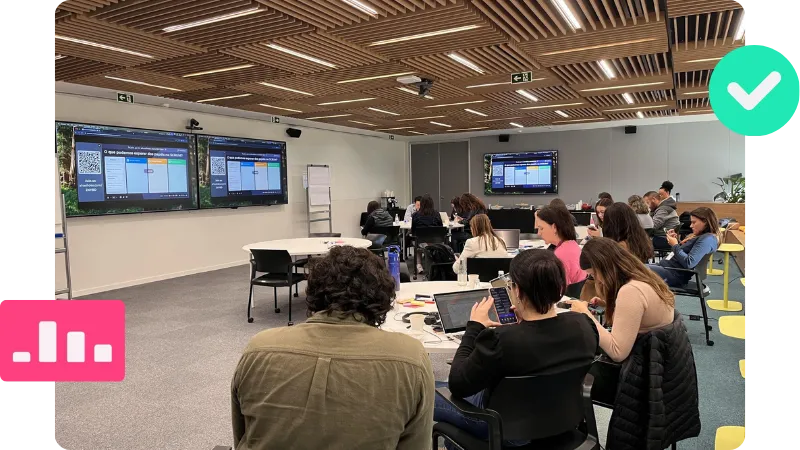
אפילו בחדרי הדרכה פיזיים, אינטראקציה מבוססת מכשירים מגבירה את המעורבות. במקום לבקש הרמת ידיים, בקשו מהמשתתפים להגיב דרך הטלפונים שלהם, תוך הבטחת משוב אנונימי וכנה.
10. חידונים חיים עם תחרות קבוצתית
חלקו את קבוצת ההדרכה הפרונטלית שלכם לצוותים וערכו חידונים תחרותיים. הצוותים מגישים תשובות יחד, מעודדים שיתוף פעולה והופכים את הלמידה לבלתי נשכחת יותר באמצעות תחרות ידידותית.
11. סיורי גלריה
תלו פליפ צ'ארטים או תצוגות ברחבי החדר, כל אחד מתמקד בהיבט אחר של נושא ההדרכה שלכם. המשתתפים עוברים בין תחנות בקבוצות קטנות, מוסיפים את מחשבותיהם ומתבססים על תרומות של עמיתים.
12. תרחישים של משחק תפקידים
עבור הכשרה מבוססת מיומנויות, אין כמו תרגול. צרו תרחישים מציאותיים שבהם המשתתפים יכולים ליישם מושגים חדשים בסביבה בטוחה עם משוב מיידי ממאמנים ועמיתים.
פעילויות לבריאות הנפש ואיזון בין עבודה לחיים
13. רגעי מיינדפולנס
התחילו או סיימו את המפגשים בתרגילי מיינדפולנס קצרים מודרכים. אפילו 3-5 דקות של נשימה ממוקדת או סריקת גוף יכולות להפחית מתח ולשפר את הריכוז לקראת העבודה שלפניכם.
14. אתגרי בריאות
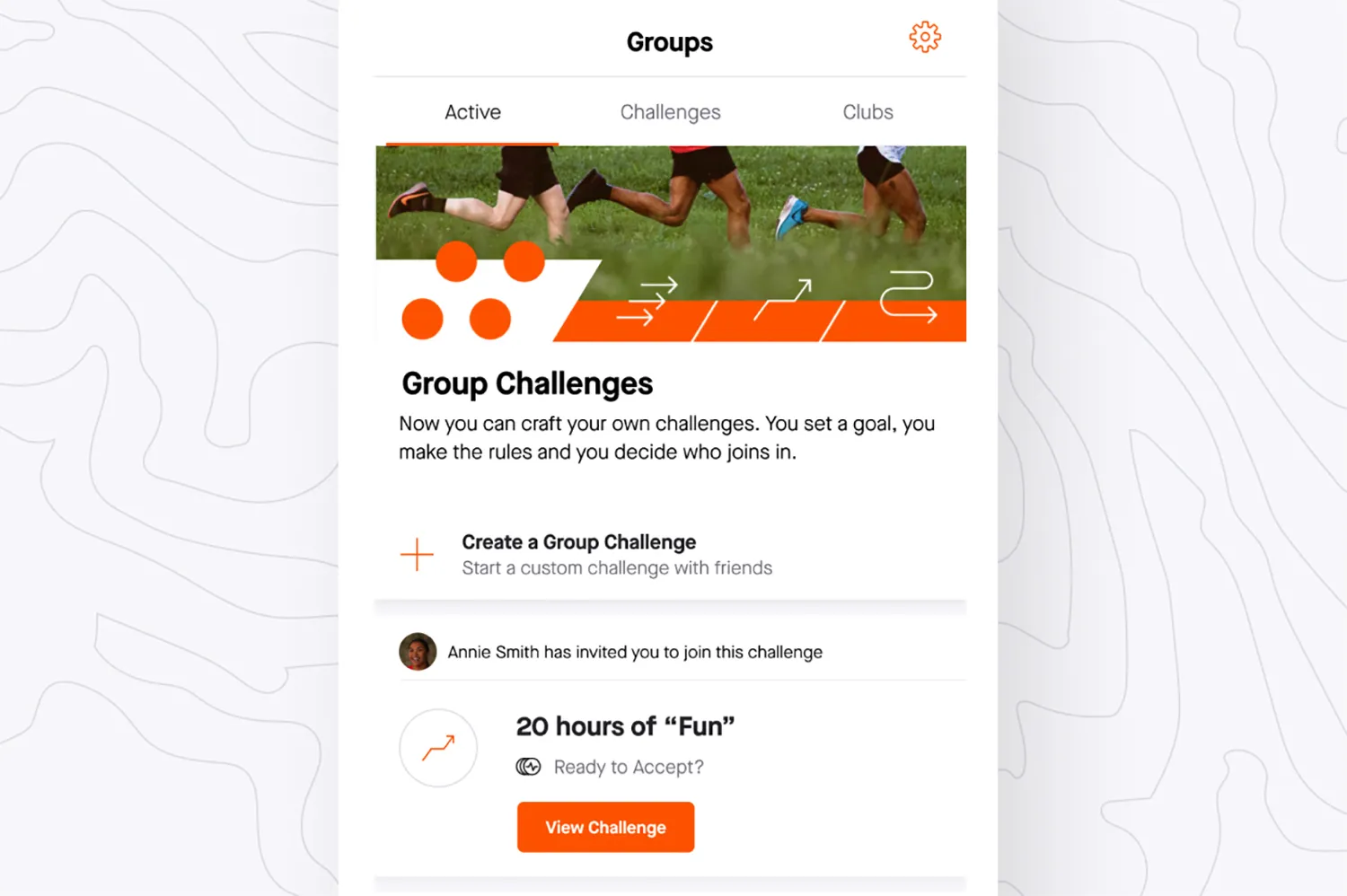
צרו יוזמות בריאות בנות חודש, המעודדות הרגלים בריאים כמו צעדים יומיים, צריכת מים או הפסקות מסך. עקבו אחר ההתקדמות באמצעות גיליונות אלקטרוניים משותפים פשוטים או פלטפורמות ייעודיות, וחגגו יחד אבני דרך.
15. פורמטים גמישים של צ'ק-אין
החליפו עדכוני סטטוס נוקשים בצ'קים גמישים שבהם חברי הצוות חולקים עדיפות מקצועית אחת וניצחון אישי אחד. זה מכיר באדם השלם מעבר לתפוקת העבודה שלהם.
16. משאבים לבריאות הנפש
ספקו מידע ברור על תמיכה זמינה בבריאות הנפש, משאבים לניהול מתחים ומדיניות איזון בין עבודה לחיים. ערכו סקרים חודשיים עליהם כדי לבדוק מה קורה בצוות שלכם.
פעילויות פיתוח מקצועי
17. מפגשי שיתוף מיומנויות הקדישו מפגשים חודשיים שבהם חברי הצוות מלמדים את עמיתיהם משהו מתחום המומחיות שלהם. זה יכול להיות מיומנות טכנית, מיומנות רכה או אפילו עניין אישי המציע פרספקטיבה רעננה.
18. תוכניות לימוד וארוחת צהריים
הבא דוברים מומחים או הנחיית דיונים בהנחיית עמיתים במהלך ארוחת הצהריים. הקפידו על אורך המפגשים של פחות מ-45 דקות עם נקודות ברורות שהמשתתפים יכולים ליישם באופן מיידי. כדי להבטיח שההדרכות שלכם באמת יישמרו, שקלו להגיש מועמדות. טכניקות למידה חזותיות לשקופיות שלך. זה עוזר לעובדים לזכור מידע מורכב הרבה יותר זמן מאשר הרצאות רגילות.
19. התאמת חונכות
שדכו עובדים פחות מנוסים לעמיתים מנוסים לצורך חונכות מובנית. ספקו הנחיות והנחיות לדיון כדי להבטיח קשרים פרודוקטיביים.
20. צללית עבודה חוצת תפקידים
אפשרו לעובדים להקדיש זמן לתצפית על עמיתים במחלקות שונות. זה בונה הבנה ארגונית ומזהה הזדמנויות לשיתוף פעולה.
פעילויות הוקרה וחגיגות
21. מערכות זיהוי עמיתים
הטמע תוכניות מובנות בהן עובדים ממליצים על עמיתים על הדגמת ערכי החברה או על מעבר לכך. פרסמו את ההכרות בישיבות צוות ובתקשורת החברה.
22. חגיגות אבן דרך
הכרה בימי נישואין לעבודה, השלמת פרויקטים והישגים מקצועיים. הכרה אינה דורשת אירועים מורכבים; לעתים קרובות, הכרה פומבית והערכה אמיתית חשובות ביותר.
23. פרסים מבוססי ערכים
צרו פרסים התואמים את ערכי החברה. כאשר עובדים רואים עמיתים מתוגמלים על התנהגויות שאתם רוצים לעודד, זה מחזק את התרבות בצורה יעילה יותר מכל מסמך מדיניות.
פעילויות מעורבות בפגישות
24. חימום לפגישות
התחילו כל פגישה בפעילות קצרה ליצירת קשר. זה יכול להיות סקר קצר על השבוע, סיכום של מילה אחת, או שאלה רלוונטית ומעוררת מחשבה הקשורה לסדר היום שלכם.
25. ימי שישי ללא פגישות
הקצו יום אחד בשבוע ללא פגישות, ותתנו לעובדים זמן ללא הפרעות לעבודה מעמיקה. מדיניות פשוטה זו מדגימה כבוד לזמנם וליכולתם הקוגניטיבית של העובדים.
שאלות נפוצות
מהן פעילויות מעורבות עובדים וירטואליות היעילות ביותר?
פעילויות המעורבות הווירטואליות היעילות ביותר משלבות השתתפות מהירה (פחות משתי דקות), מספקות משוב חזותי מיידי ועובדות על פני רמות מיומנות טכניות שונות. סקרים חיים, מפגשי שאלות ותשובות אנונימיים וענני מילים מספקים באופן עקבי מעורבות גבוהה משום שהם פשוטים לשימוש ומעניקים לכל משתתף קול שווה. חידונים וירטואליים עובדים היטב לחיזוק הלמידה, בעוד שדיונים בחדרי שיתוף מאפשרים שיחה מעמיקה יותר בקבוצות קטנות יותר.
האם פעילויות מעורבות עובדים אכן משפרות את תוצאות העסק?
כן. המחקר המקיף של גאלופ מראה שארגונים עם עובדים בעלי מעורבות גבוהה רואים רווחיות גבוהה יותר ב-23%, פרודוקטיביות גבוהה יותר ב-18% ותחלופה נמוכה יותר ב-43%. עם זאת, תוצאות אלו נובעות ממאמצי מעורבות מתמשכים, ולא מפעילויות חד פעמיות. הפעילויות חייבות להתאים לתרבות הארגונית ולמטרות האסטרטגיות שלכם כדי להניב תוצאות משמעותיות.
מהן פעילויות מעורבות העובדים הטובות ביותר עבור חברות קטנות?
לחברות קטנות יש יתרונות ייחודיים בכל הנוגע למעורבות עובדים. עם תקציבים מוגבלים אך צוותים מגובשים יותר, הפעילויות היעילות ביותר ממנפות קשרים אישיים ודורשות השקעה כספית מינימלית.
התחילו עם תוכניות הוקרה בעלות נמוכה. בצוותים קטנים, כל תרומה נראית לעין, לכן הכרו בהישגים בפומבי במהלך ישיבות צוות או באמצעות פתקי תודה פשוטים. הוקרה אינה דורשת תגמולים מורכבים; הערכה אמיתית היא החשובה ביותר.
כיצד מנהלים פעילויות מעורבות עובדים עבור קבוצות גדולות?
מעורבות של קבוצות גדולות מציבה אתגרים לוגיסטיים שצוותים קטנים אינם מתמודדים איתם, אך הפעילויות והכלים הנכונים הופכים את התהליך לניתן לניהול. הסוד הוא בחירת פעילויות שמתאימות ביעילות ואינן פוגעות במשתתפים על סמך מיקום או סוג אישיות.
השתמשו בטכנולוגיה כדי לאפשר השתתפות בו זמנית. פלטפורמות מצגות אינטראקטיביות מאפשרות למאות או אפילו אלפי משתתפים להשתתף בו זמנית דרך המכשירים שלהם. סקרים חיים אוספים תשומות מכולם תוך שניות, ענני מילים מדמיינים חשיבה קולקטיבית באופן מיידי, וכלי שאלות ותשובות מאפשרים למשתתפים להגיש ולהצביע בעד שאלות לאורך כל המושב. זה מבטיח שלכל אדם תהיה הזדמנות שווה לתרום, בין אם הוא נמצא בחדר ישיבות או מצטרף מרחוק.
תכננו פעילויות עם מרכיבים של קבוצות נפרדות. עבור פגישות או כנסים גדולים של כל המשתתפים, התחילו במעורבות קבוצתית באמצעות סקרים או חידונים, ולאחר מכן פצלו לקבוצות נפרדות קטנות יותר לדיון מעמיק יותר. זה משלב את האנרגיה של מפגשים קבוצתיים גדולים עם האינטראקציה המשמעותית האפשרית רק בקבוצות קטנות יותר.