


רוב מפגשי האסטרטגיה נכשלים עוד לפני שמישהו נכנס בדלת. סדר היום מעורפל, האנשים הלא נכונים נמצאים בחדר, ואין תוצאה ברורה שמישהו אחראי עליה. שלוש שעות לאחר מכן, הצוות עייף והאסטרטגיה נמצאת בדיוק במקום שבו הייתה.
זוהי בעיה שניתן לתקן. פגישות לא פרודוקטיביות עולות לעסקים אמריקאים כ-375 מיליארד דולר בשנה [1], וחלק גדול מהבזבוז הזה נובע מפגישות אסטרטגיה חוזרות ונשנות שמתנהלות ללא מבנה. יצירת פורמט נכון משתלמת במהירות.
מדריך זה מכסה מהי פגישת ניהול אסטרטגית, מי שייך לחדר, ותוכנית שלב אחר שלב לניהול פגישה שתניב החלטות אמיתיות.
מהי פגישת ניהול אסטרטגית?
ישיבת ניהול אסטרטגית היא מפגש מובנה שבו מנהלים בכירים סוקרים את ביצועי החברה, מעריכים האם האסטרטגיה הנוכחית עובדת ומסכימים על סדרי העדיפויות הבאים.
הגרסה הרשמית של פרקטיקה זו נקראת ניהול פגישות אסטרטגיות (SMM), המוגדרת על ידי התעשייה כניהול תהליכים, הוצאות, נפח, סטנדרטים, ספקים ונתונים הקשורים לפגישות ברחבי הארגון, על מנת להשיג יעדים עסקיים מדידים, התואמים את החזון האסטרטגי של הארגון [2]. במילים פשוטות: מדובר בהתייחסות לפגישות כמשאב מנוהל ולא כאירוע אד-הוק בלוח השנה.
מפגשים אלה מתקיימים בדרך כלל מדי רבעון. הם מסתמכים על נתונים מסקירות מכירות, מפגשי אסטרטגיית שיווק ועדכונים תפעוליים כדי לתת להנהלה תמונה מאוחדת של מצב העסק.
השאלה המרכזית שעליה מנסה לענות פגישת ניהול אסטרטגית היא: האם אנו משתמשים במשאבים שלנו באופן הסביר ביותר להשגת המטרות שלנו, ואם לא, מה צריך להשתנות?
למה לטרוח לארגן את הפגישות האלה כמו שצריך?
ניהול פגישה אסטרטגית ללא מבנה מבזבז זמן עבור האנשים היקרים ביותר בארגון. אך אם נעשית נכון, גישת SMM ממושמעת מספקת מספר יתרונות קונקרטיים.
הישירה ביותר היא בקרת עלויות. ארגונים המיישמים עקרונות SMM חוסכים בדרך כלל 10 עד 25% מהוצאות הקשורות לפגישות על ידי איחוד קשרים עם ספקים, סטנדרטיזציה של תהליכים וצמצום זמן שאובדן עקב פגישות המנוהלות בצורה גרועה [2].
יש גם יתרון במשא ומתן. כאשר מחלקות מגיעות לשולחן העבודה עם נתונים מוכנים והבנה משותפת של מטרות, חילוקי דעות הופכים לשיחות של פתרון בעיות ולא לסכסוכי טריטוריה. הפגישה יוצרת את התנאים שבהם אנשים באמת מנהלים פשרות.
קצב רבעוני עם מעקב מובנה משפר גם הוא את ניהול הסיכונים. הצוות סוקר את אותם מדדים שוב ושוב, מה שאומר שמגמות שאחרת היו נעלמות מעינינו במשך שישה חודשים צצות במקום זאת בפגישה הבאה.
לבסוף, סקירות אסטרטגיות הן הרגע הטבעי לנראות תקציבית: שאילת השאלה האם תוכניות מסוימות זקוקות למימון נוסף, האם החלטות על מספר עובדים תואמות את סדרי העדיפויות, או האם סעיף מסוים אינו מוצדק עוד על ידי תוצאות.
מי צריך להשתתף?
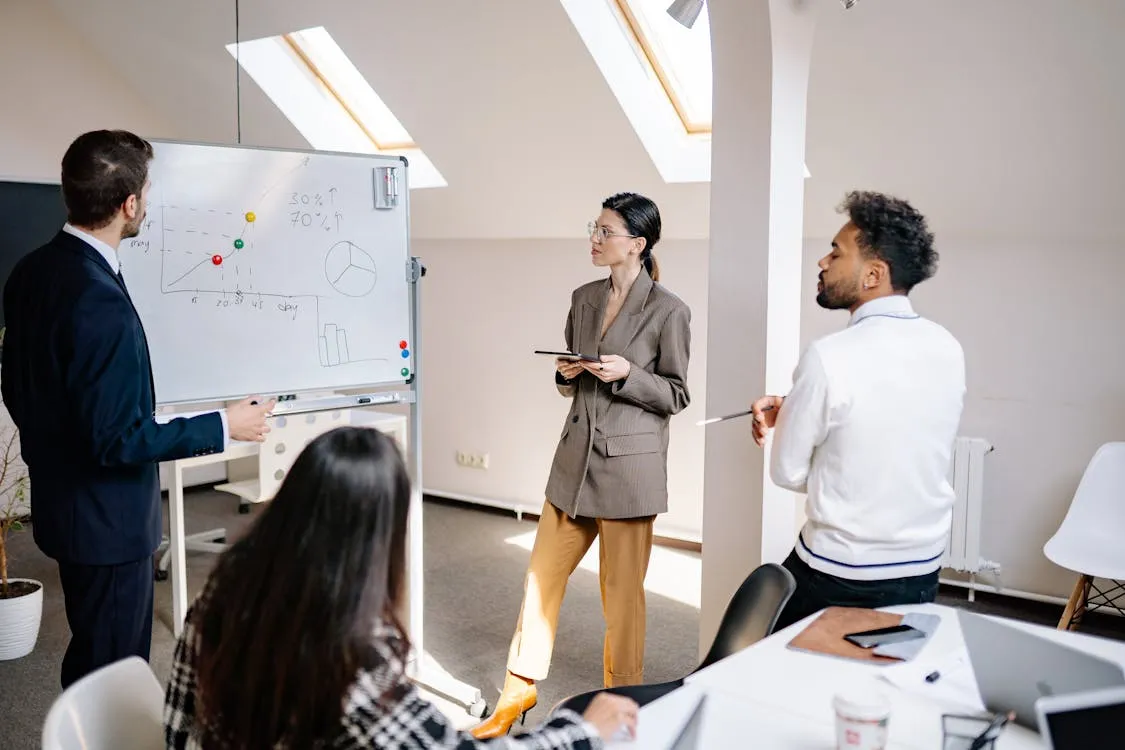
שמרו על חדר קטן. המנכ"ל (או המנהל הכללי, המנהל בפועל, או שווה ערך), ראשי המחלקות הרלוונטיים ומובילי הפרויקט שעבודתם נבדקת ישירות מהווים את קבוצת הליבה.
יותר מדי משתתפים יוצרים רעש. כאשר 20 אנשים נמצאים בחדר, השיחה מתקטעת, קבלת ההחלטות מואטת, והאנשים שבאמת צריכים לבצע שיחות בסופו של דבר מנהלים את הדינמיקה הקבוצתית.
אין זה אומר שקולות אחרים אינם נכללים. איסוף מידע מראש באמצעות סקרים, דוחות טרום פגישה והגשות בכתב מצוותים רחבים יותר הוא שיטה טובה יותר. אדם אחד בפגישה יכול לייצג את הנתונים הללו מבלי לדרוש מכולם להשתתף. AhaSlides הופך את זה לפרקטי: ניתן לשלוח סקר חי או שאלה פתוחה לחברה כולה לפני הפגישה ולהביא את התשובות המצטברות ישירות לפגישה.
כיצד לנהל פגישת ניהול אסטרטגית יעילה: תוכנית בת 11 שלבים
1. תזמנו מראש והקצאו בעלי נתונים
אין לכנס פגישות אסטרטגיות בהתראה קצרה. קבעו את התאריך לפחות שבועיים-שלושה מראש וזהו מי אחראי על כל פיסת נתונים או דוח שייבדקו.
יש להגיש את ההגשות מספר ימים לפני הפגישה כדי שהמשתתפים יוכלו לקרוא אותן בפועל, ולא בבוקר הפגישה. ניתוח שהוכן בלילה שלפני כן נוטה להופיע.
2. בניית סדר יום ברור
סדר יום אינו רשימה של נושאים. זוהי רצף של החלטות. כל סעיף בסדר היום צריך להיות קשור לשאלה שהקבוצה צריכה לענות עליה עד סוף אותו בלוק.
סדר יום עבודה לסקירה אסטרטגית של יום שלם עשוי להיראות כך:
חסימה של זמןמטרה9:00–9:30פתיחה והקשרהתאמת המטרה וכללי היסוד9:30–11:00סקירת ביצועיםהערכת תוצאות מול יעדים מהרבעון האחרון11:00–12:00עדכוני מחלקהבעיות שטחיות ואותות מוקדמים1:00–3:00סדרי עדיפויות אסטרטגייםסקירה, אתגר או התאמת הכיוון הנוכחי3:00–4:00בעיות פתורותעבודה על חסימות והחלטות לא פתורות4:00–5:00תכנון פעולההקצאת בעלים, מועדים אחרונים ומדדי הצלחה5:00–5:30שאלות ותשובות וסיכוםשאלות פתוחות, סגירת המושב
הקדישו זמן להפסקות ומעברים. סדר יום עמוס הדורש ריצה מהירה מנושא אחד למשנהו מייצר החלטות גרועות יותר מסדר יום קצר מעט יותר עם מקום לחשיבה.
3. קבעו כללי יסוד לפני תחילת הפגישה
כללים בסיסיים שנשלחים מראש מונעים בעיות צפויות. כללים נפוצים: אם אינך יכול/ה להשתתף, עליך לשלוח נציג מוסמך לקבל החלטות. טלפונים מושבתים במהלך הדיון. דובר אחד בכל פעם. חילוקי דעות צפויים; התקפות אישיות אינן צפויות.
כללים פשוטים, המועברים לפני שאנשים מתיישבים, מבטלים את רוב החיכוכים שמפריעים לפגישות אלו.
4. השתמשו בפגישות חודשיות של כל המשתתפים כהכנה
ישיבה אסטרטגית רבעונית עובדת טוב יותר כאשר הארגון כבר נוהג לתקשורת מתואמת. ישיבות חודשיות של כל המשתתפים משרתות תפקיד זה. הן שומרות על הצוות כולו מעודכן בכיוון, מעלות שאלות מוקדם, ומשמעותן שהישיבה האסטרטגית הרבעונית לא צריכה להשקיע מחצית מזמנה בעדכונים בסיסיים.
5. ערכו פגישת פתיחת פרויקט לכל דבר חדש
אם הפגישה האסטרטגית מעלה יוזמה חדשה, אל תנסו לתכנן אותה באותו חדר. קבעו פגישת פתיחה נפרדת עם האנשים שצריכים לבנות אותה בלבד. פגישה זו תכסה את היקף, מטרה, בעלים ולוח זמנים. היא אינה דורשת את כל צוות ההנהלה.
6. הגדירו את התפוקות הרצויות של הפגישה כבר בתחילתה
לפני תחילת כל סקירה, המנחה מציין את התוצאות הספציפיות שהקבוצה צריכה להגיע אליהן עד הסוף. לא "לדון באסטרטגיית השיווק", אלא "להחליט האם לשמור, להרחיב או להפחית את ההשקעה ברכישה בתשלום לרבעון השלישי".
פלטים ספציפיים מונעים מהפגישה להתנהל כעדכון סטטוס במסווה של מפגש אסטרטגיה. דוגמה אמיתית: אינטל של אנדי גרוב ניהלה כל מפגש סקירה עם יומן החלטות כתוב כפילט המוצהר, ולא סט של שקופיות. כל דיון ממוסגר סביב מה שמתקבל, לא מה שמדווח [3].
7. פתח עם שובר קרח
זו אינה הצעה רכה. מחקרים על דינמיקה קבוצתית מראים באופן עקבי שפעילויות חימום קצרות מגבירות את שיעורי ההשתתפות במהלך הדיון העניין שבא לאחר מכן [4]. עבור פגישות היברידיות שבהן חלק מהאנשים נמצאים בחדר ואחרים על המסך, שובר קרח מהיר גם מאוזן את מגרש המשחקים החברתי.
סקר בן 60 שניות ב-AhaSlides ששואל "מהו דבר אחד שאתם מקווים לפתור היום?" עושה את העבודה בלי לבזבז זמן. התשובות גם נותנות למנחה תמונה בזמן אמת של מה שעובר בפועל על דעתם של אנשים.

8. הפכו את המפגש לאינטראקטיבי, לא למצגת
מפגשי אסטרטגיה המתנהלים כמצגות רצופות מייצרים קהל פסיבי. 91% מהעובדים מודים שהם חולמים בהקיץ במהלך פגישות [1], וחדר מלא במצגות הוא הדרך המהירה ביותר לתוצאה זו.
במקום זאת, בנו בלוקים סביב בעיות במקום דוחות. התפצלו לקבוצות קטנות למשך 15-20 דקות על אתגר ספציפי, למשל, בעיית שימור לקוחות או פער במוצר. לאחר מכן התכנסו שוב כדי להשוות ממצאים. ערכו סקר חי בסוף בלוק הדיון כדי לראות היכן נמצא הקונצנזוס בפועל לעומת היכן הקולות הרועשים ביותר דחפו את השיחה. השתמשו בשאלות פתוחות ב-AhaSlides כדי לאסוף משוב בכתב בו זמנית, כך שמשתתפים שקטים יותר יוכלו לתרום מבלי להפריע.
9. זהה בעיות פוטנציאליות לפני שהן קורות
מה קורה אם הפגישה מתארכת לאורך זמן? מה קורה אם מקבל החלטות מפתח נאלץ לעזוב מוקדם? מה קורה אם הנתונים שמישהו היה אמור להכין חסרים?
רשום את התרחישים הללו בשלב התכנון שלפני הפגישה וקבע תגובה לכל אחד מהם. טיימר ספירה לאחור עבור סעיפים בודדים בסדר היום מונע סטיית זמן. רושם ייעודי מאפשר לתעד החלטות גם כאשר השיחה מתקדמת במהירות. הכנת שאלת חלופית לדיון פירושה שדו"ח חסר לא יגרום לחדר להתעכב.
10. השתמשו בכלים מקוונים כדי להעביר נתונים במהירות
תרשימים, לוחות מחוונים וסקרים חיים אינם קישוט. הצגת גיליון אלקטרוני בן 12 שורות בעל פה אורכת פי ארבעה זמן מהצגת תצוגה ויזואלית ברורה ומעוררת שאלות. כלים כמו AhaSlides, Miro ו... Google Slides לאפשר הצגת נתונים בפורמטים שהמשתתפים יכולים לעבד ולהגיב אליהם בזמן אמת.
עבור צוותים היברידיים או מרוחקים, סקרים חיים מספקים למשתתפים מבוזרים דרך ישירה לרשום את דעותיהם במקום להמתין שיקראו להם או להתקשות עם כפתורי ביטול השתקה.
11. סגרו עם שאלות ותשובות מובנות ופריטי פעולה ברורים
30 הדקות האחרונות של כל ישיבה אסטרטגית צריכות להניב רשימה כתובה של החלטות שהתקבלו, שאלות פתוחות הדורשות מעקב, ונקודות פעולה עם בעלי ההחלטות ששמם רשום ותאריכי יעד ספציפיים.
שאלות ותשובות בסגנון אולם עירוני בסוף הפגישה, שבה המשתתפים יכולים לשאול שאלות ישירות על ההנהגה, סוגרות את הפער החברתי בין מקבלי ההחלטות לצוות. זה גם מספק בדיקת בטן טבעית: אם המשתתפים שואלים שאלות שהיו צריכות לקבל מענה במהלך הפגישה, סדר היום היה זקוק ליותר זמן בנושאים אלה.
הפגישה לא מסתיימת כאשר אנשים עוזבים את החדר. היא מסתיימת כאשר סעיפי הפעולה מחולקים ונקבע מועד הצ'ק-אין הבא.
דוגמה מהעולם האמיתי
אנדי גרוב, מנכ"ל אינטל לשעבר, בנה את מערכת הניהול של החברה סביב מה שכינה פגישות "בעלות מינוף גבוה", שהן פגישות שבהן ההחלטות שהתקבלו מתערבות יחד על פני פעולות רבות נוספות [3]. גישתו התייחסה להכנת פגישות כאל דבר שאינו נתון למשא ומתן: אם לא היית מוכן לתרום להחלטה הנדרשת, לא היה לך מקום להיות בחדר. התפוקה תמיד הייתה תיעוד כתוב של מה שהוחלט ולמי היה אחראי על כל צעד הבא.
הפורמט אינו אקזוטי. זה בדיוק מה שמתארת תוכנית 11 השלבים לעיל. ההבדל הוא משמעת בביצוע.
שאלות נפוצות
מהם חמשת המושגים של ניהול אסטרטגי?
סריקה סביבתית, גיבוש אסטרטגיה, יישום אסטרטגיה, הערכה ובקרה, ומנהיגות אסטרטגית. פגישת ניהול אסטרטגית המנוהלת היטב נוגעת בכל החמשה, אך מתקיימת בעיקר בשלבי ההערכה, הבקרה והניסוח מחדש.
על מה דנים בפגישת אסטרטגיה?
ביצועים מול יעדים מהתקופה הקודמת, הכיוון האסטרטגי הנוכחי והאם הוא עדיין מתאים לשוק, הקצאת משאבים, סדרי עדיפויות לתקופה הבאה ואחריות לפעולות ספציפיות.
מה ההבדל בין פגישה אסטרטגית לפגישה טקטית?
פגישה טקטית מכסה את הפעילות לטווח הקרוב: מה צריך לקרות השבוע או בספרינט הזה. פגישה אסטרטגית נמצאת ברמה גבוהה יותר: האם הארגון צועד בכיוון הנכון וכיצד להקצות משאבים כדי להגיע לשם. שניהם הכרחיים; שילובם בפגישה אחת נוטה לגרום לכך שאף אחד מהם לא יבוצע כראוי.
מקורות
[1] Flowtrace. "100 סטטיסטיקות פגישות לשנת 2026." https://www.flowtrace.co/collaboration-blog/50-meeting-statisticsאוסף מחקרים על עלויות פגישות לא פרודוקטיביות ומעורבות עובדים במהלך פגישות.
[2] Cvent. "הבנת ניהול פגישות אסטרטגיות." https://www.cvent.com/en/blog/events/understanding-strategic-meetings-managementהגדרת תעשייה ועקרונות לחיסכון בעלויות של SMM.
[3] גרוב, א. (1983). ניהול תפוקה גבוההרנדום האוס. מקורו בנוהלי משמעת פגישות ויומן החלטות של אינטל.
[4] מירו. "כיצד לקיים פגישת תכנון אסטרטגית." https://miro.com/blog/strategic-planning-meeting/מכסה טכניקות להגברת השתתפות, כולל פעילויות חימום למפגשים היברידיים.