About 10.8% of US adults have a convincing food allergy, and 19.0% say they have one, according to a 2019 survey of 40,443 adults in JAMA Network Open. In a full dining room, some of your guests are in those numbers, and your team is the last check between them and their plate.
In the US, the law names nine major food allergens. This post lists all nine, shows where each one hides on a restaurant menu, gives you 5 service rules for every shift and ends with a quick quiz you can run with your team. It is written for restaurant staff and managers. The list is the US one, so check your own country's food authority if you work elsewhere.
The 9 major food allergens in one list
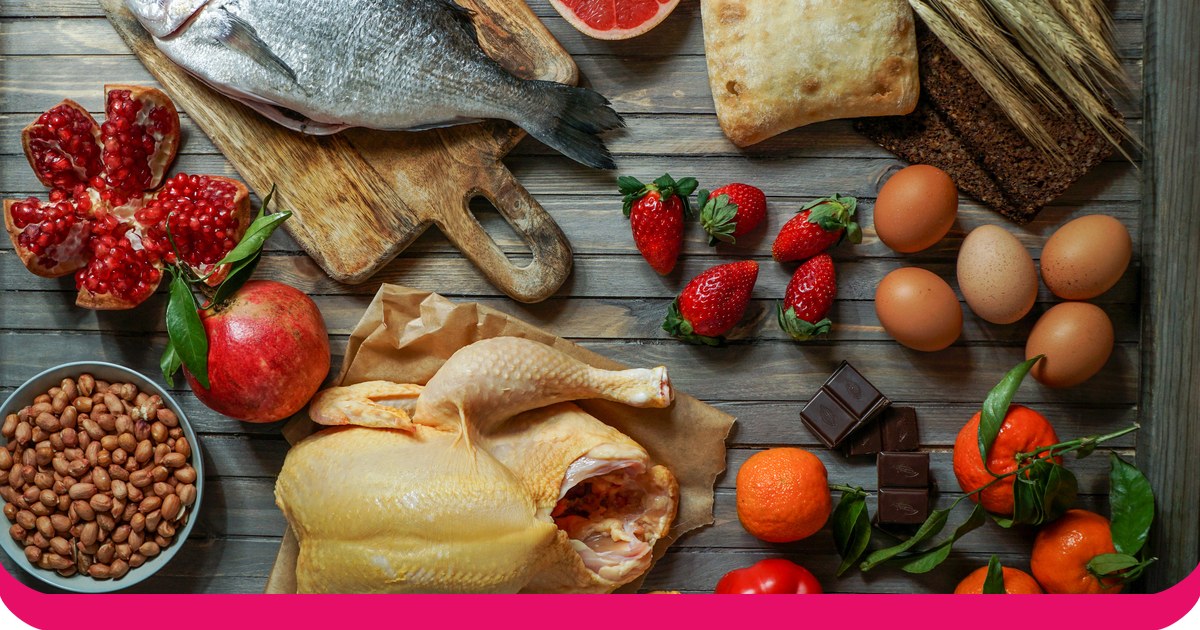
The FDA names the nine major food allergens as milk, eggs, fish, crustacean shellfish, tree nuts, peanuts, wheat, soybeans and sesame.
- Milk. All dairy, including butter, cream, cheese and whey.
- Eggs. Whole eggs, whites and yolks.
- Fish. The FDA gives bass, flounder and cod as examples of species.
- Crustacean shellfish. The FDA gives crab, lobster and shrimp as examples.
- Tree nuts. A group, not one nut. The FDA gives almonds, pecans and walnuts as examples.
- Peanuts. Not a tree nut. FARE notes that peanuts grow underground and are legumes.
- Wheat. A wheat allergy is not the same as coeliac disease.
- Soybeans. Soy is also a legume, as FARE explains.
- Sesame. The newest. The FASTER Act, signed on 23 April 2021, made it the ninth allergen from 1 January 2023. The earlier law, FALCPA of 2004, named eight.
Round 1: where allergens 1 to 5 hide
The examples below are common ones, not complete lists. The only way to know what is in a dish is to check the recipe and the labels.
Set 1: milk, eggs, fish, shellfish and tree nuts
- Milk: cream sauces and soups, mashed potato, and anything finished with butter. On packaged ingredients, look for "whey (milk)", one of the label examples the FDA gives.
- Eggs: mayonnaise and aioli, fresh pasta, an egg wash on bread and pastries, and meringue.
- Fish: Caesar dressing and Worcestershire sauce, which are commonly made with anchovies, and fish stock in soups and sauces.
- Crustacean shellfish: bisques and seafood stock, paella, and shrimp paste in some curry pastes.
- Tree nuts: marzipan (almond paste), praline (often made with hazelnuts or almonds), granola, nut oils, and almond flour in gluten-free baking.
Our pick: eggs. They turn up in sauces, glazes and pasta without announcing themselves, so a guest who says "no eggs" and orders a glossy bread roll is a real trap.
Round 2: where allergens 6 to 9 hide
Set 2: peanuts, wheat, soybeans and sesame
- Peanuts: satay sauce, ice cream and baked goods that share a scoop or a tray.
- Wheat: soy sauce, breadcrumbs and batters, beer, and gravy or sauce thickened with flour.
- Soybeans: soy sauce, miso and tofu. Look for "lecithin (soy)" on packaged chocolate and baked goods, another FDA label example.
- Sesame: tahini in hummus and dressings, burger buns and bagels, sesame oil in stir-fries and marinades, and seasoning blends.
Our pick: sesame. It is the newest on the list and the one teams forget. The FDA also says some manufacturers have started adding sesame to bakery products that did not contain it before, and that packaged food made before 1 January 2023 can still be on shelves without a sesame label, so read every label again.
Round 3: five service rules for every shift
Rule 3 uses the FDA's own definition. The other four are our practical advice, not FDA rules. Each comes with a scenario you can use in a team talk.
- Ask every guest. Make "any allergies?" part of every order, not only when someone mentions one. Scenario: a guest orders the chicken and says nothing. You ask anyway, and they say "sesame".
- Never guess. Check the recipe. If you are not sure, say so and find out. Scenario: a guest with a milk allergy asks if the soup is dairy-free. You are fairly sure it is. Check the recipe card and ask the chef.
- Prevent cross-contact. The FDA defines it as the inadvertent introduction of a major food allergen into a product. Scenario: a nut-free dessert is plated on a board that just held a praline tart.
- Use a separate tool and a clean surface. Fresh gloves, a clean board and a clean utensil, not a wipe of the old one. Scenario: the same tongs lift a battered prawn and then a salad garnish.
- Tell the kitchen and confirm back. Flag the allergy on the ticket, say it aloud and have the cook repeat it. Scenario: the server mentions an egg allergy at the pass in a rush. Nobody confirms, and the dish leaves with aioli.
Our pick: rule 2, never guess. A guess is how a confident answer becomes an incident. "Let me check" costs a minute.
A 10-question allergen quiz for your team
Mix two kinds of question: "which allergen is in this dish?" and "what do you do?". Use your own menu for the real session. These ten are a start.
- Which allergen is in a classic Caesar dressing? Fish, from anchovies, and often eggs too. Check your own recipe.
- A guest says they are allergic to tree nuts. Is a peanut sauce safe? Not automatically. Peanuts are a separate allergen, but the guest may have both, so ask, and check the sauce for other nuts.
- You are about to garnish a plate with the tongs you used on shrimp. What do you do? Swap in a clean tool. That is cross-contact prevention.
- Which allergen is the newest on the US list? Sesame, from 1 January 2023.
- A guest says "no wheat". Is soy sauce fine? No. Soy sauce is commonly made with wheat, so check the label or the recipe.
- Which allergens does a glossy egg-washed bread roll risk for a guest? Eggs, and wheat in the bread itself.
- A guest asks, "Is there any milk in the mash?" You are not sure. What do you say? "Let me check with the chef." Never guess.
- True or false: peanuts are tree nuts. False. Peanuts are legumes, and they are a separate allergen from tree nuts.
- What should the kitchen do when it receives an allergy ticket? Read it back, confirm it aloud and use clean tools and a clean surface.
- A packaged bun was delivered before 2023 and the label does not list sesame. Is it sesame-free? Not necessarily. Packaged food made before 1 January 2023 can lack a sesame label, so ask your supplier.
Ways to host this training with a group
A list on a wall gets read once. A short live session gets answered.
- Pick Answer: put a dish on screen and ask which allergens it contains. Show the results, then go through the recipe.
- Word Cloud: ask "Which dish worries you most?" and see which dishes the whole team names.
- Rating Scale: ask "How sure are you about the 9?" before and after the session. The gap is your result.
- Open Ended, anonymous: ask for near-misses. People share more when their name is not on it.
If you want a ready-made session, the Food allergen awareness course template gives you slides to adapt. For more ideas, see how to train kitchen staff on food safety and our guide to interactive hospitality training.
Tips for managers
Remember the stat from the start: 10.8% of US adults have a convincing food allergy, and 19.0% report one. Plan for them on every shift.
- Hold a monthly five-minute allergen huddle. Pick one allergen and one menu item.
- Train new starters before their first service, not after.
- The FDA's Food Code notice says employee food safety training programmes must include food allergy awareness of the 9 major food allergens (Food Code sections 2-102.11 and 2-103.11) and should consider developing operational specific allergen training programmes. The Food Code is a model, not a law; whether it applies depends on whether your state or local authority has adopted it.
Frequently asked questions
What are the 9 major food allergens?
Milk, eggs, fish, crustacean shellfish, tree nuts, peanuts, wheat, soybeans and sesame, in the US, according to the FDA.
When did sesame become the ninth?
On 1 January 2023, under the FASTER Act signed on 23 April 2021. Before that, the list had eight.
What is cross-contact?
The inadvertent introduction of a major food allergen into a product, in the FDA's words. A shared tool, board or fryer can do it.
Do restaurants have to train staff on allergens?
The FDA Food Code says training programmes should include awareness of the 9. Whether that binds you depends on whether your state or local authority has adopted the Food Code, so check with your local health authority.
Is the list the same outside the US?
No. Lists differ by country, so check your national food authority.
Where to start
Pick one round and use it at your next pre-shift huddle. If you have five minutes, start with sesame.