Looking for brain training games for memory? Whether you want to stay sharp for exams, keep your mind active as you get older or find a fun memory game for your kids, there is a game here for you. Here are 17 options in three rounds: apps and websites, puzzles, board games and consoles, and simple memory games to play with children. Each round is split into small sets, so you can pick and mix.
We have also been honest about what these games can and cannot do. In 2016, Daniel Simons and colleagues reviewed the research behind the brain-training industry and found that practice improves the trained tasks, with very little evidence that it carries over to everyday thinking. Playing is a good way to exercise your recall, and we cover what works better further down.
Quick facts
| Question | Answer |
|---|---|
| How many games are on this list? | 17 games: 7 apps and websites, 5 puzzles, board games and consoles, and 5 for kids |
| Do I need to pay? | Not always. Many apps have a free version or trial, the paper puzzles and kids' games cost little or nothing, and the Nintendo Switch game is paid |
| Do they improve memory? | You will get better at the games you practise; wider benefits are less certain |
| What else helps memory? | Testing yourself and spacing out practice (the best-supported study strategies), plus good sleep and exercise |
What are brain training games for memory?
Brain training games for memory are puzzles and activities designed to challenge how well you take in, hold and recall information. Different games lean on different kinds of memory: short-term memory (holding a phone number in your head), working memory (juggling several pieces of information at once), long-term memory (recalling facts and words) and spatial memory (remembering where things are).
The idea is simple. Play regularly, gradually raise the difficulty and your memory gets a workout. With regular play, you will usually get better at the games themselves.
Do brain training games work? What the research says
The honest answer is: partly. According to the Association for Psychological Science summary of the review, brain-training tasks improve performance on the trained tasks themselves, there is less evidence of improvement on closely related tasks, and very little evidence that the training improves distantly related tasks or everyday thinking.
Regulators have taken note too. In January 2016, the makers of Lumosity agreed to pay $2 million to settle US Federal Trade Commission charges that they had advertised unfounded claims, including that the games could help people perform better at work and school and delay age-related cognitive decline.
So treat these games as enjoyable mental exercise, not a guaranteed memory upgrade. If you want to remember specific material, such as exam content or training notes, a commentary published alongside the review points to better-supported strategies: testing yourself on the material and spacing your practice out over time.
Round 1: brain training apps and websites
| Game | Type | Cost | Best for |
|---|---|---|---|
| Lumosity | App | Free version limits daily games | Memory, attention and problem-solving |
| Elevate | App | Varies | Reading, writing, speaking, maths and memory |
| Peak | App | Varies | Memory, problem solving, mental agility and focus |
| CogniFit | App | Varies | Memory and concentration, including children and people aged 65 and over |
| BrainHQ | App | Some exercises free to try, then a subscription | Memory, attention and processing speed |
| BrainBashers | Website | Free | A quick five-minute break |
| Happyneuron | Website | Short free trial | Memory, language and executive functions |
Set 1: popular apps
| App | What it offers |
|---|---|
 1. Lumosity | Lumosity is a widely used brain training app, with short games covering memory, attention and problem-solving. It adjusts the difficulty to your level, so the games stay challenging as you improve. The free version limits how many games you can play each day. |
 2. Elevate | Elevate goes beyond memory, with games for reading, writing, speaking and maths as well. Its clean design and daily sessions make it easy to build a habit, and it shows you where your strengths are and where you can grow. |
 3. Peak | Peak offers games for memory, problem solving, mental agility and focus. |
 4. CogniFit | CogniFit starts with an assessment and builds a personalised programme around your strengths and weaknesses, with specific training for memory and concentration. It also has separate training for children and for people aged 65 and over. |
 5. BrainHQ | BrainHQ, from Posit Science, offers exercises for memory, attention, processing speed and more. Some exercises are free to try before you subscribe. |
Our pick: CogniFit. It starts with an assessment, so you spend your practice time on the skills you most need to work on.
Set 2: websites
| App | What it offers |
|---|---|
 6. BrainBashers | BrainBashers is a free website with logic puzzles, number puzzles and memory challenges. There is nothing to install, so it suits a quick five-minute break. |
 7. Happyneuron | Happyneuron combines brain games across areas such as memory, language and executive functions, and offers a short free trial. It also has a separate professional library for people who work in cognitive health. |
Our pick: BrainBashers. It costs nothing and works on any device with a browser, which makes the habit easy to start.
AhaSlides is not affiliated with these apps. Logos and trademarks belong to their owners.
Round 2: puzzles, board games and consoles
Games 8 to 12: puzzles, board games and consoles
| Game | How it works | Cost | Best for |
|---|---|---|---|
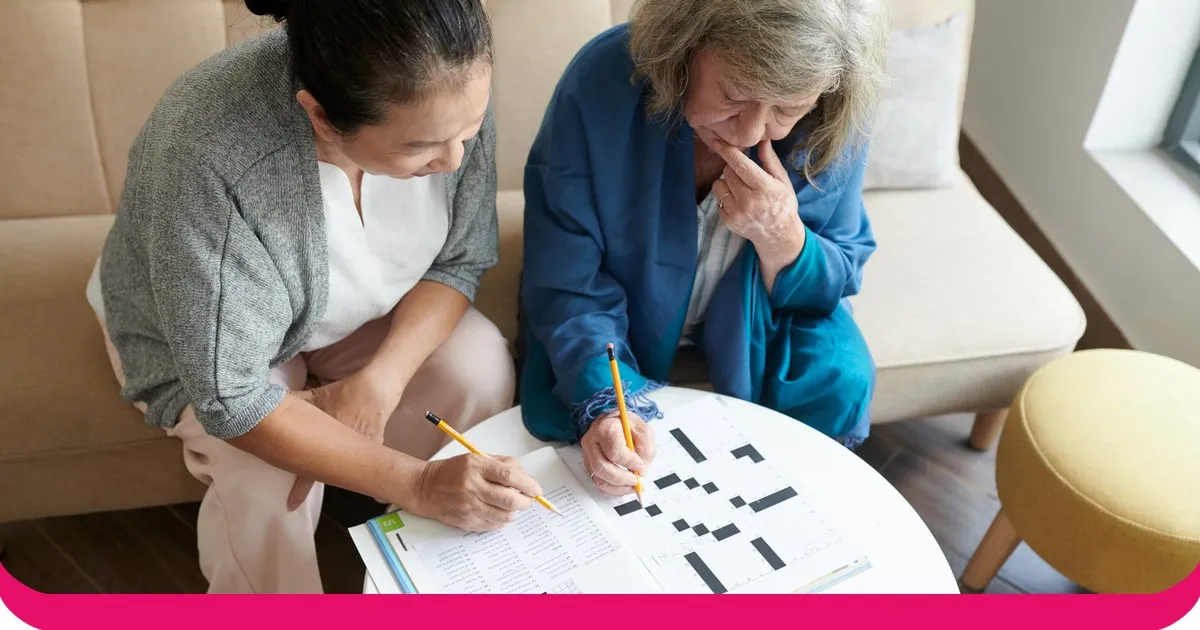
| 8. Crossword puzzles | Crosswords have stayed popular for generations. Each clue asks you to search your memory for a word that fits both the meaning and the letters you already have, which exercises vocabulary and recall. Most newspapers publish a daily crossword, and many are free online. | Many free online | Vocabulary and recall |
| 9. Jigsaw puzzles | Jigsaw puzzles work your visual and spatial memory. You hold the shape and colour of pieces in mind while scanning for where they fit, and remember which areas of the picture you have already tried. | Varies | Visual and spatial memory |
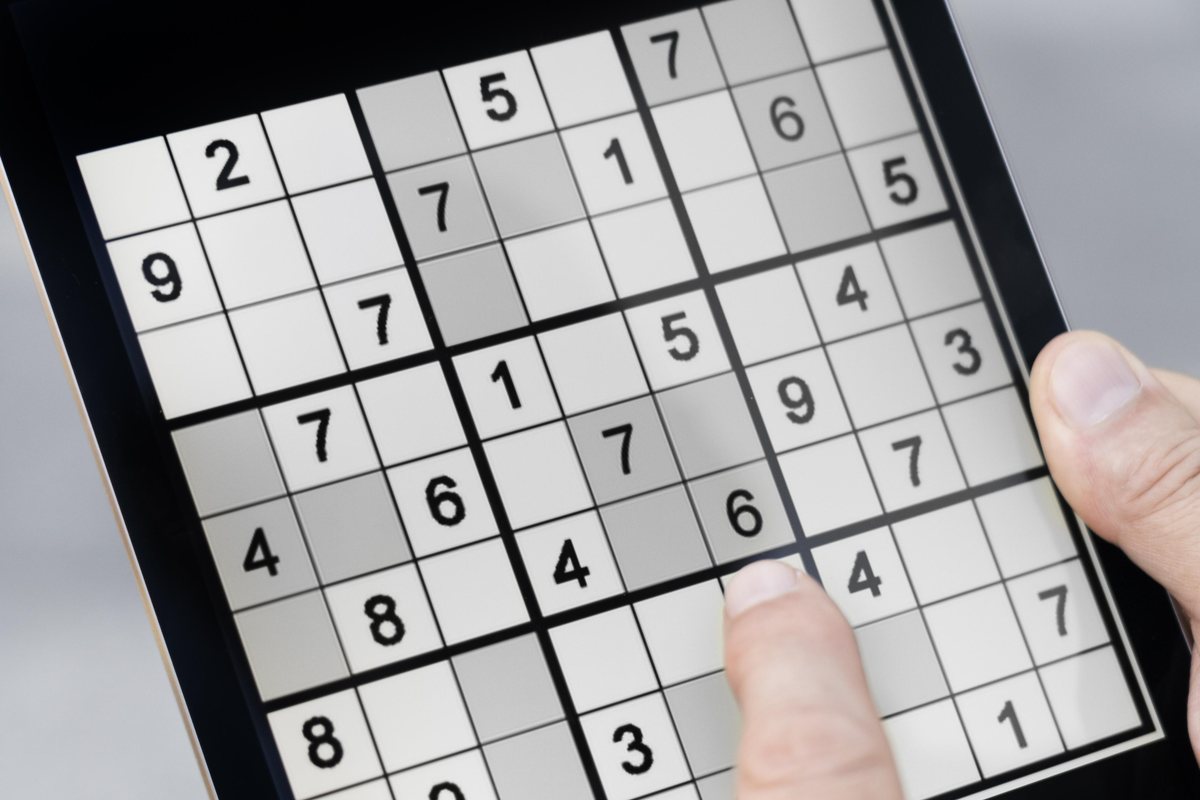
| 10. Sudoku | Sudoku asks you to fill a 9x9 grid so that every row, column and 3x3 box contains each digit from 1 to 9 exactly once. Keeping track of which numbers are still possible in each square is a steady workout for your working memory and logical thinking. | Varies | Working memory and logical thinking |
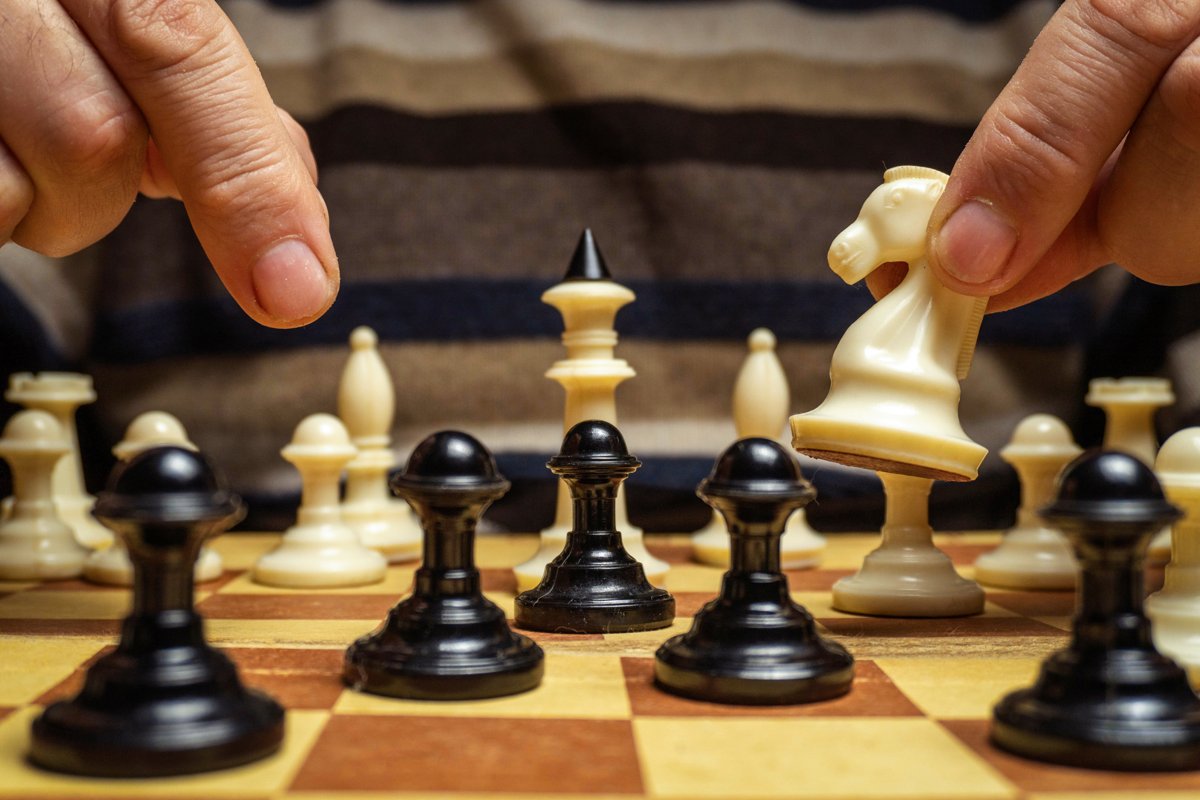
| 11. Chess and strategy board games | Chess asks you to remember openings, recognise familiar patterns on the board and hold several moves ahead in your mind. Other strategy games, from backgammon to card games like bridge, work in a similar way and add a social side that apps cannot match. | Varies | Recognising patterns and thinking several moves ahead |
| 12. Dr Kawashima's Brain Training for Nintendo Switch | Dr Kawashima's Brain Training for Nintendo Switch is part of Nintendo's long-running Brain Training series (known as Brain Age in North America). It mixes quick maths, reading and memory exercises, and a short daily check gives you a "brain age" score that makes it a fun way to track your progress. It has not been released in North America. | Paid | Quick maths, reading and memory exercises |
Our pick: Sudoku. One pencil and a few minutes are enough, and every square makes you hold possibilities in mind.
Round 3: memory training games for kids
These games need little more than a pack of cards, a few toys and some imagination. They work at home, in the classroom or on a rainy afternoon.
Set 1: five games to play
| Game | How to play | Best for |
|---|---|---|
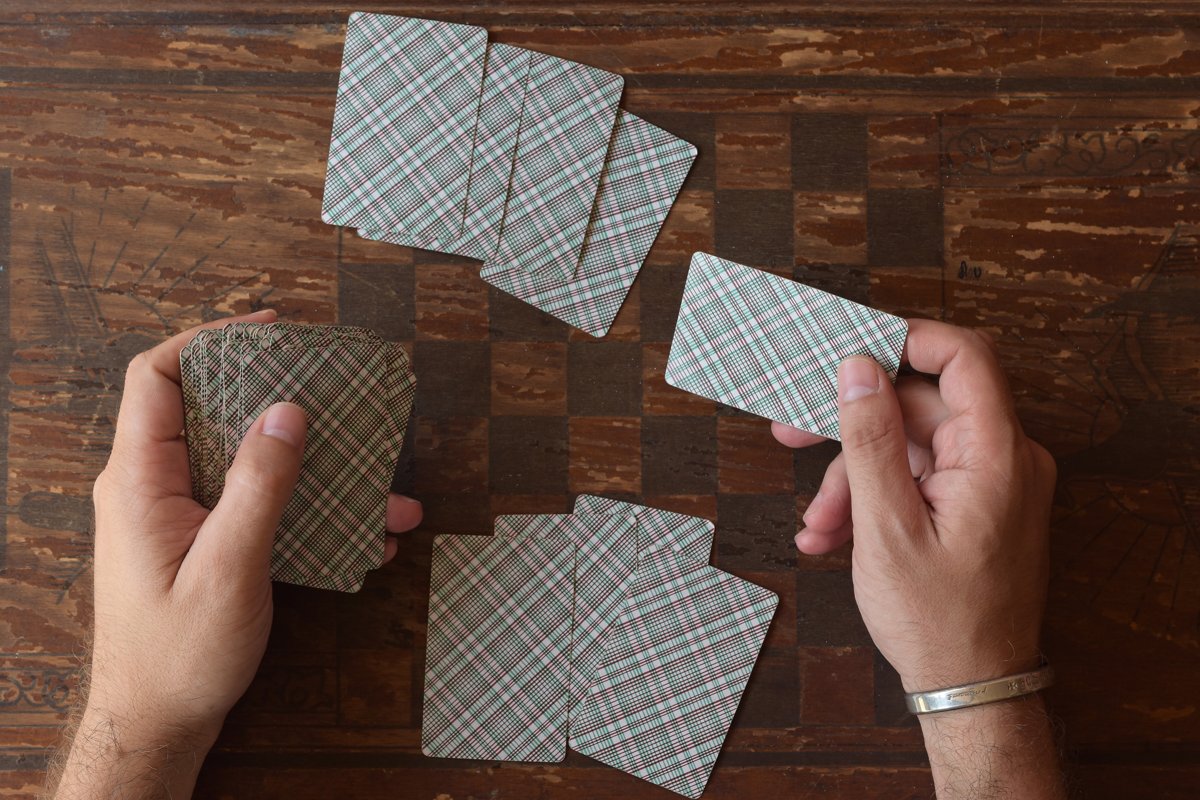
| 13. Memory card matching | Lay out pairs of picture cards face down. Children take turns flipping two cards at a time, trying to find a match. If the cards do not match, they are turned back over, so players must remember where each picture was. It builds visual memory and concentration. | Visual memory and concentration |
| 14. Simon says: memory edition | Play Simon says as usual, then add a memory twist: "Simon says touch your nose, then clap twice, then jump." Children must remember and repeat the whole sequence in order. Add one action each round to make it harder. This trains auditory and sequential memory. | Auditory and sequential memory |
| 15. Story building with objects | Place a few random objects in front of a child and let them look for 30 seconds. Then cover the objects and ask them to tell a short story that includes all of them. This combines creativity with associative memory. | Associative memory and creativity |
| 16. Kim's game (what's missing?) | Put a handful of small objects on a tray (eight to ten works well) and let children study them for a minute. Cover the tray, secretly remove one object, then uncover it and ask what is missing. Remove two objects at once as children get better. It builds visual memory and attention to detail. | Visual memory and attention to detail |
| 17. Colour and pattern memory | Build a short pattern with coloured blocks or beads. Let children study it, cover it, then ask them to recreate it from memory. Start with three or four pieces and add more as they improve. | Recreating a pattern from memory |
Our pick: Kim's game. It needs only a tray and a tea towel, and you can make it harder one object at a time.
Ways to host a memory quiz for a group
If you want a room of people to practise recall together, whether it is a class revising for a test, a team after a training session or friends on a quiz night, a live quiz does the job and adds a bit of friendly competition. Quizzing people on what they have learned is also a form of the self-testing the research supports.
With AhaSlides, you build the questions, everyone joins from their phones and answers in real time. These slide types suit memory games:
| Slide type | How to use it |
|---|---|
| Pick Answer | Show an image for ten seconds, hide it, then ask what was in the picture. |
| Type Answer | Read out a list of words, then ask players to type as many as they remember. |
| Word Cloud | Ask "what do you still remember from this morning's session?" and watch the most memorable ideas grow biggest. |
| Rating Scale | Ask how confident people feel about a topic before and after a round of recall questions. |
| Open Ended | Invite players to share their own memory tricks, then vote on the best. |
| Spinner Wheel | Spin to pick who answers the next recall question. |
A leaderboard after each round keeps everyone engaged and makes it easy to see who remembered the most.
Tips to make any memory game work harder
- Test yourself. Recalling information from memory strengthens it more than rereading it.
- Space it out. Short, regular sessions beat one long cram.
- Keep your expectations realistic. The 2016 review found very little evidence that game practice carries over to everyday thinking, so pair games with the strategies above.
- Play games you enjoy. You are more likely to stick with something that is fun.
Frequently asked questions
Do brain training games improve memory?
They improve your performance on the games you practise, but the wider benefit is unproven. Many people find them an enjoyable way to stay mentally active. A major 2016 review found very little evidence that the benefits carry over to everyday memory or thinking, so do not expect a game alone to transform your recall.
What games train your memory?
Popular choices include sudoku, crosswords, jigsaw puzzles, chess and apps such as Lumosity, Elevate and Peak. For children, memory card matching and pattern games are simple and effective.
How can I train my brain for memory?
Test yourself and space out your practice, which are the best-supported strategies. Two everyday habits help as well:
- Get enough sleep. See the NHS guide to sleeping better.
- Exercise regularly. The NHS has exercise guidance for every age.
For more ideas, see our memory games for adults, cognitive exercise games and brain break activities.