These 12 group games suit friends, colleagues and family, and run from sofa games to garden games to online games. Each of the three rounds ends with an Our pick, so you can choose fast.
Laughter is social. Psychologists Robert Provine and Kenneth Fischer found that laughing and smiling happen mostly in company rather than alone (Provine and Fischer, 1989), so a shared game is a good fit for a party.
| Game | How it plays | Best for |
|---|---|---|
| 1. Two truths and a lie | Each player says two truths and a lie, and the group spots the lie | New groups of about 10 to 15 |
| 2. Truth or dare | Answer a question honestly or take on a dare | Lively rooms, with a light penalty for skips |
| 3. Would you rather | Ask a would you rather question and watch the reaction | Getting the room talking |
| 4. Most likely to | Everyone points at who is most likely to do something | Finding out what others think of you |
| 5. Charades | Act out a keyword with gestures only | Teams who like a laugh |
| 6. Tug of war | Two teams pull a rope until the marker crosses a line | Groups of 8 or more, outdoors |
| 7. Water balloon catch | Pairs catch a water balloon in a towel | Pairs who do not mind getting wet |
| 8. Cup stack relay | Teams race to stack and unstack a pyramid of cups | A quick race with only cups |
| 9. Sack race | Hop about 15 metres to the finish in a sack | A garden, park or beach |
| 10. Name the song quiz | Listen to a melody and guess the title | Friends in different places |
| 11. Zoom Pictionary | One player draws on Zoom's whiteboard, the rest guess in the chat | Video calls |
| 12. Spinner wheel | Spin to pick who chooses the next game, tells a story or takes a dare | Choosing the next player at random |
Round 1: indoor group games (5 games)
Five games that need little more than a sofa and a few friends.
1. Two truths and a lie
- Players: about 10 to 15, or teams for bigger groups
- You need: nothing
- Best for: new groups
An easy icebreaker with no materials. It helps new people get to know each other and lets old friends learn something new.
How to play
- 1Each player states two truths and one lie about themselves.
- 2The group guesses which statement is the lie.
- 3Score points for correct guesses, or play just for fun.
2. Truth or dare
- You need: a question or a dare
- Best for: lively rooms, with a light penalty for skips
Players choose between answering a question honestly (truth) or performing a task (dare), such as dancing with no music for a minute. Players may skip a dare and take a light penalty instead.
For ready-made prompts, try these 110 truth or dare questions.
3. Would you rather
- Best for: getting the room talking
Players take turns asking would you rather questions and watch how the respondent reacts. The choices tend to get the room talking.
Example prompts
- Would you rather be invisible or be able to control the minds of others?
- Would you rather always arrive an hour early or always arrive ten minutes late?
- Would you rather have a pause button or a rewind button for your life?
Need more? Here are 100 funny would you rather questions.
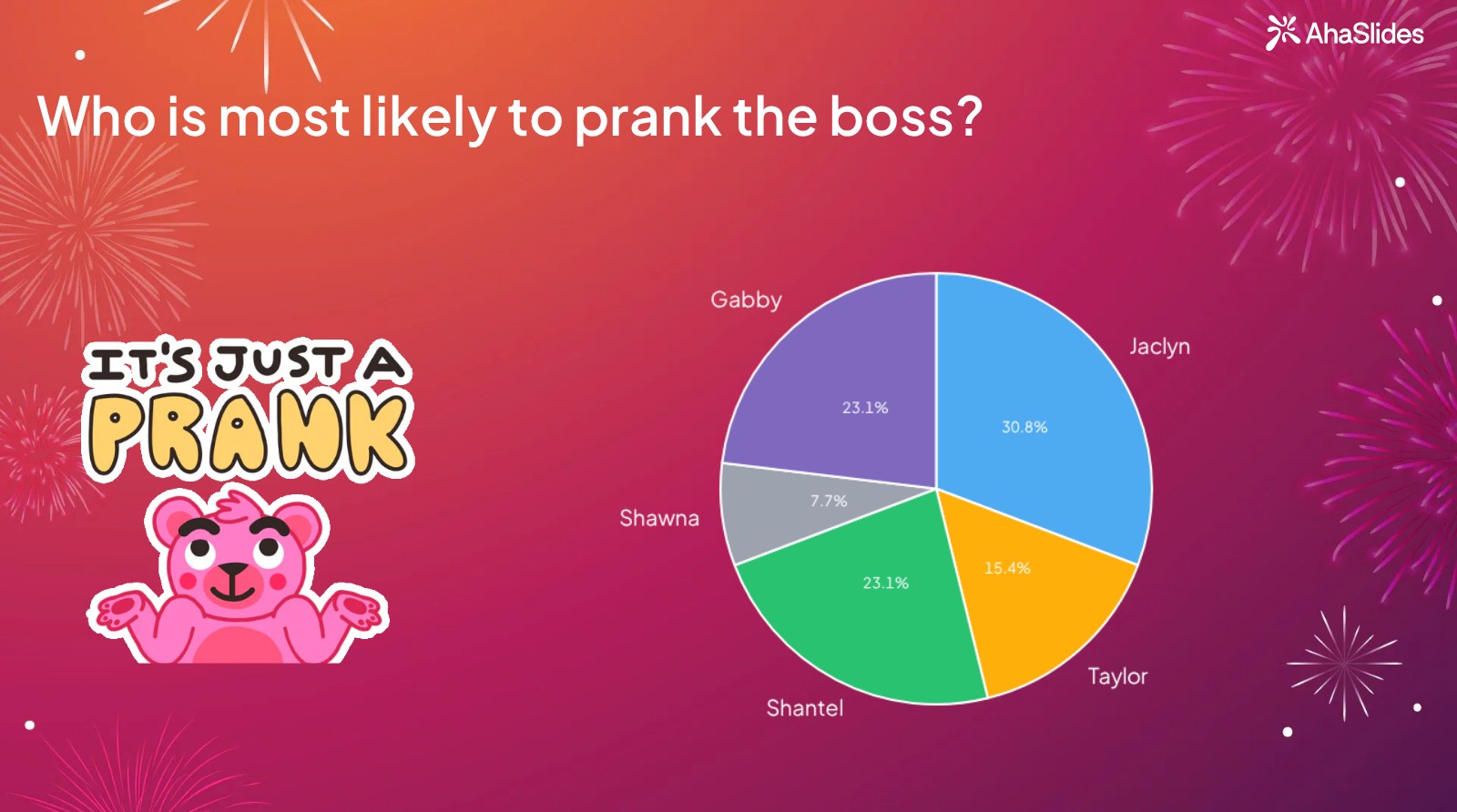
4. Most likely to
- Best for: finding out what others think of you
One person asks who in the group is most likely to do something, then everyone points at their pick. Whoever gets the most points takes a bow, or a silly forfeit.
Friendly prompts
- Who is most likely to get married first?
- Who is most likely to snore while sleeping?
- Who is most likely to forget where they parked their car?
- Who is most likely to laugh during a serious speech?
5. Charades
- Players: teams
- You need: paper slips and a box
- Best for: teams who like a laugh
A classic that gets people laughing.
How to play
- 1Write keywords on pieces of paper and put them in a box. One player from each team picks a sheet.
- 2That player stands a couple of metres from their team and acts out the keyword with movement and gestures only.
- 3The team that guesses more keywords correctly wins.
Our pick: Two truths and a lie. It needs no props, suits most age groups and sparks great follow-up stories.

Round 2: outdoor and active group games (4 games)
Four active games for gardens, parks and beaches.
6. Tug of war
- Players: around four to eight per side
- You need: a long, soft rope, a coloured cloth and a referee
- Best for: groups of 8 or more, outdoors
A classic for outdoor play. A round is short, so many groups play best of three.
How to play
- 1Draw a line to mark the boundary between the two teams, and tie a coloured cloth in the middle of the rope as the marker.
- 2A referee stands at the line to signal the start and watch both teams.
- 3Both teams pull with all their strength. The team that drags the marker over its side wins.
7. Water balloon catch
- Players: pairs
- You need: water balloons and towels
- Best for: pairs who do not mind getting wet
A wet twist on a catching game. Players pair up and use water-filled balloons instead of balls.
How to play
- 1Each pair uses a towel to catch the water balloon.
- 2The pair that fails to catch it and lets it break loses the point.
8. Cup stack relay
- Players: two teams
- You need: plastic cups
- Best for: a quick race with only cups
Two teams race to stack a pyramid of plastic cups and then take it back down. It needs nothing but cups and room to move.
How to play
- 1Each team builds a pyramid of plastic cups.
- 2Take it back down again.
- 3The first team to finish wins.
9. Sack race
- You need: a sack each (a pillowcase or bin bag works too)
- Distance: about 15 metres
- Best for: a garden, park or beach
Everyone hops from the start line to the finish line with their legs inside a sack, and the first across wins.
How to play
- 1Mark a start line and a finish line about 15 metres apart.
- 2Each player steps into a sack and holds it up at the waist.
- 3On the word go, hop to the finish. A player who falls can get up and carry on.
Our pick: Tug of war. It scales up easily for bigger groups, needs only a rope and gives everyone a role.
Round 3: virtual group games (3 games)
Three games for teams and friends who are not in the same room.
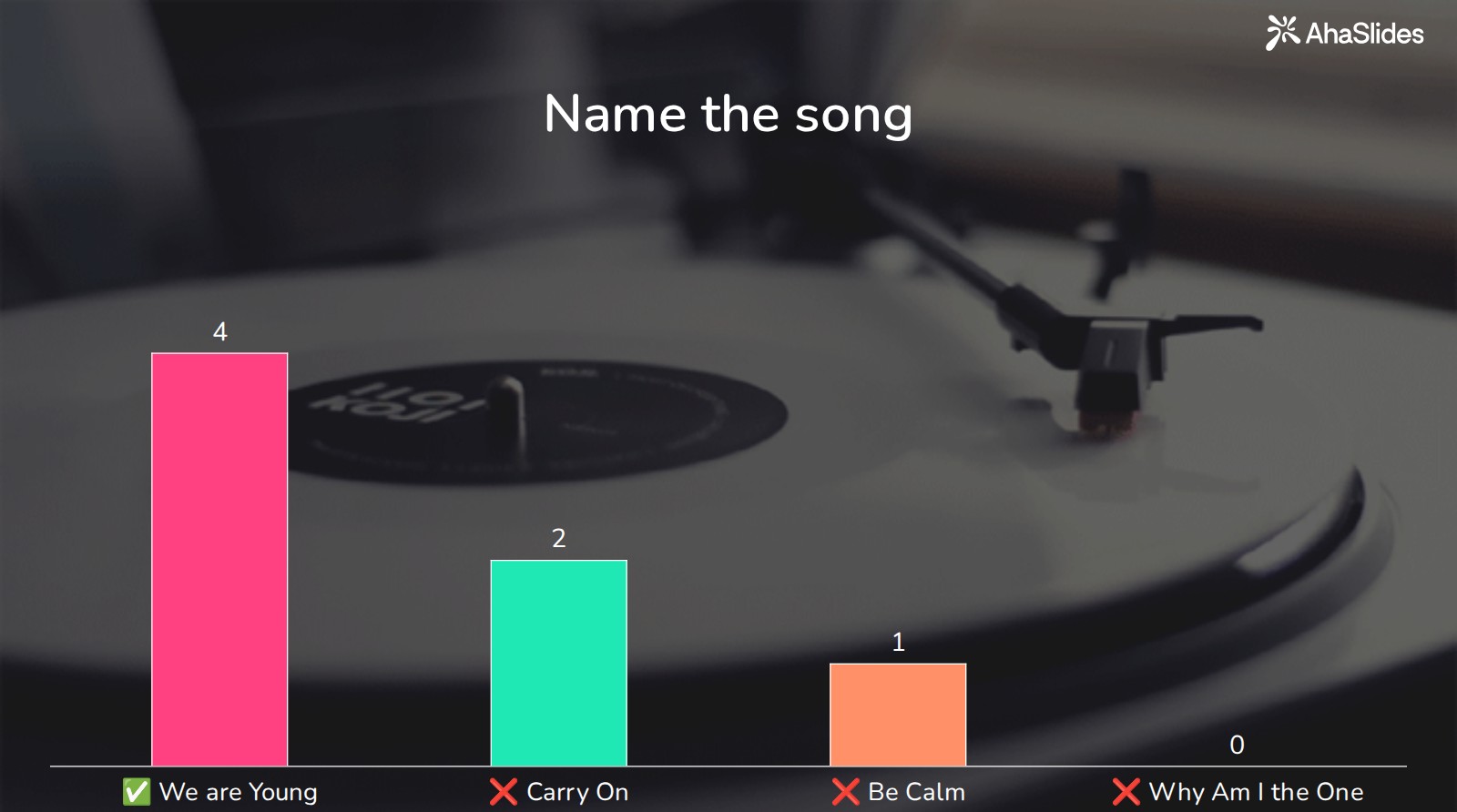
10. Name the song quiz
- Best for: friends in different places
With the Name the Song quiz, friends in different places can connect over melodies, from classic songs to recent hits.
How to play
- 1Players listen to the melody and guess the title.
- 2Whoever guesses the most songs in the shortest time wins.
11. Zoom Pictionary
- Best for: video calls
Still Pictionary, but played on Zoom's whiteboard, and a lot of fun with unusual keywords. Here is the full guide: how to play Pictionary on Zoom.
How to play
- 1One player draws a keyword on the shared whiteboard (the host needs to let others draw).
- 2Everyone else types guesses in the chat.
- 3The first correct guess scores a point and picks the next drawer.
12. Spinner wheel
- Best for: choosing the next player at random
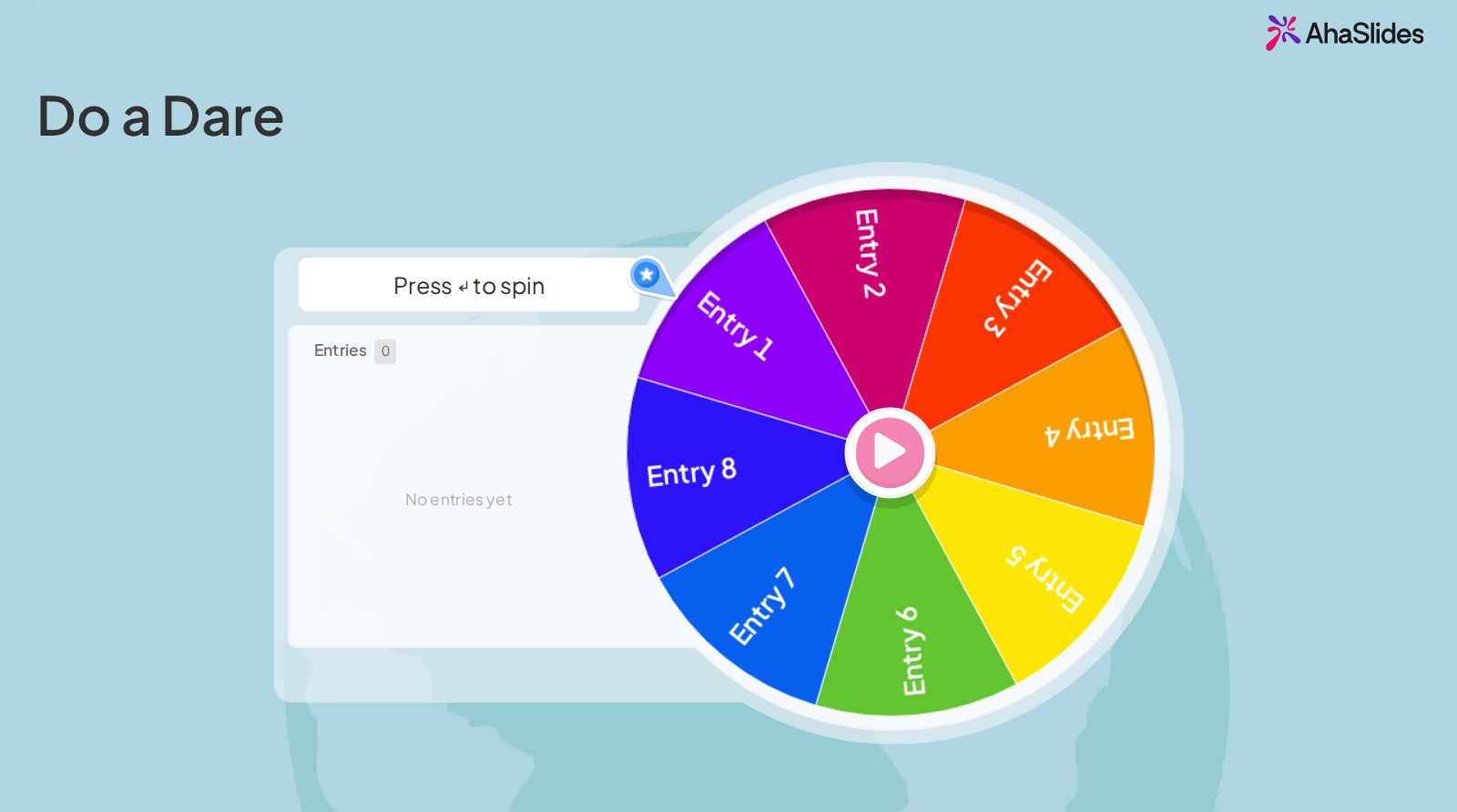
A game of chance: enter the names of the players on the spinner wheel, press the button and see whose name it lands on. That person picks the next game, tells a story or takes a dare.
For more ideas, see these spinner wheel game ideas.
Our pick: Name the song quiz. It runs from a ready-made template and keeps everyone competing as scores update live. More online ideas: 41 Zoom games.

Tips for running party games
- Play together. Laughter and smiling mostly happen in company, so pick games that put everyone in the action, not just two players.
- Keep rounds short. We suggest 10 to 20 minutes per game, so you can switch before anyone gets bored.
- Pick one game from each round. Mix a talking game, an active game and a quick quiz to keep the energy up.
- Keep the prompts friendly. Let players skip a dare and take a light penalty instead.
Ways to host these games for a group
Run them from one AhaSlides presentation, in the room or over a video call:
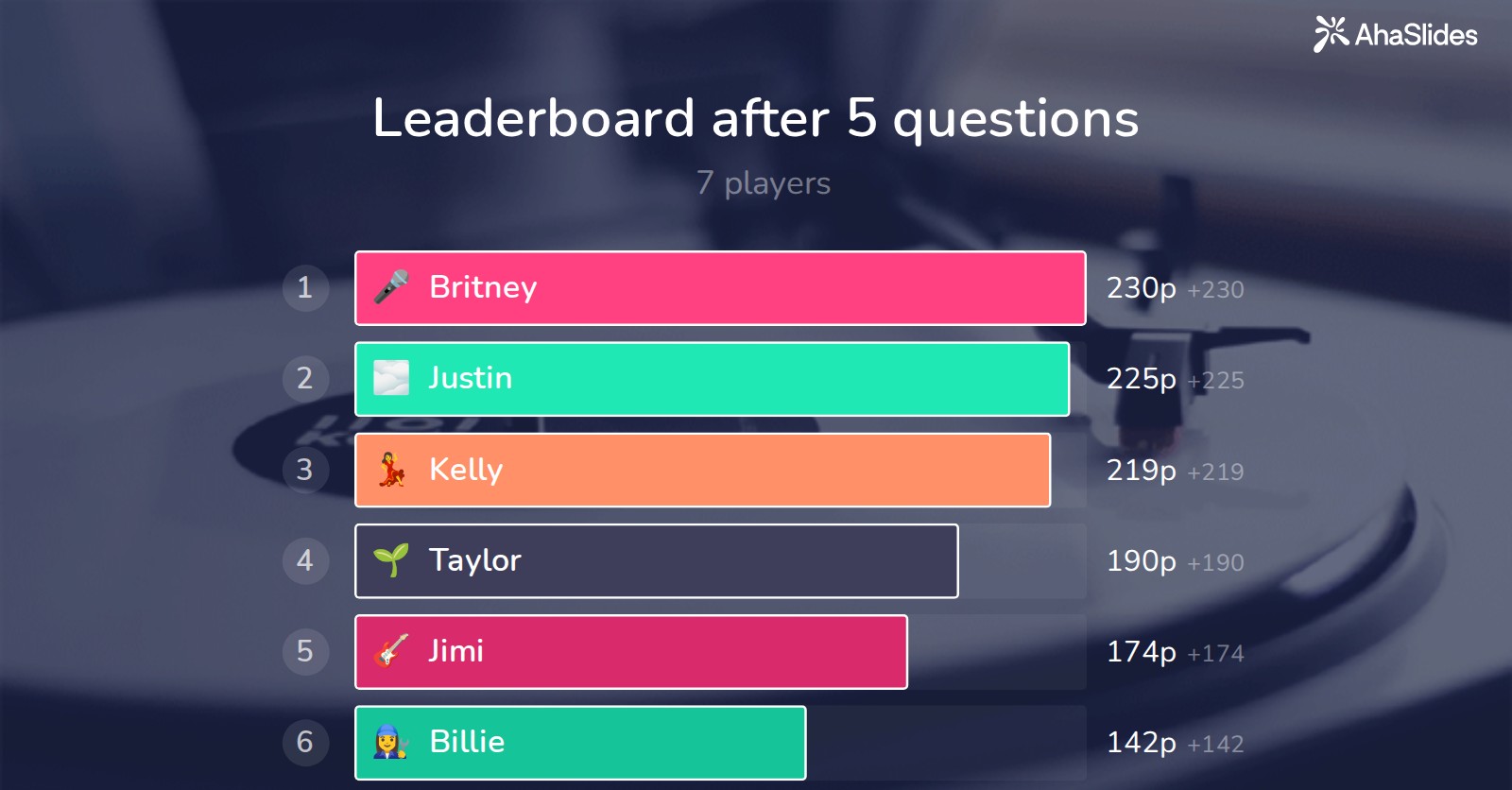
- Pick Answer: turn the song quiz or any trivia round into a live quiz with a leaderboard.
- Word Cloud: collect charades keywords or dare ideas from everyone at once.
- Spinner Wheel: choose the next player, game or forfeit at random.
- Brainstorm: let guests submit their own would you rather questions and vote on the best.
Host your next party game on AhaSlides, free for up to 50 players.
Frequently asked questions
How many people do you need for group games?
Most of these suit 4 to 16 people. Two truths and a lie works best with about 10 to 15, and tug of war needs about 8 or more. For bigger crowds, split everyone into teams.
What are the best group games for adults?
Two truths and a lie, charades and the name the song quiz work well for mixed adult groups. They need no props, little preparation and suit most age groups.
What group games can we play online?
Name the song quiz and Zoom Pictionary are built for video calls, and indoor games such as would you rather also work well on a call. Add a live poll or quiz and everyone can join from their phone.
How long should a party game last?
Aim for 10 to 20 minutes per game. Short rounds keep energy high and let you switch games before anyone gets bored.
Make your next party memorable
Pick one game from each round, keep the prompts friendly and play together. Shared laughter is the whole point.
Source
Provine, R. R., & Fischer, K. R. (1989). Laughing, smiling, and talking: Relation to sleeping and social context in humans. Ethology, 83, 295-305.